Pretoria Armour Regiment Photo Album of Cpl. Julius Fisher


Dublin Core
Title
Pretoria Armour Regiment Photo Album of Cpl. Julius Fisher
Subject
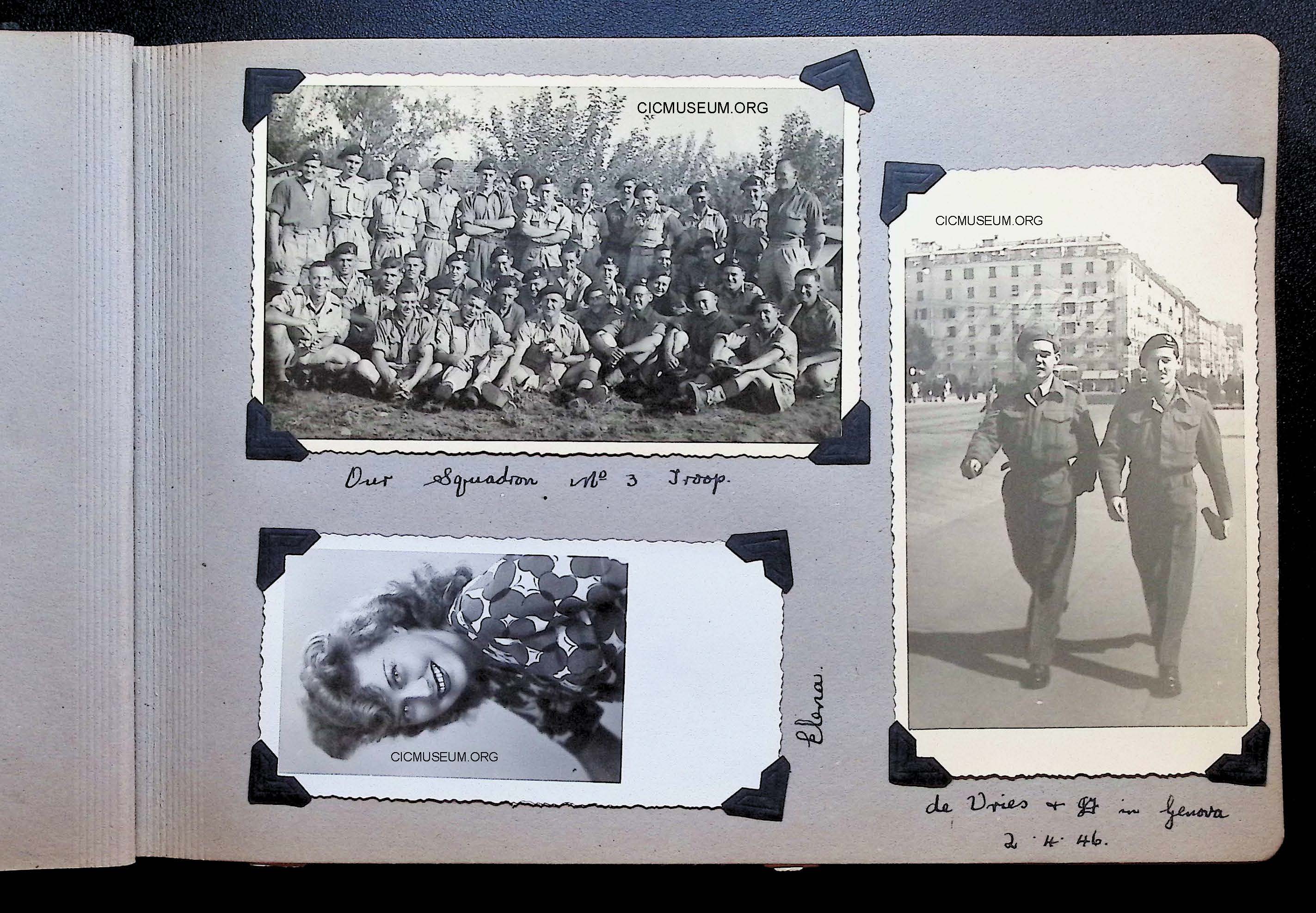
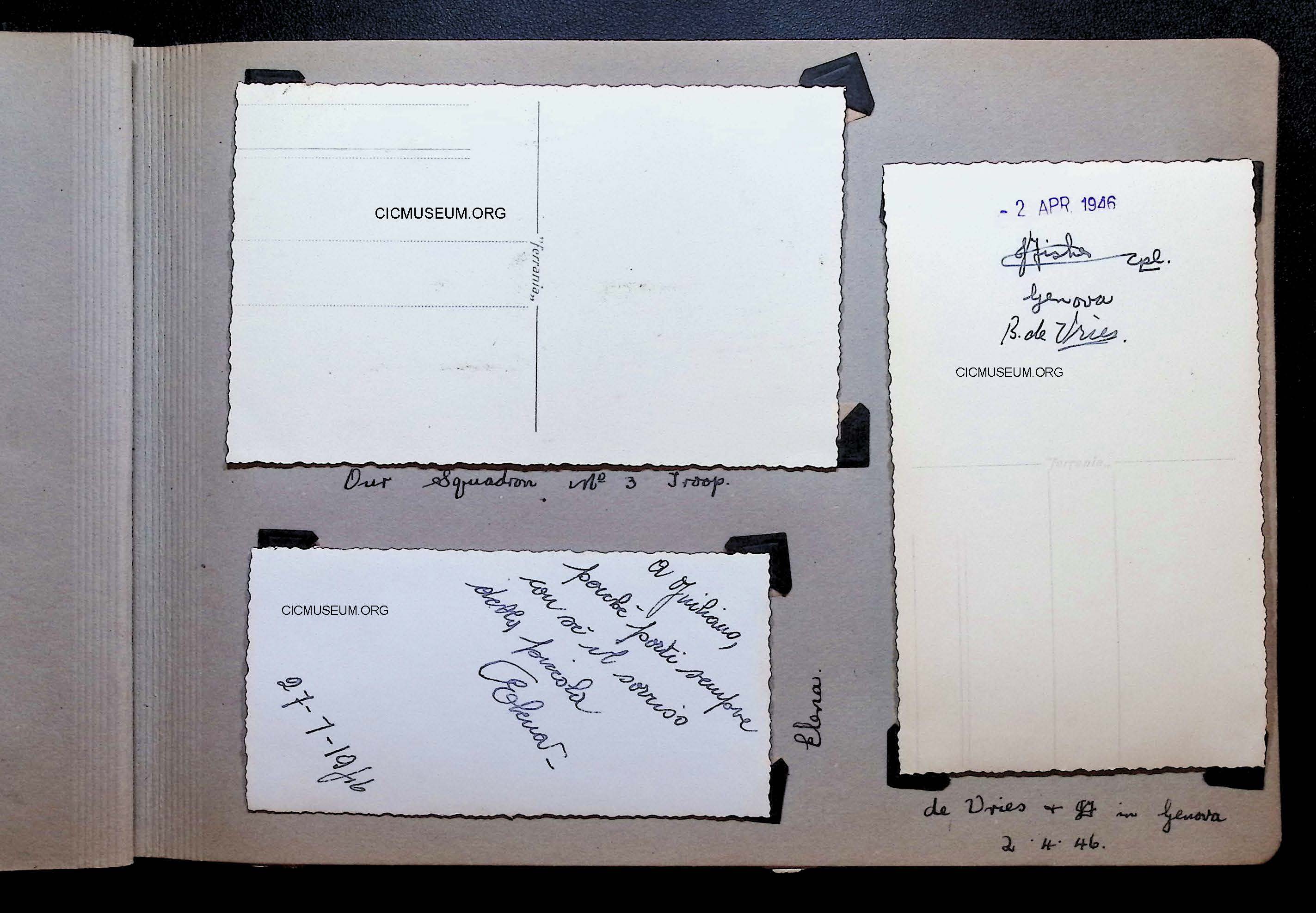
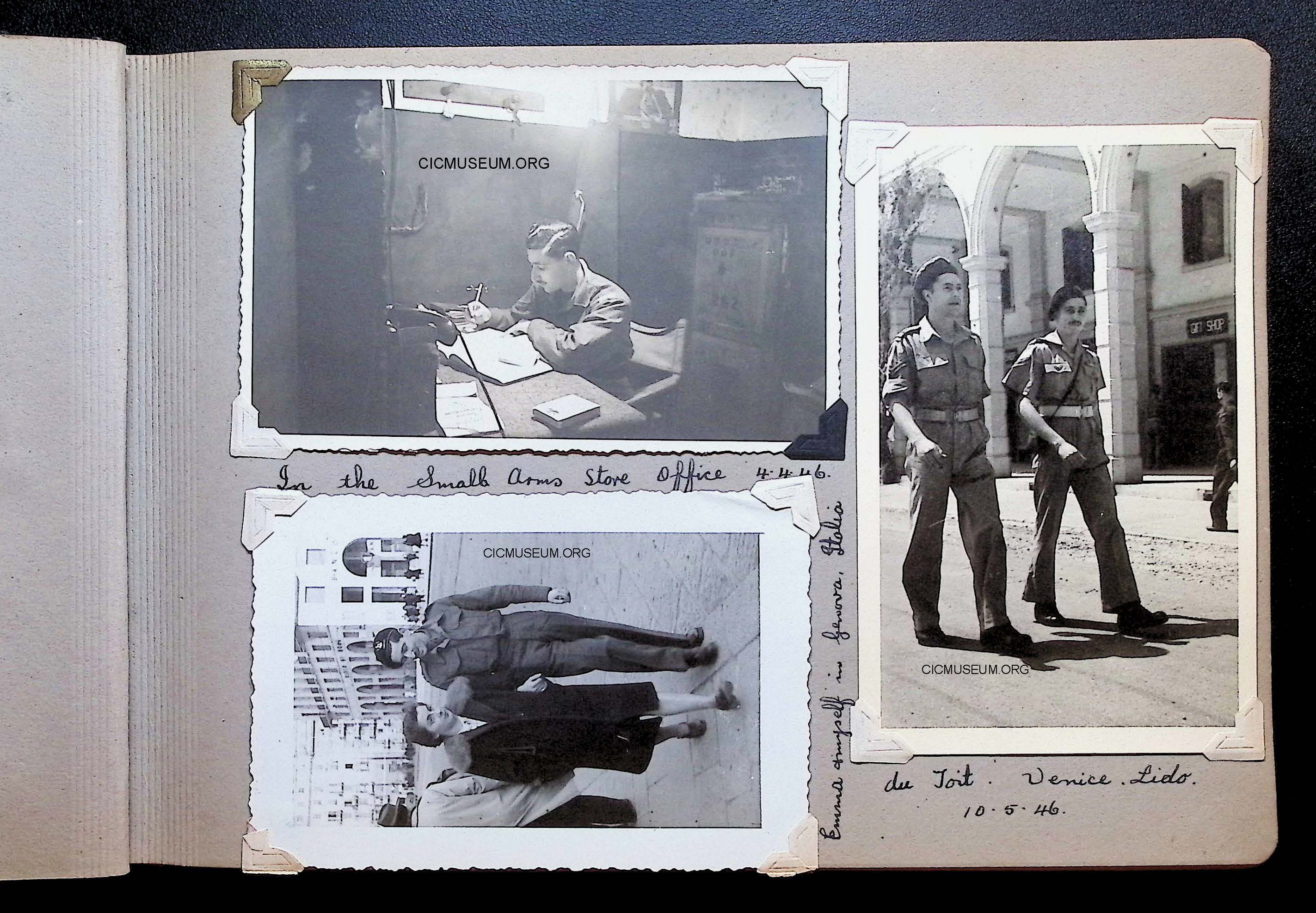
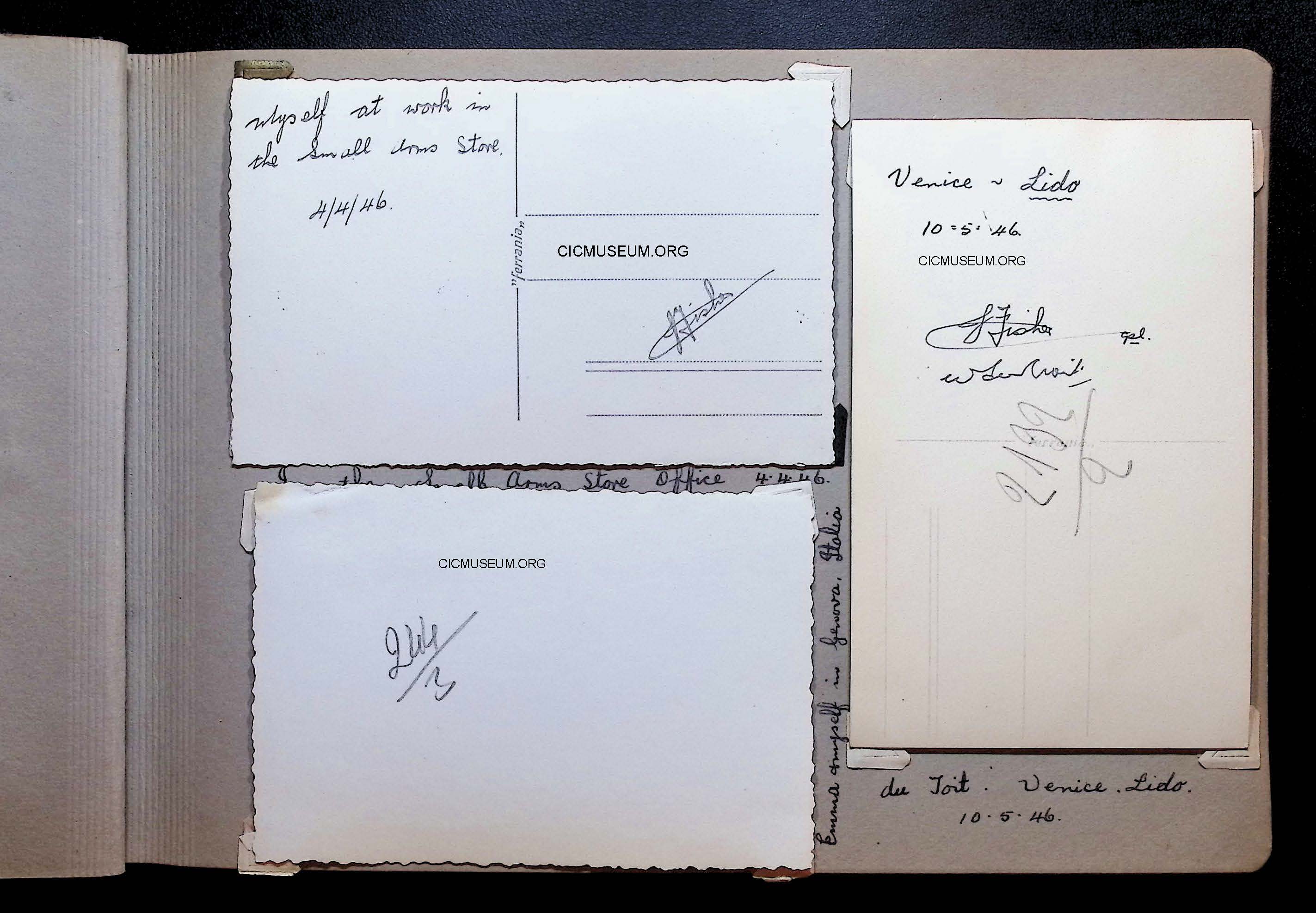
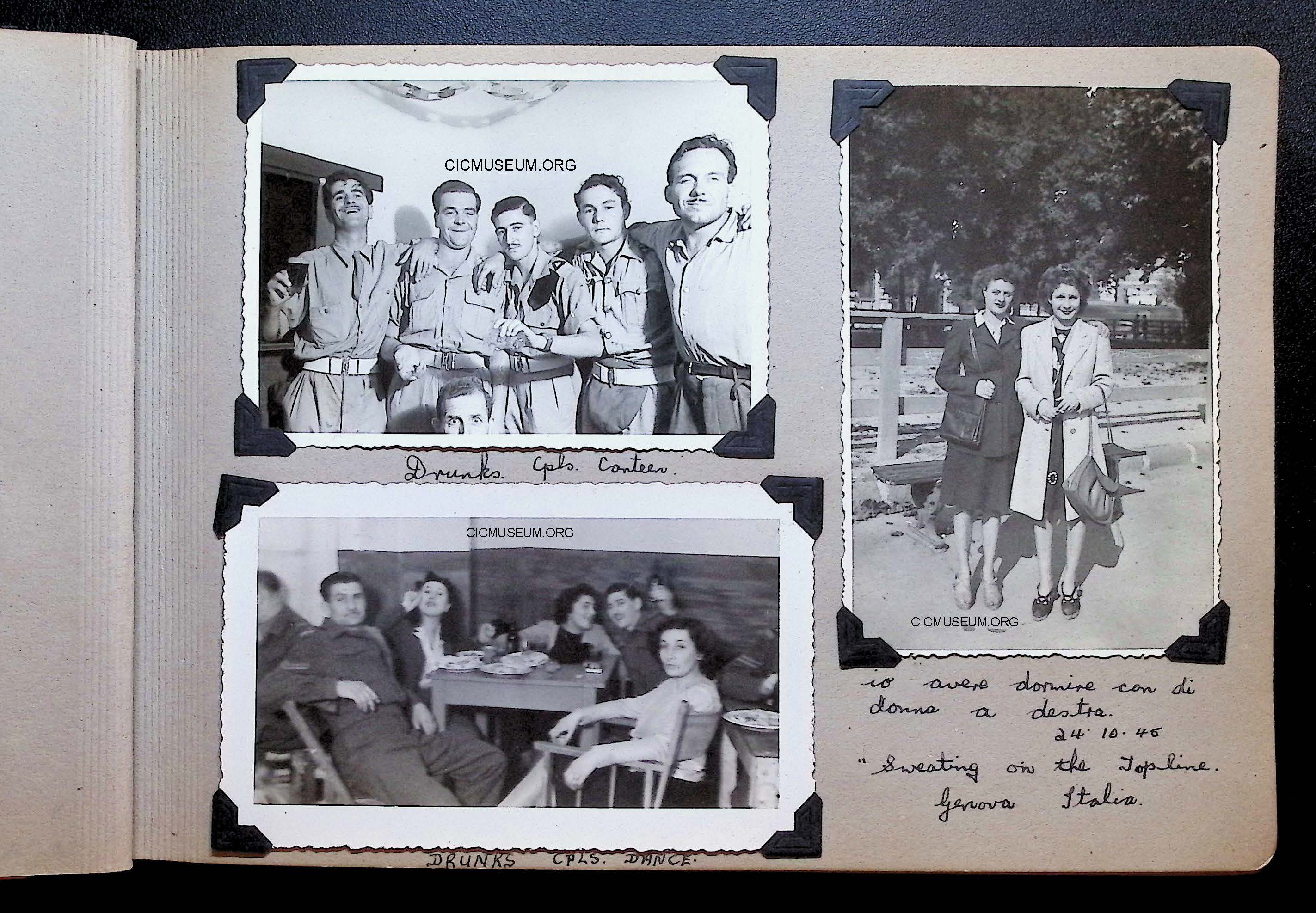
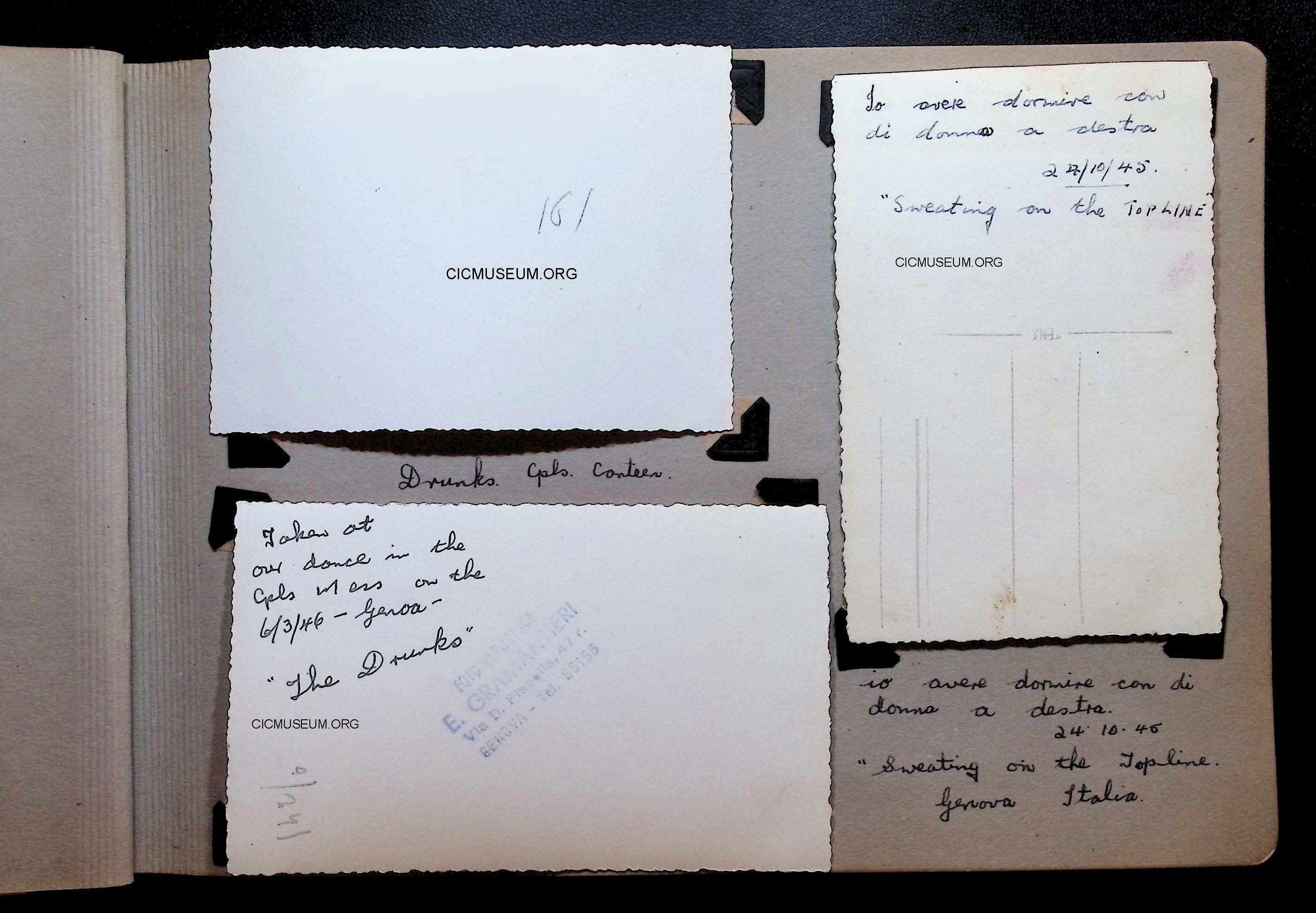
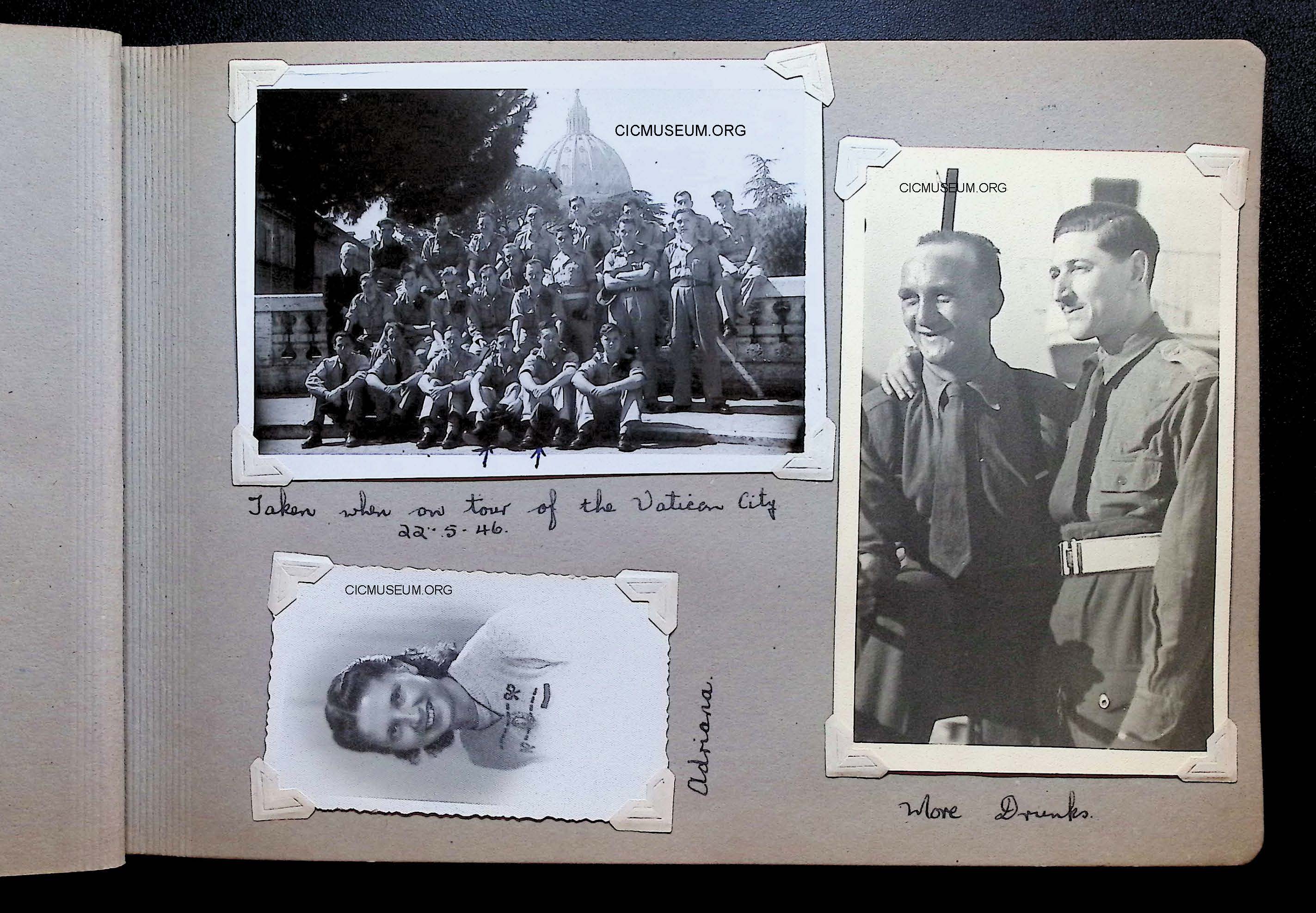
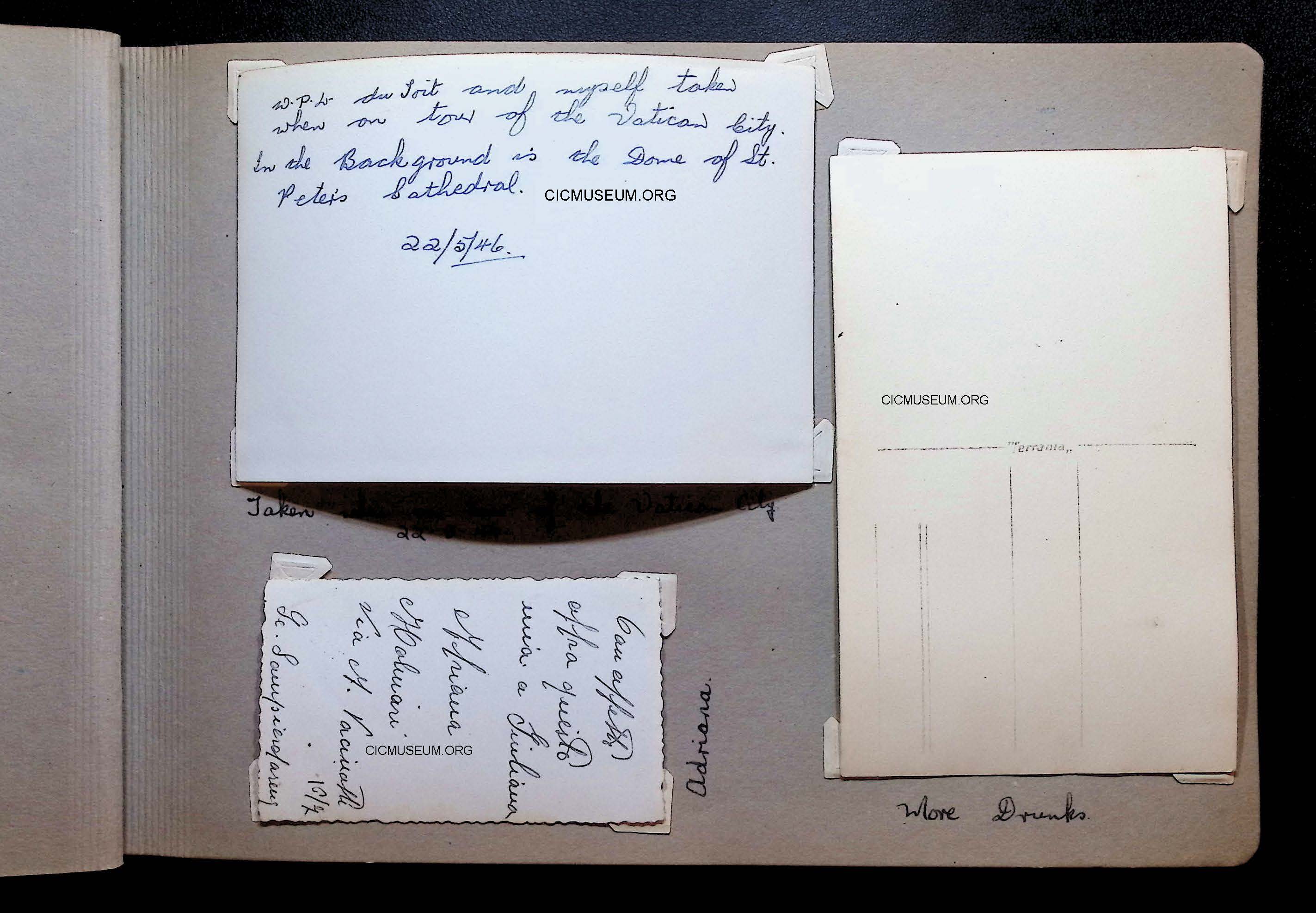
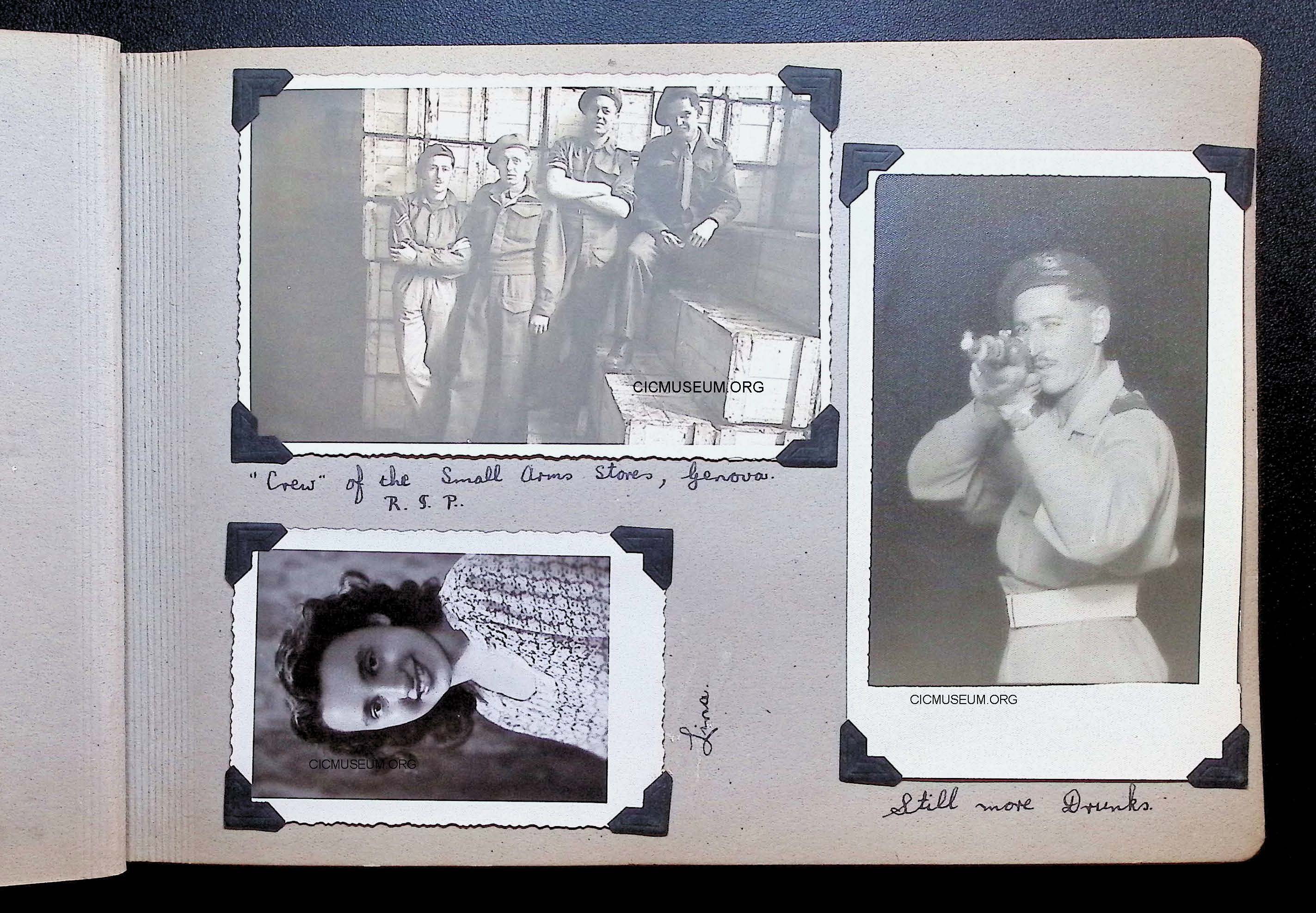
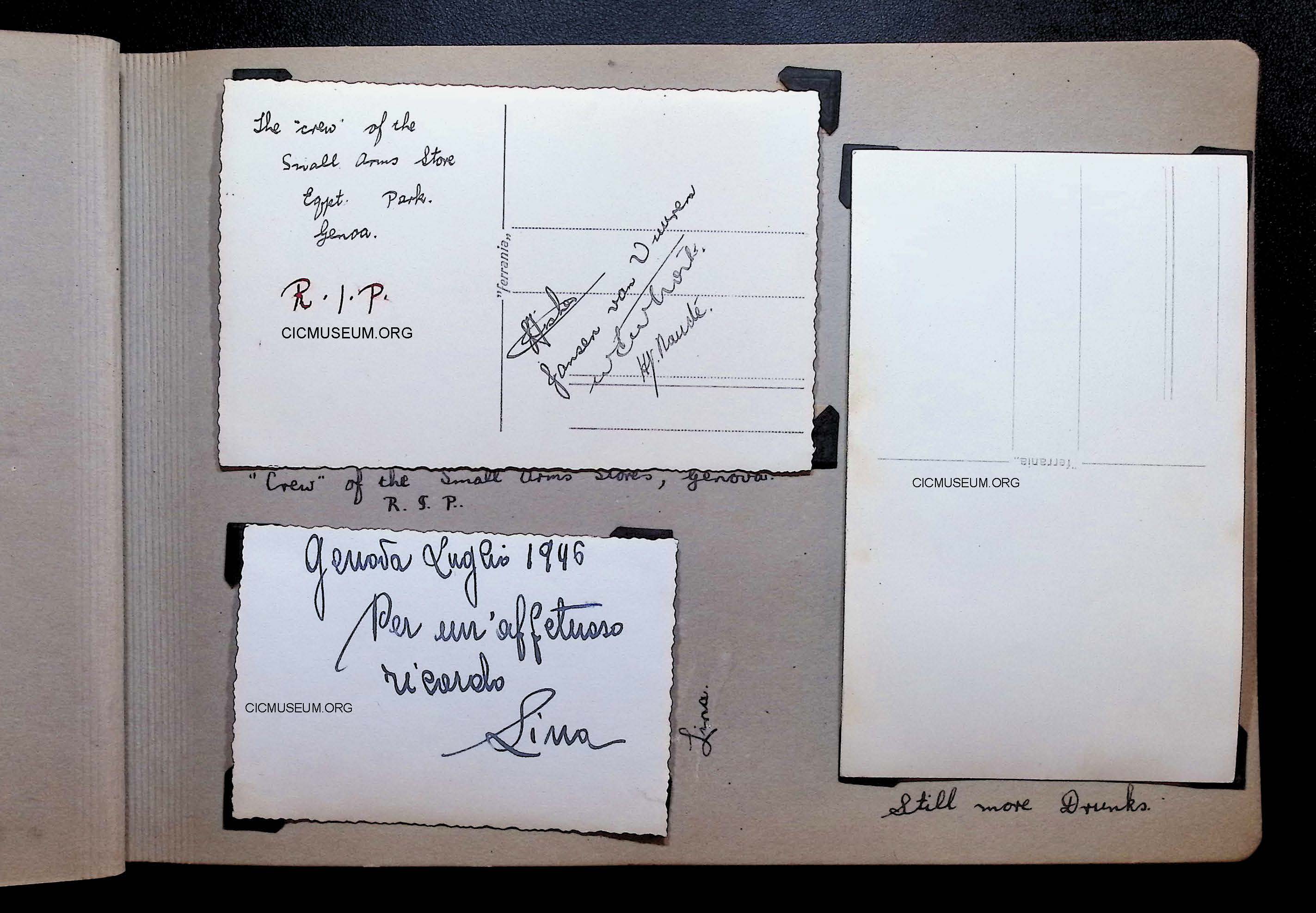
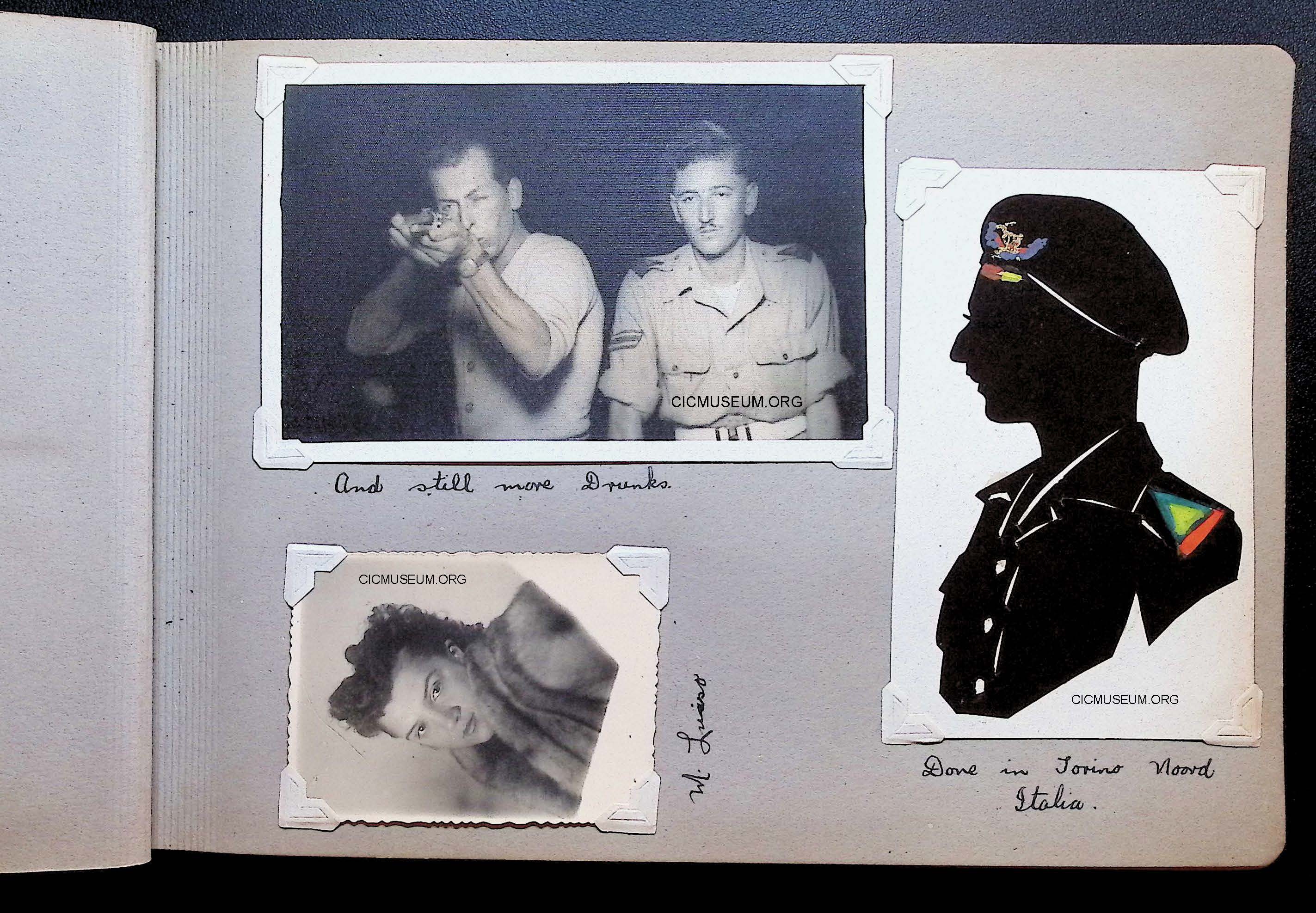
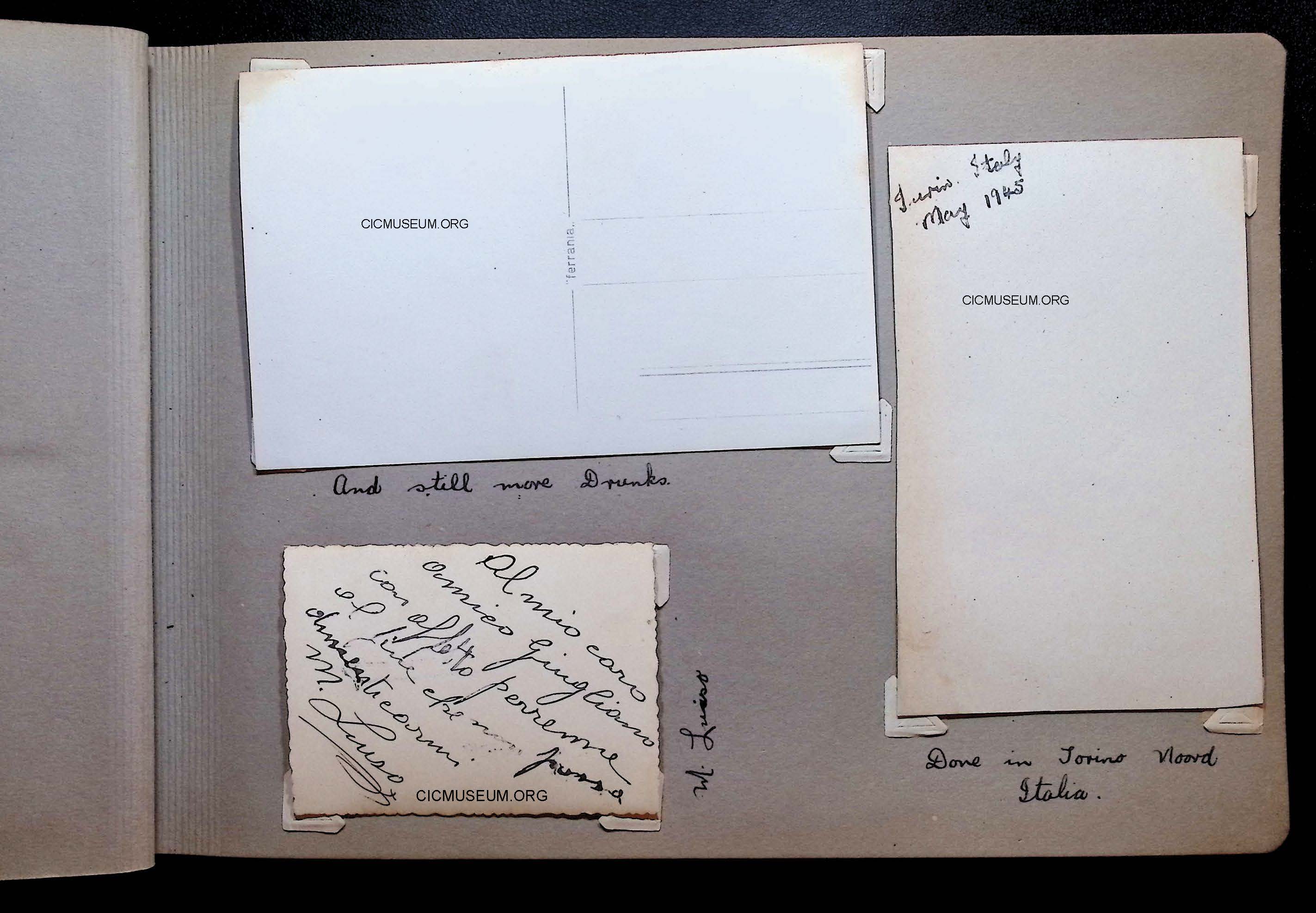
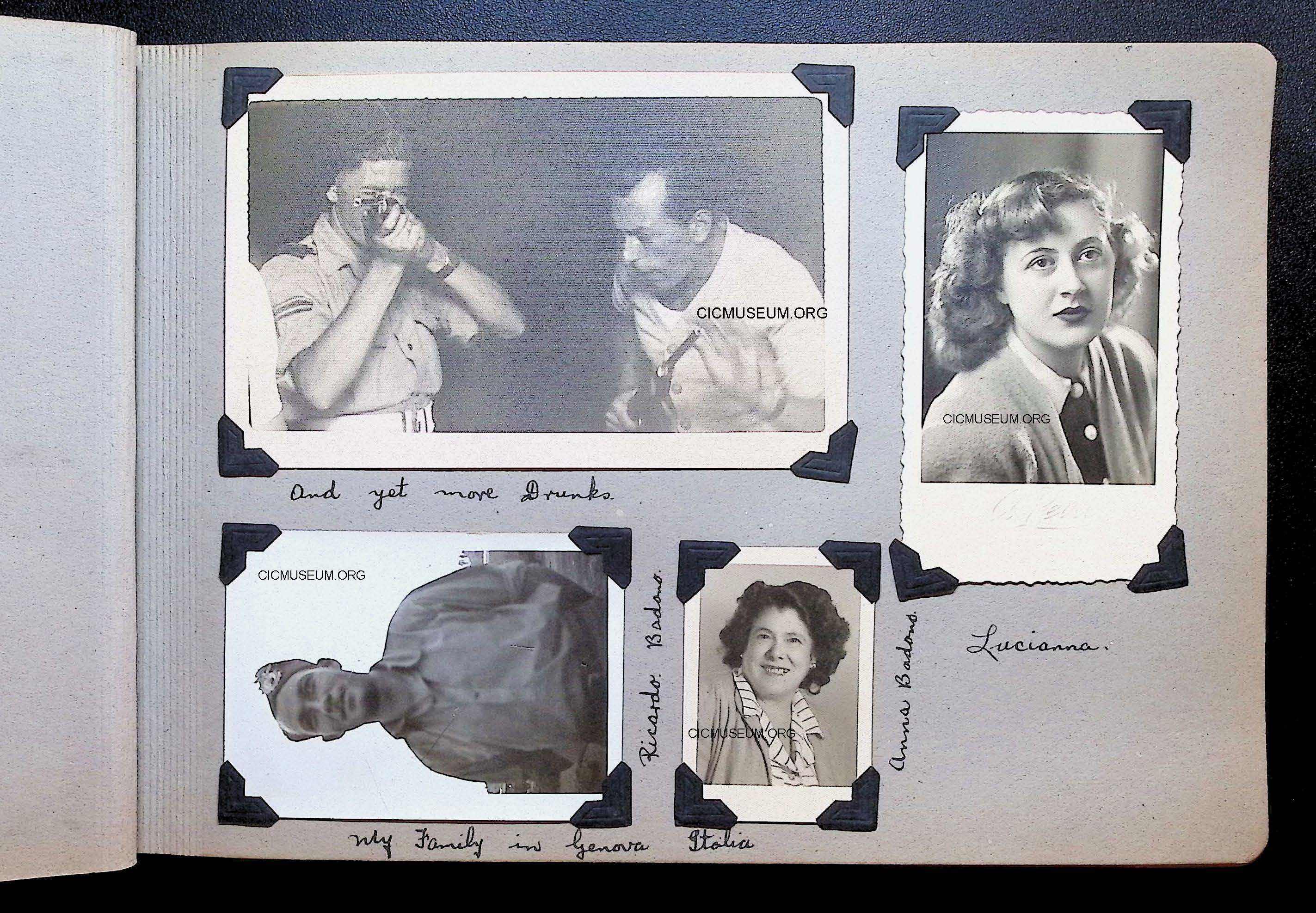
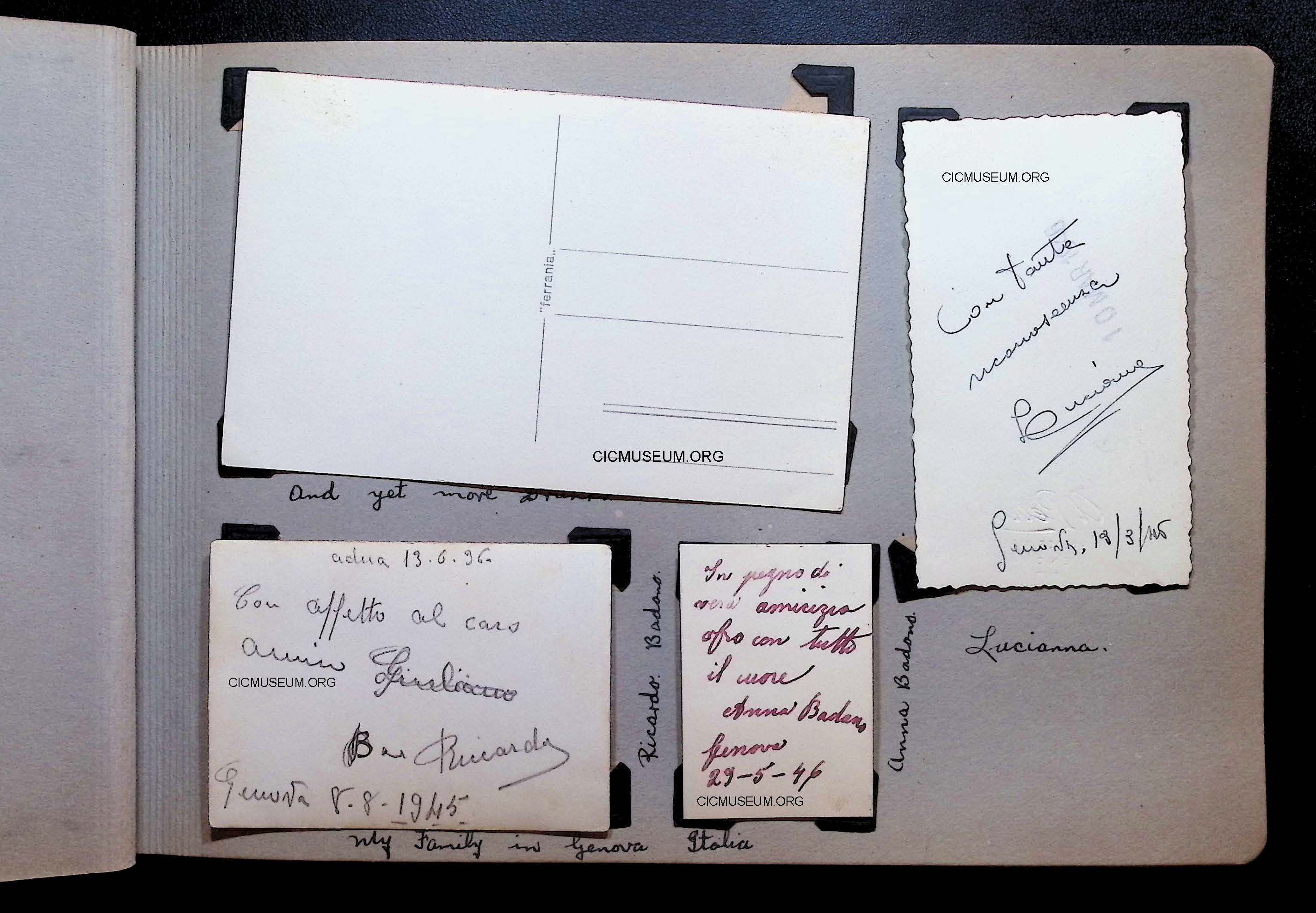
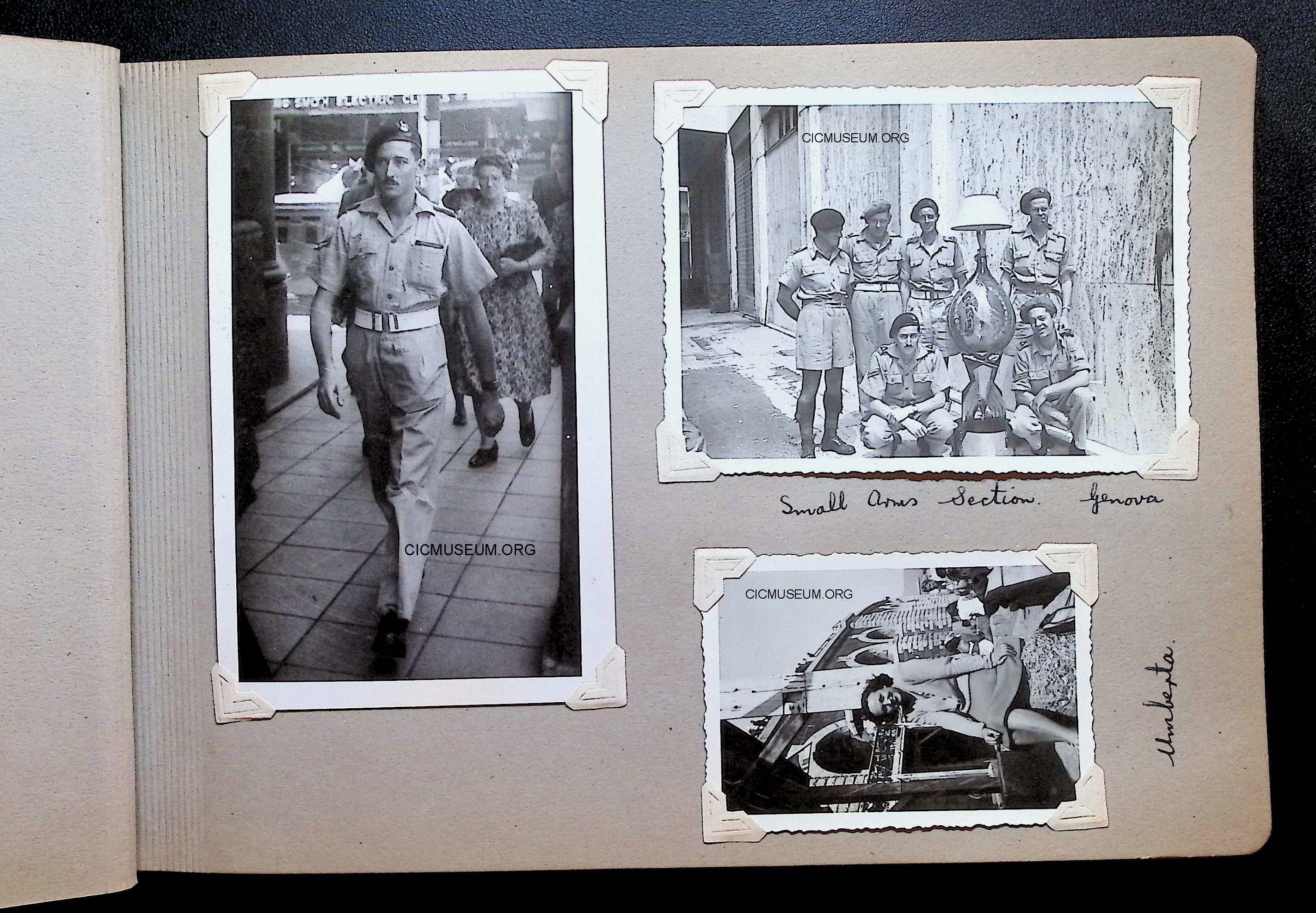
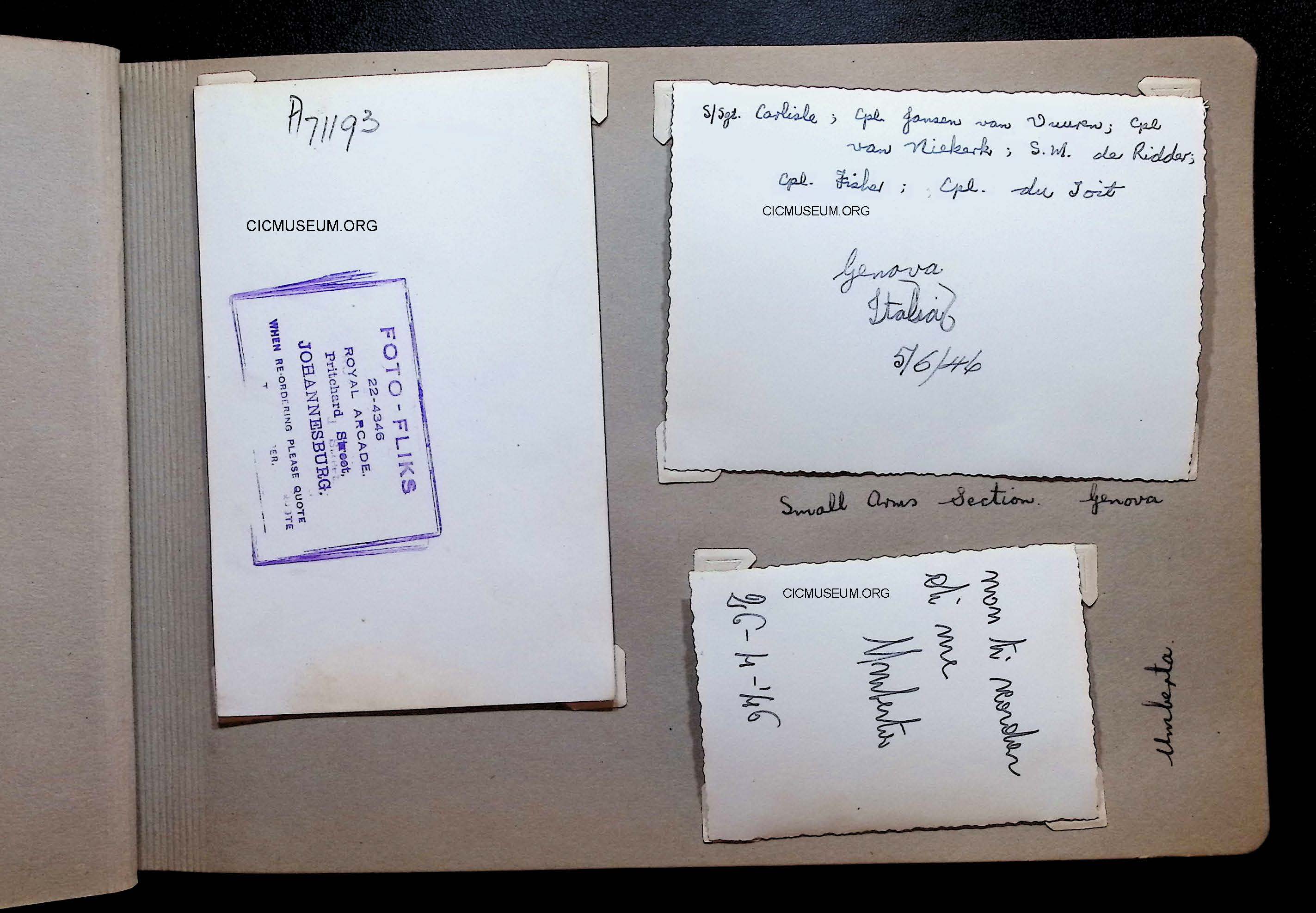
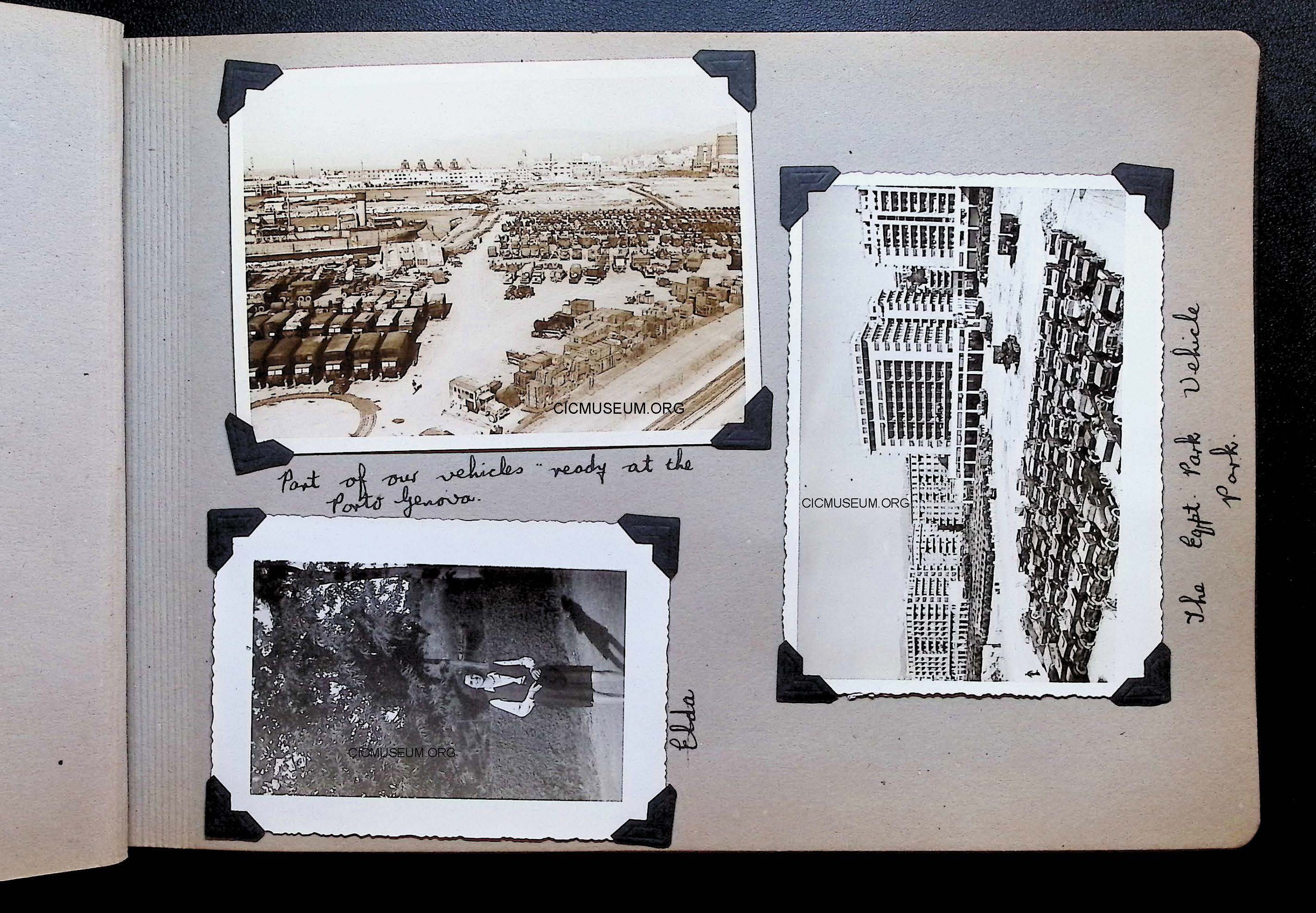
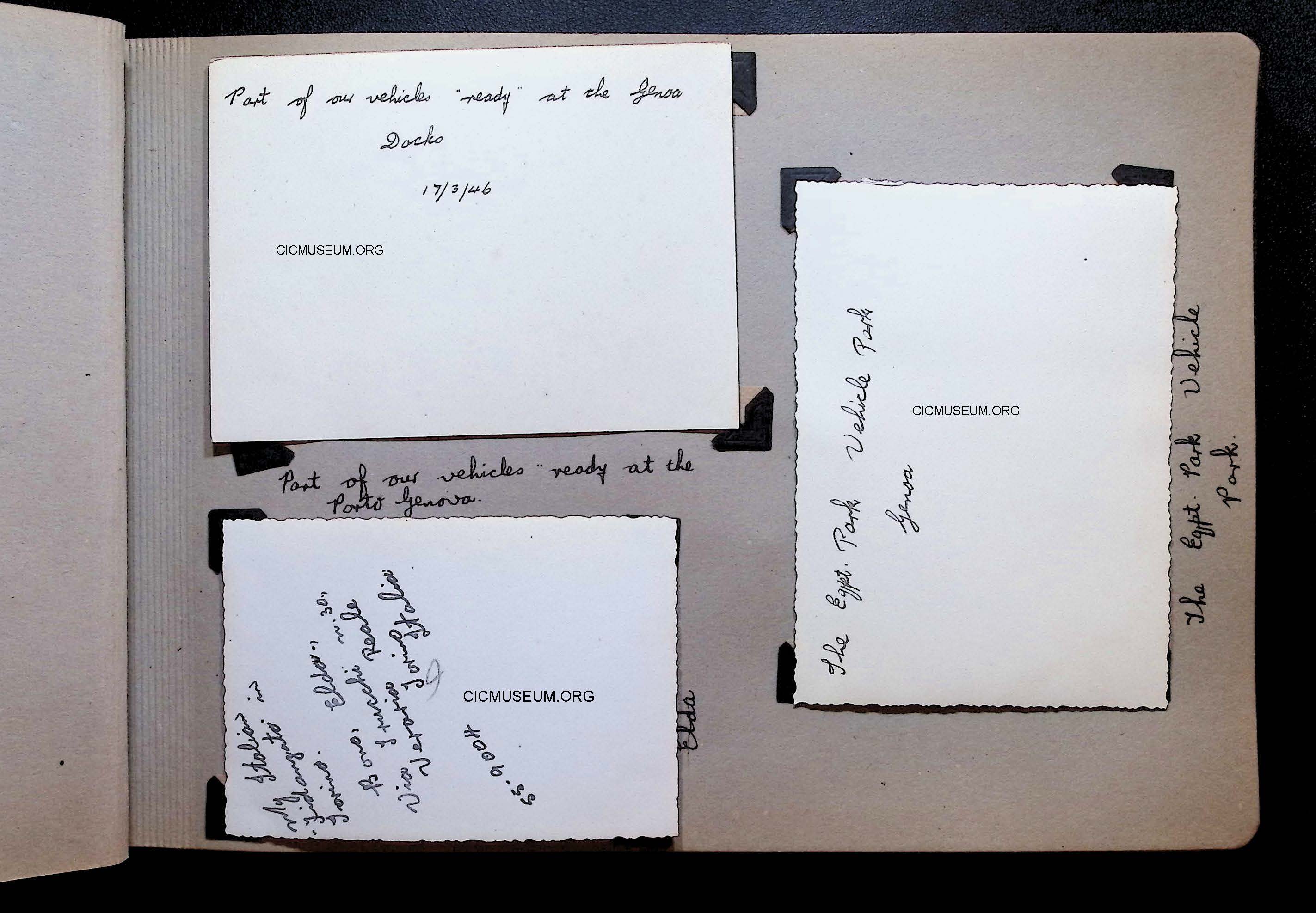
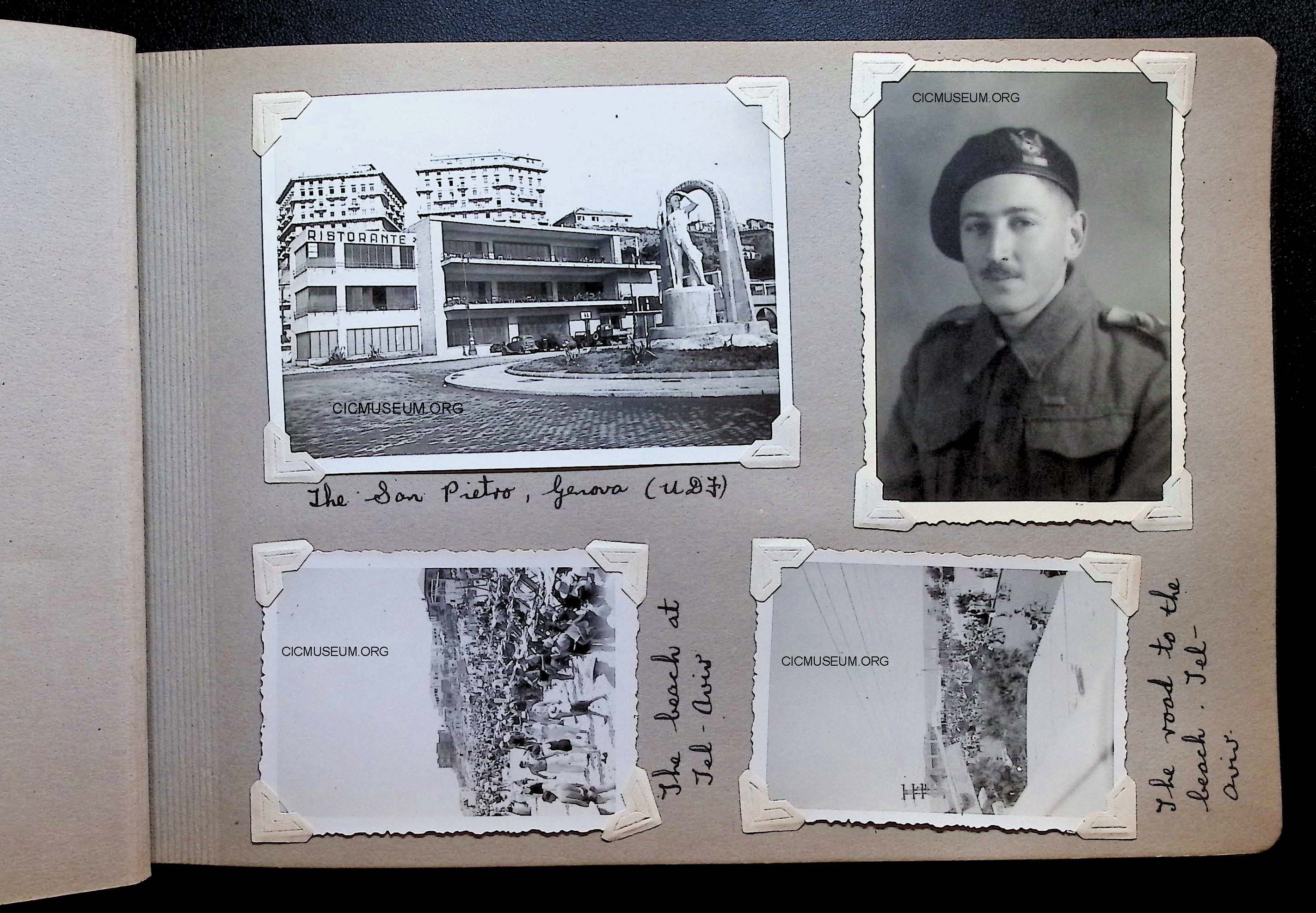
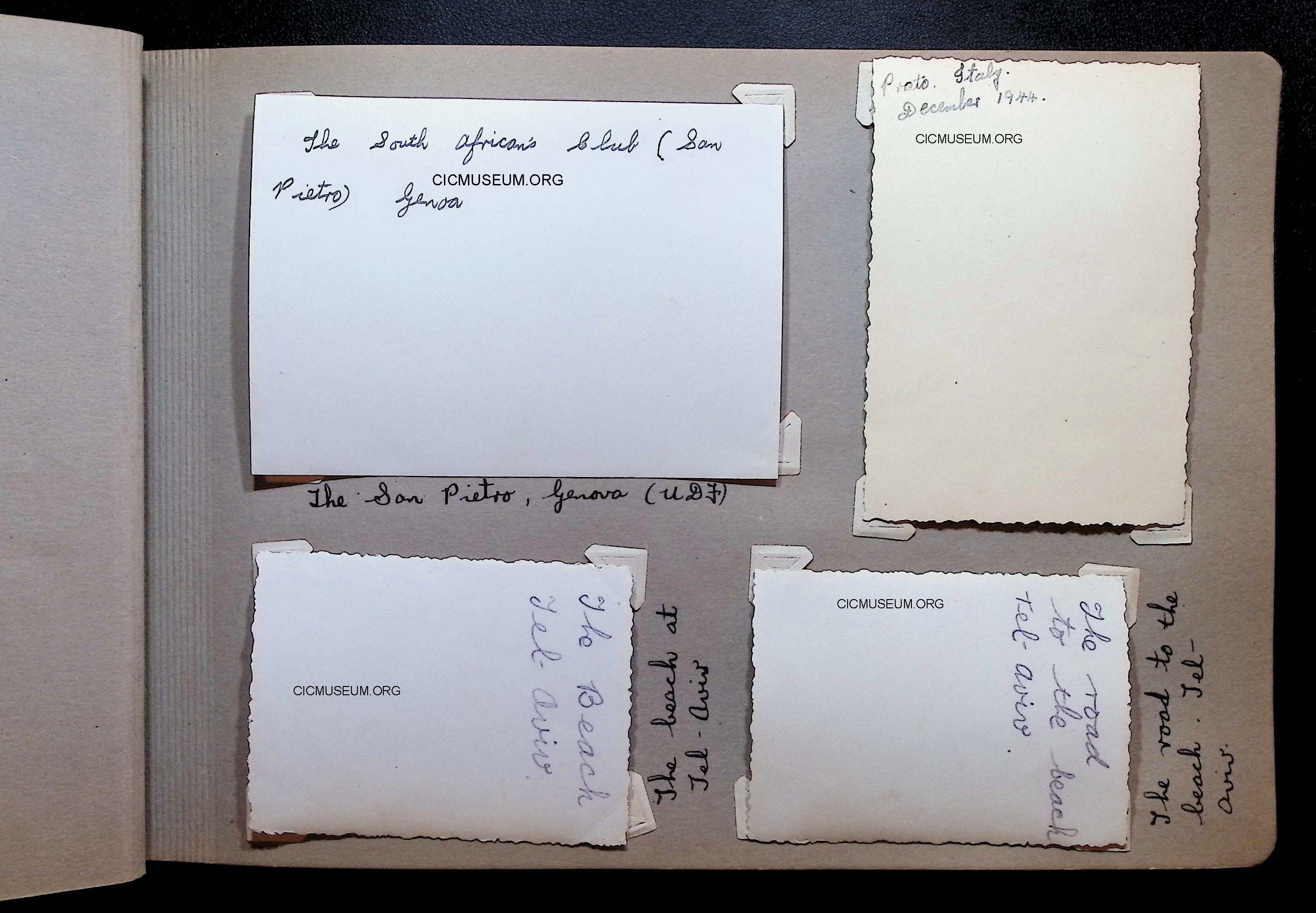
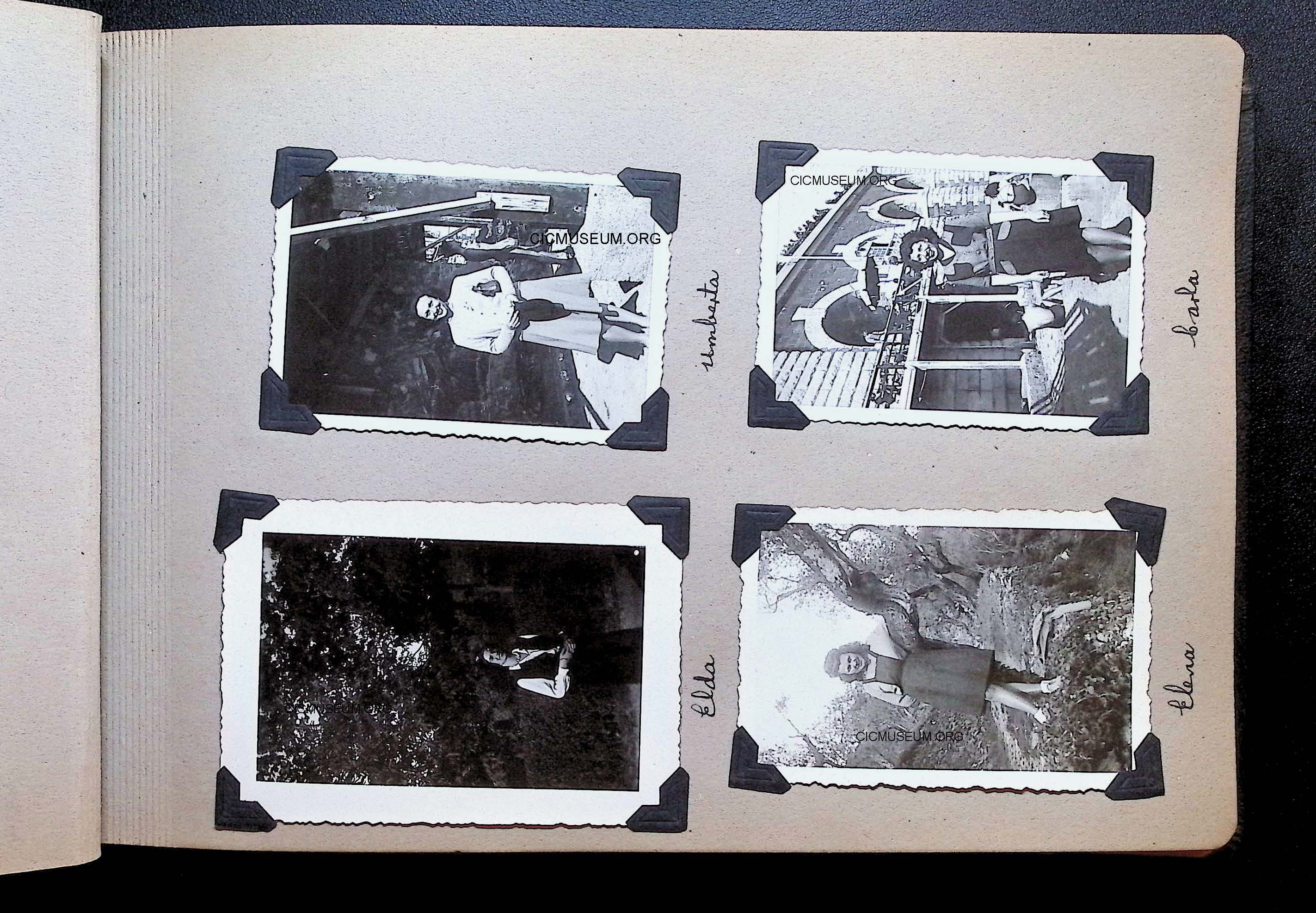
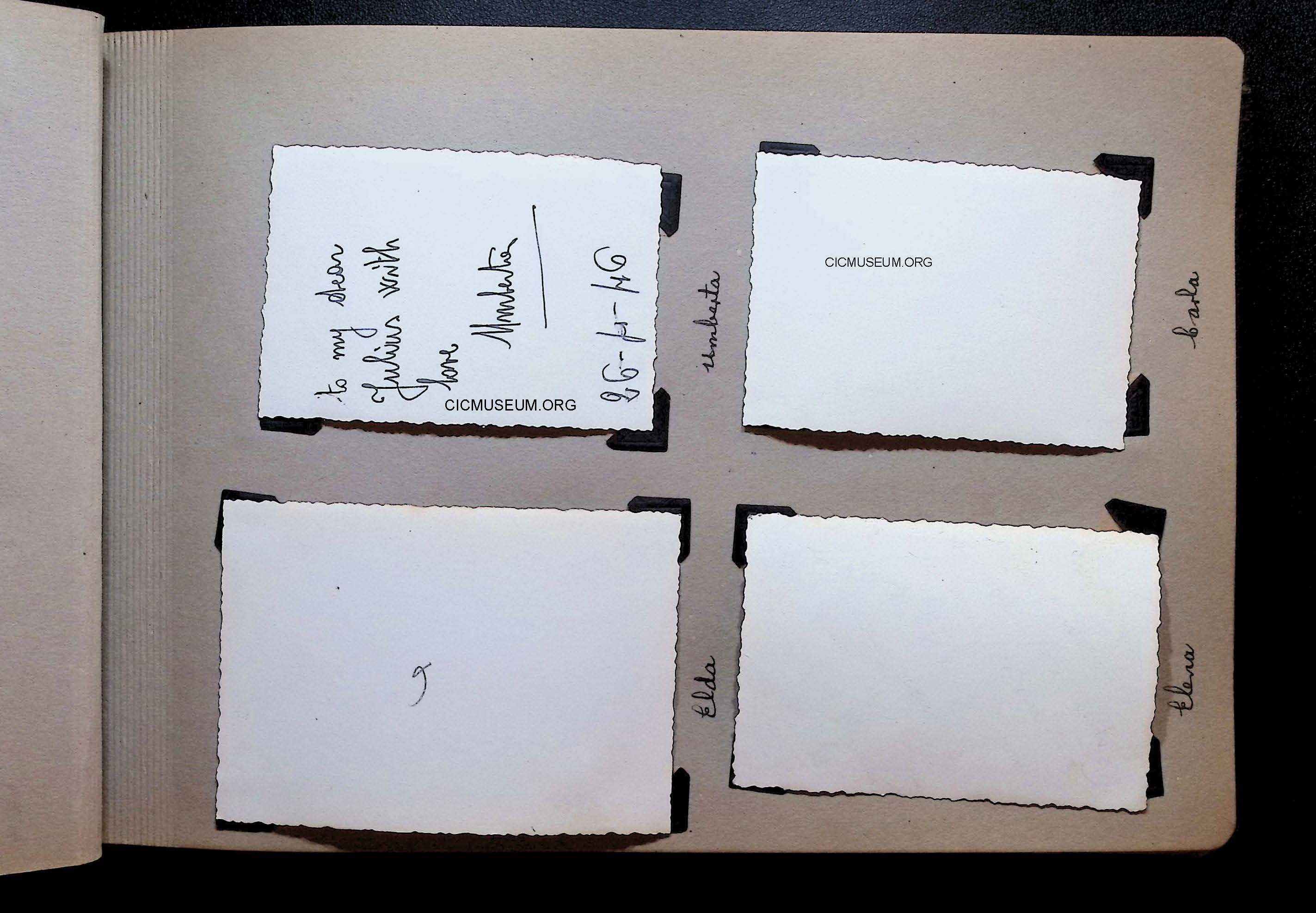
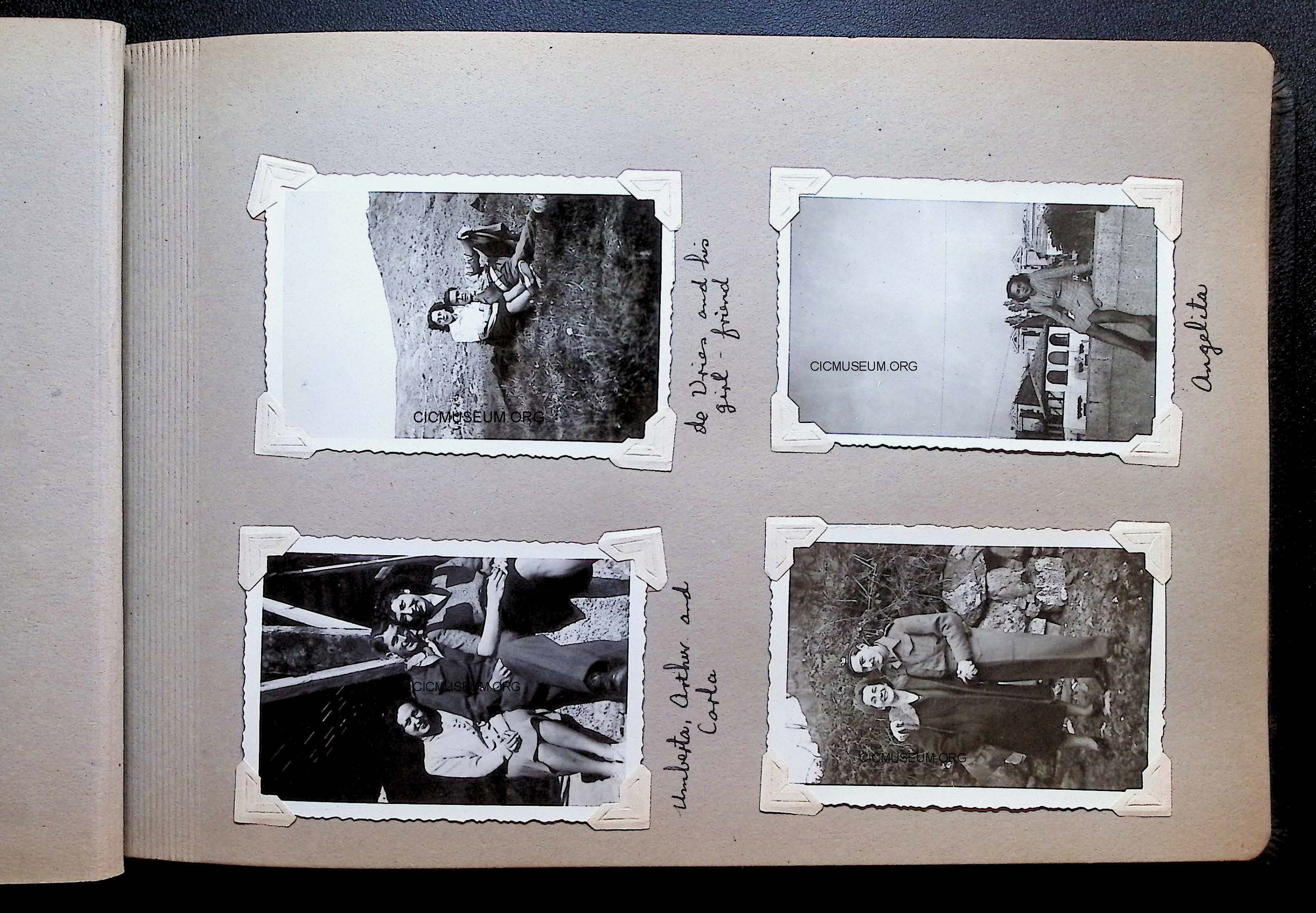
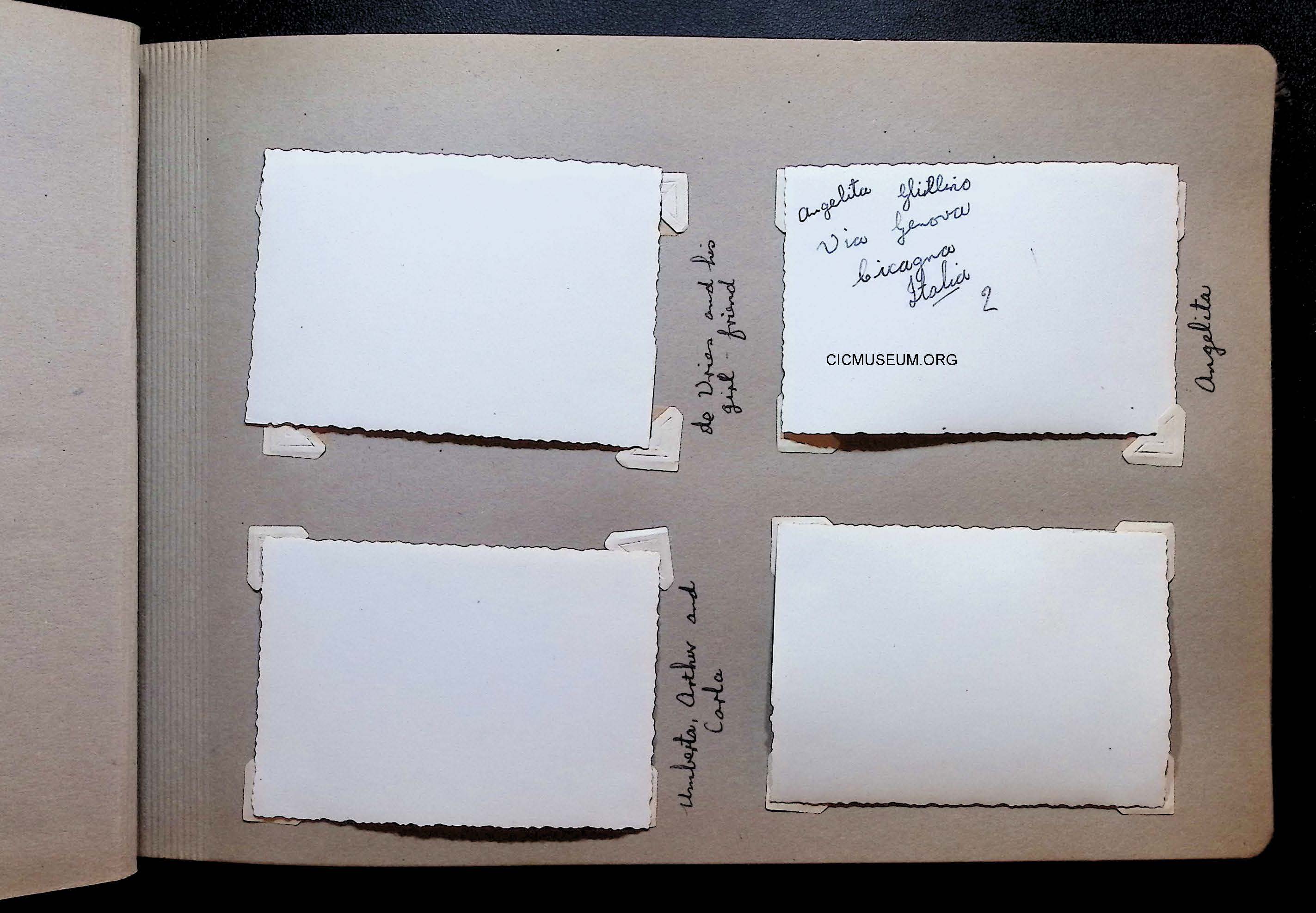
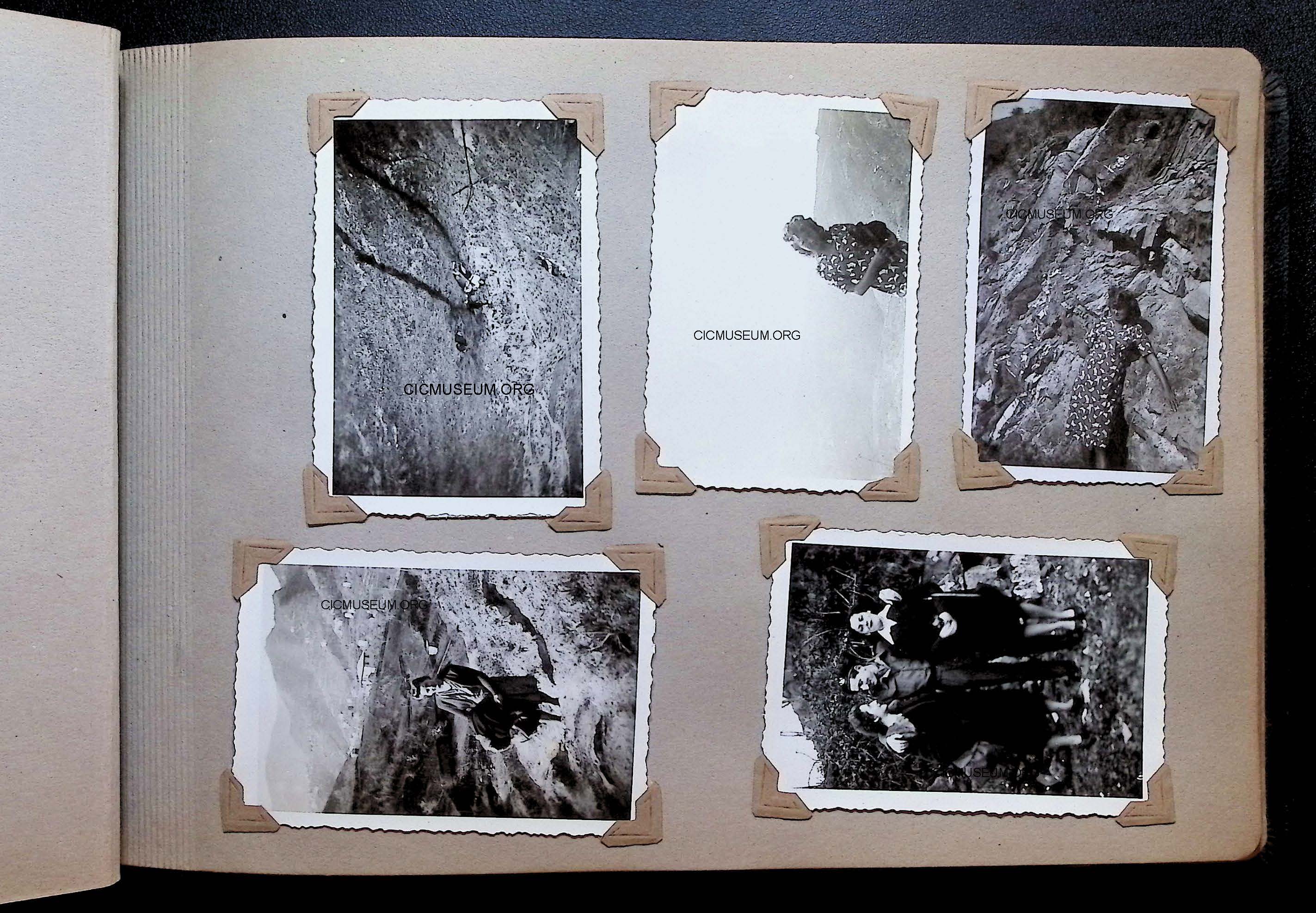
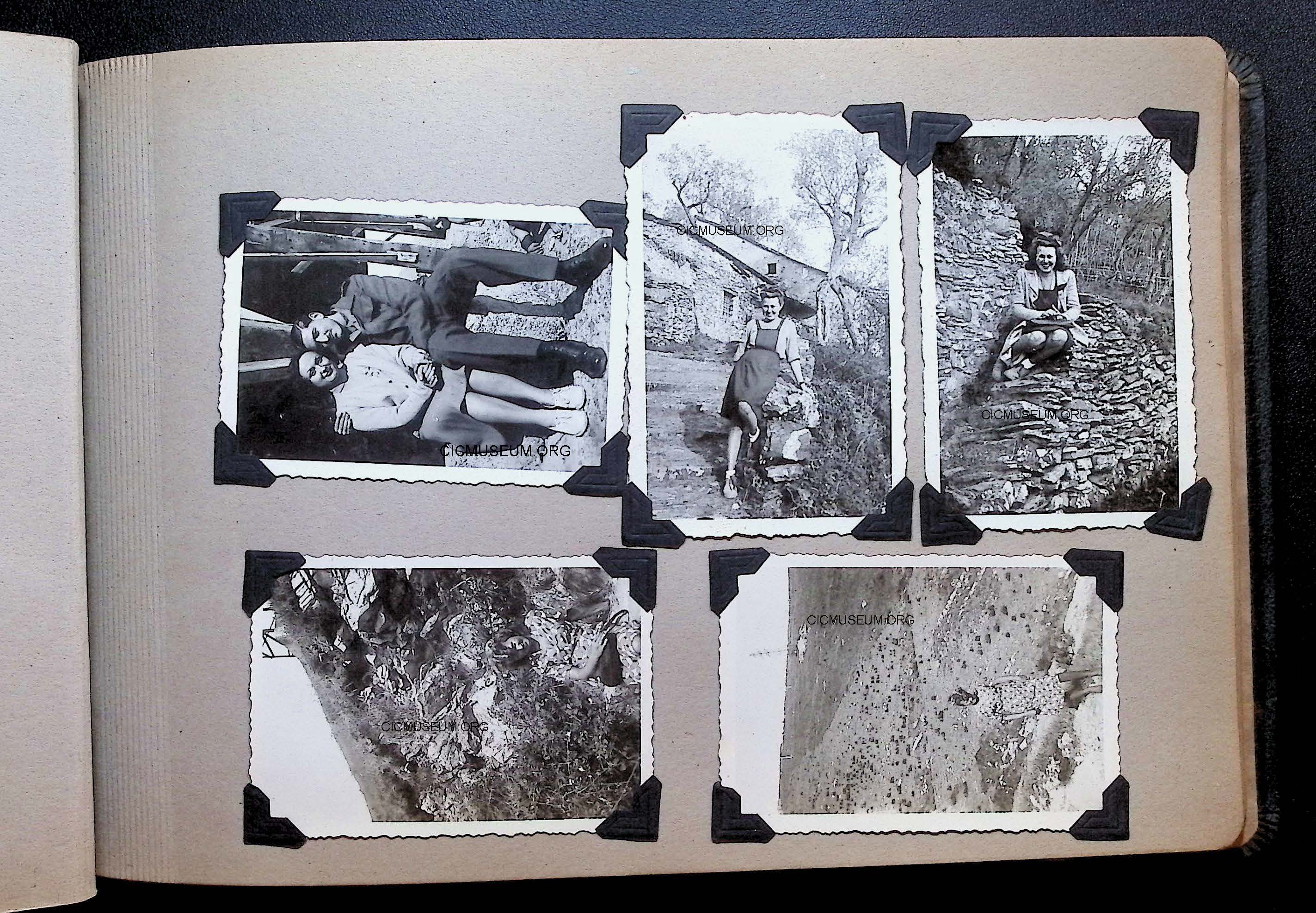
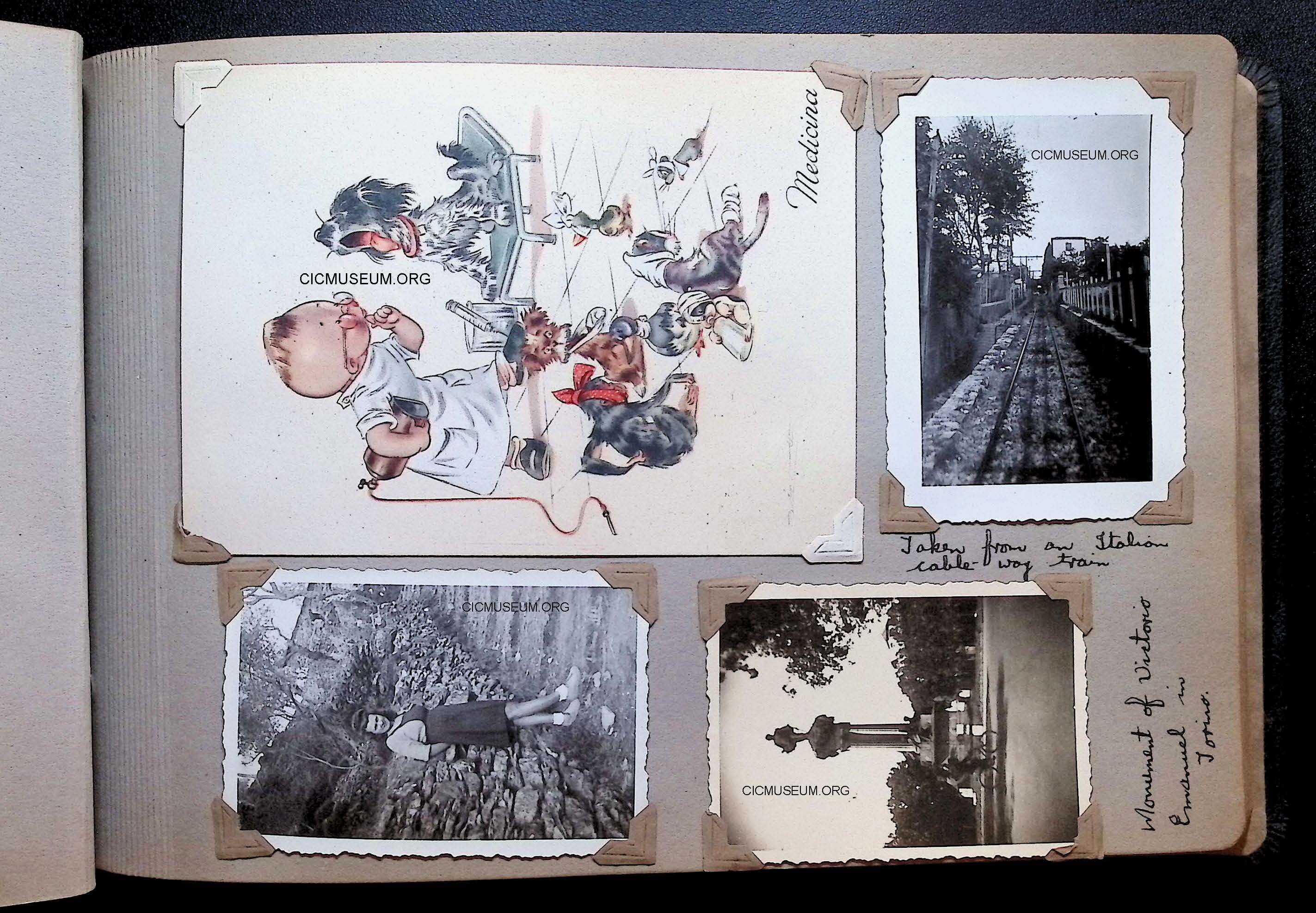
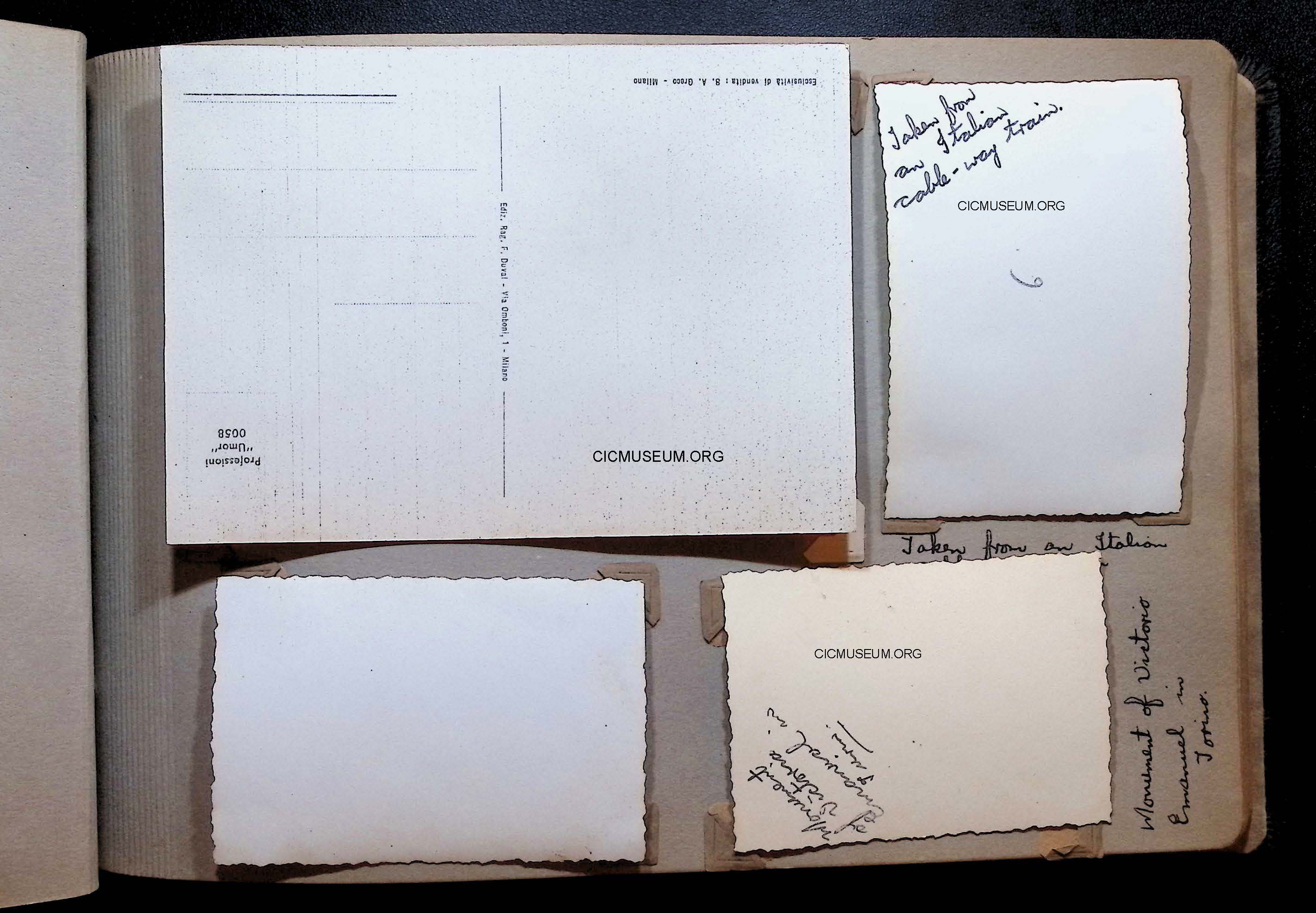
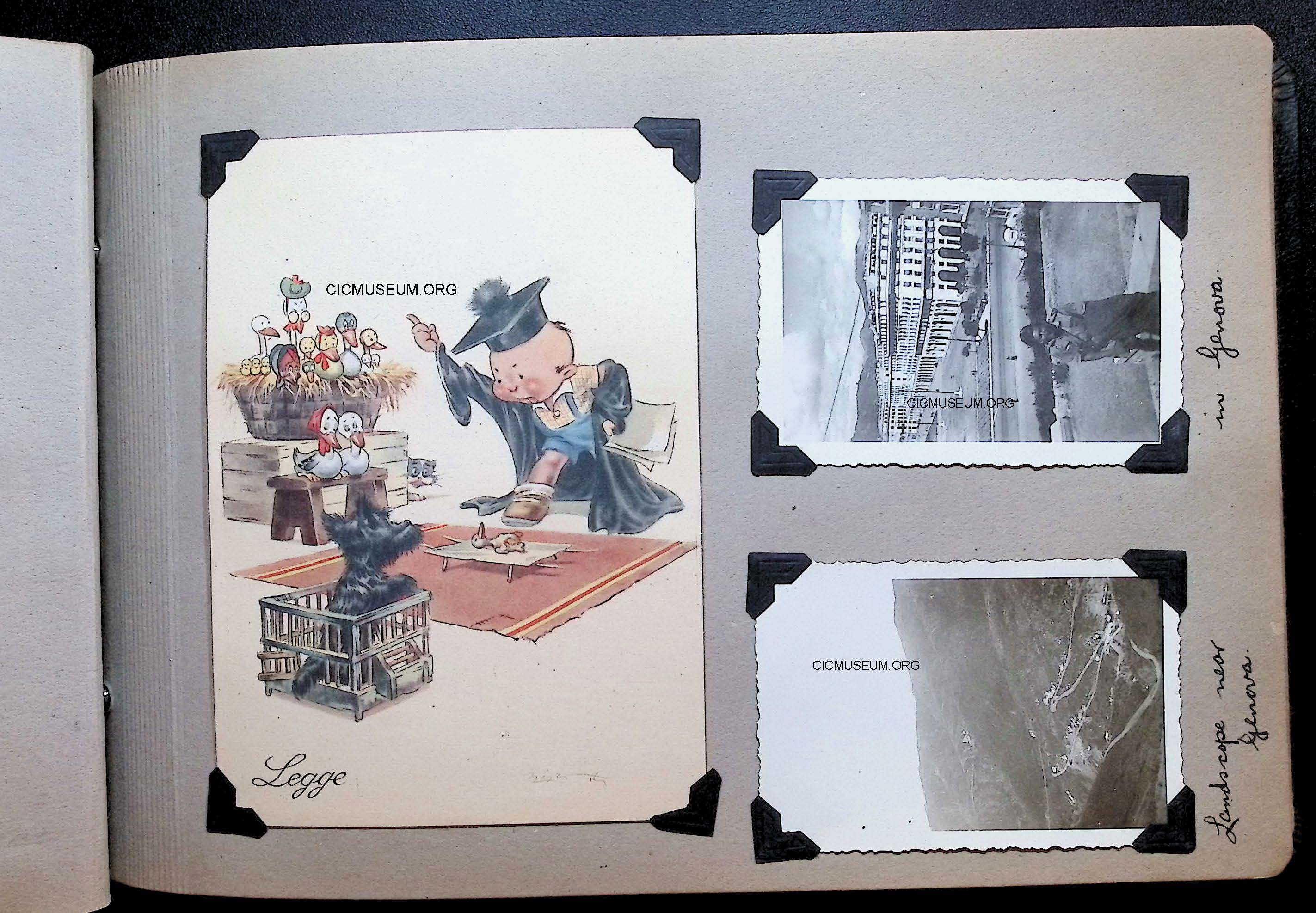
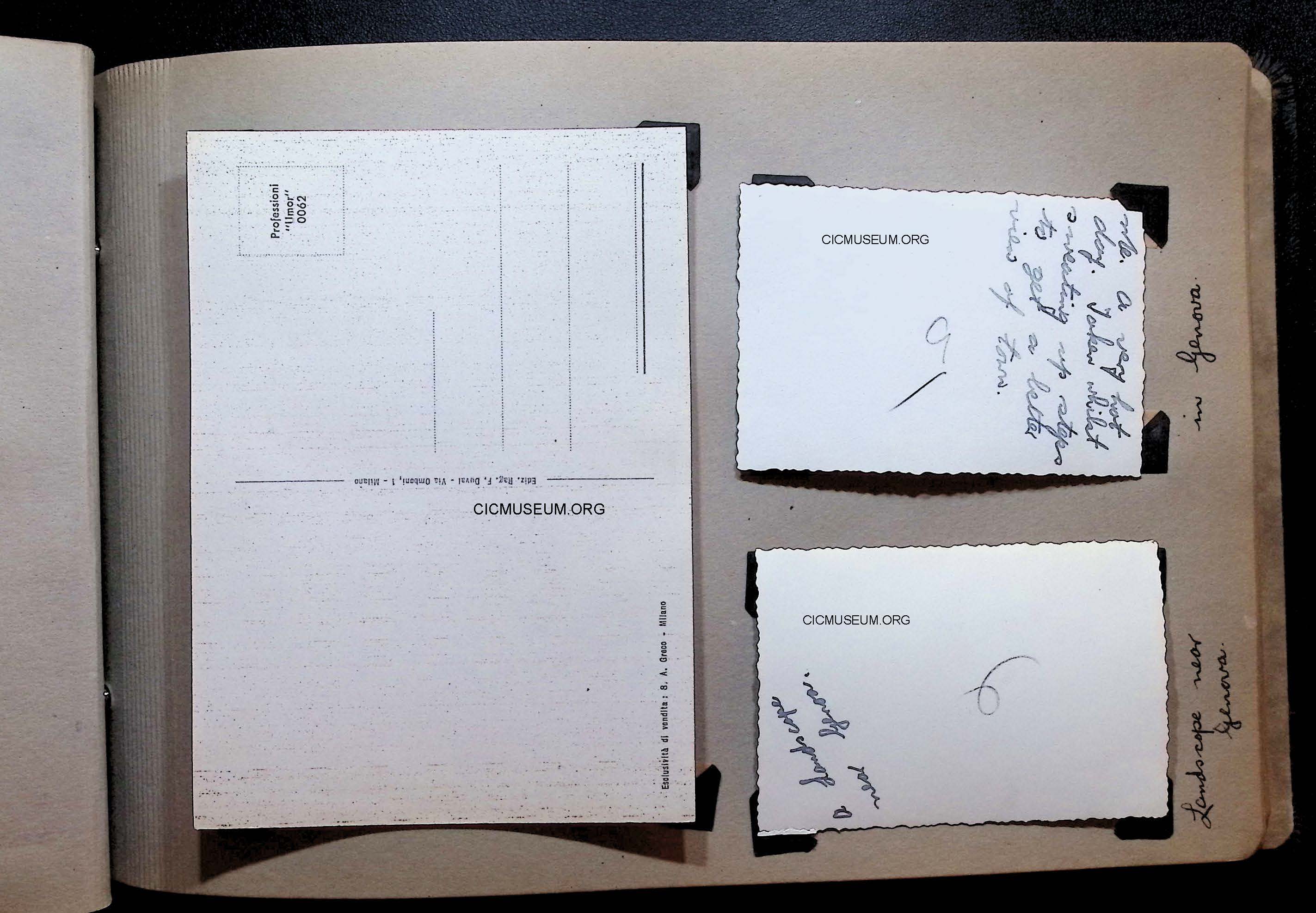
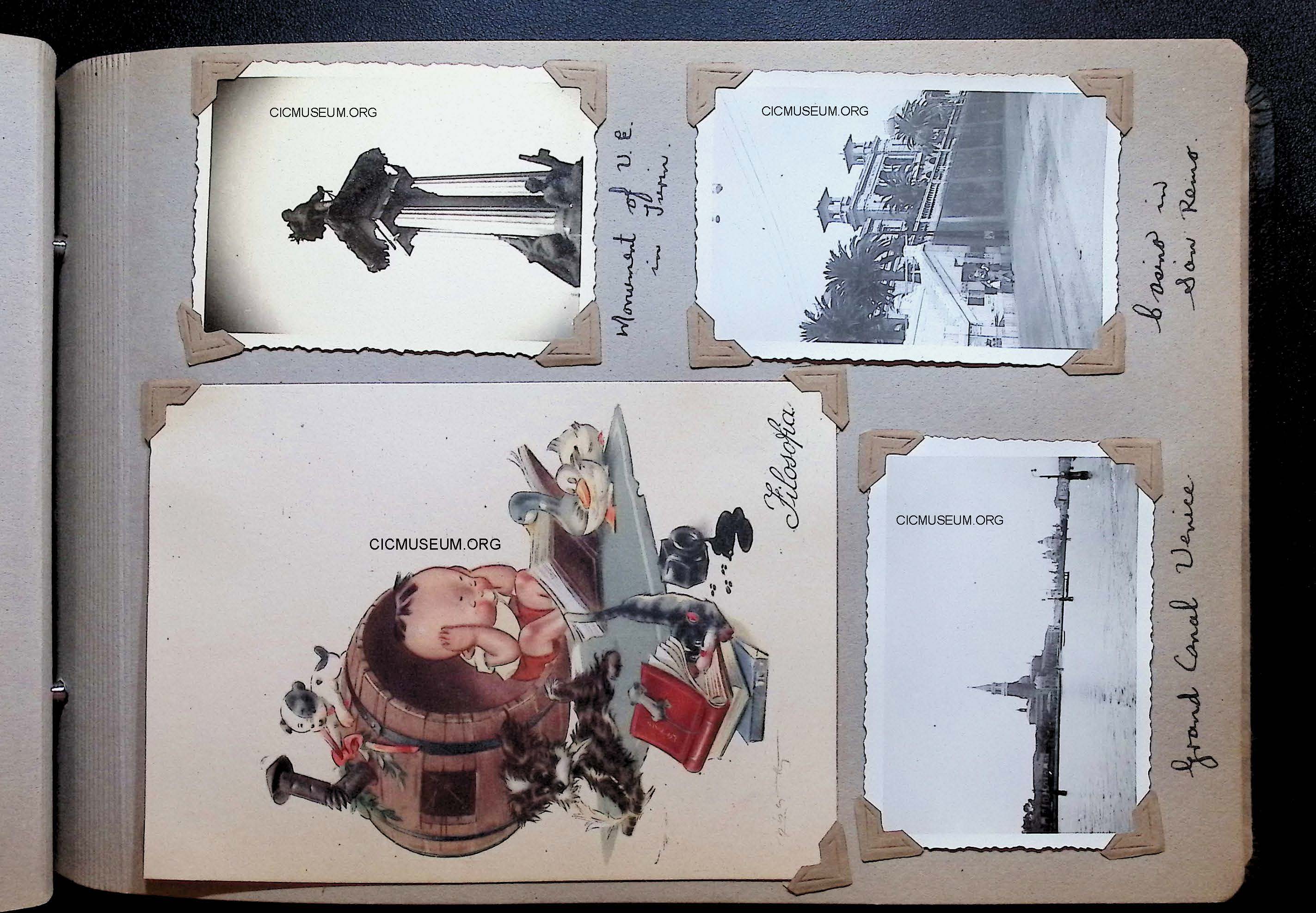
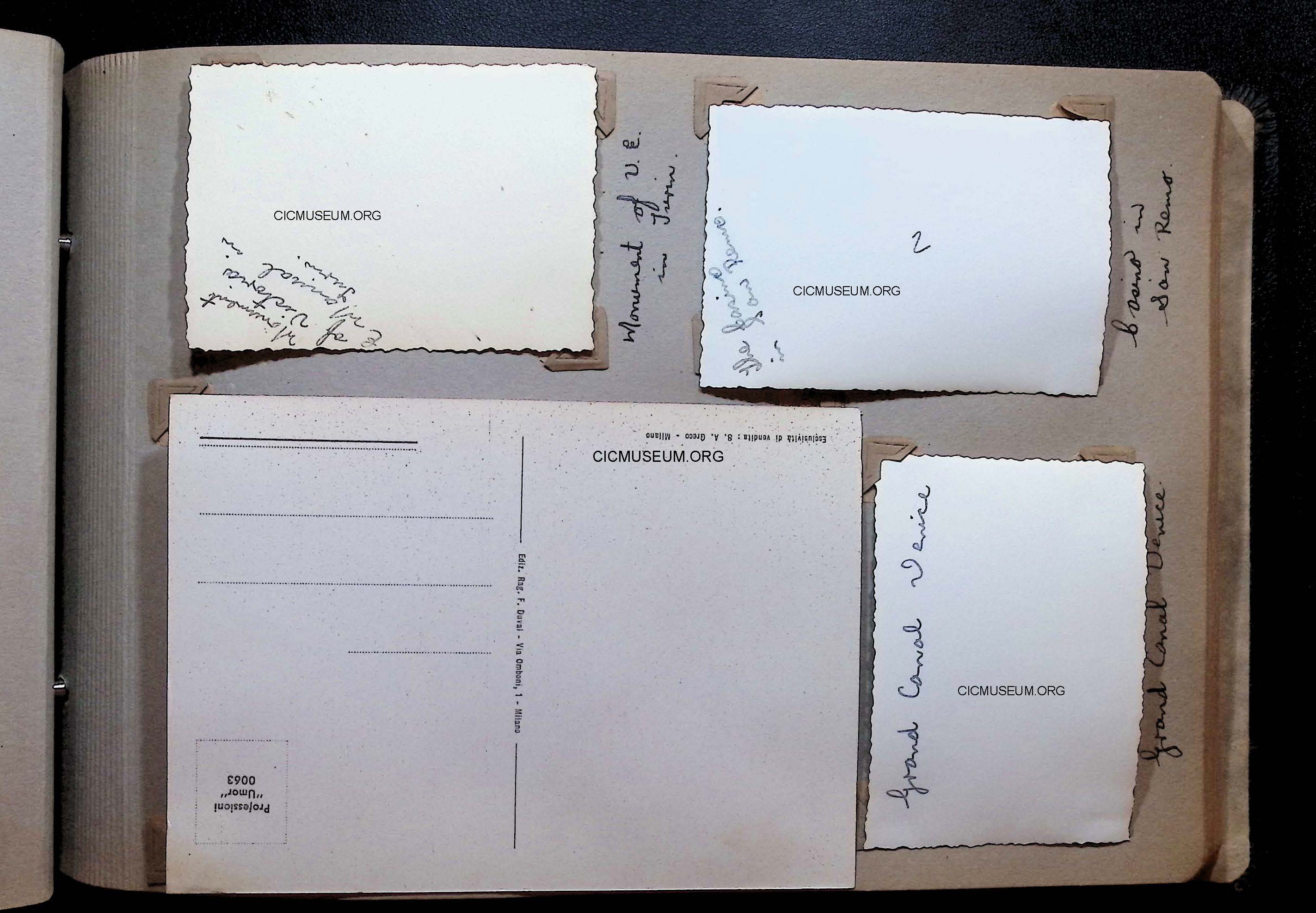
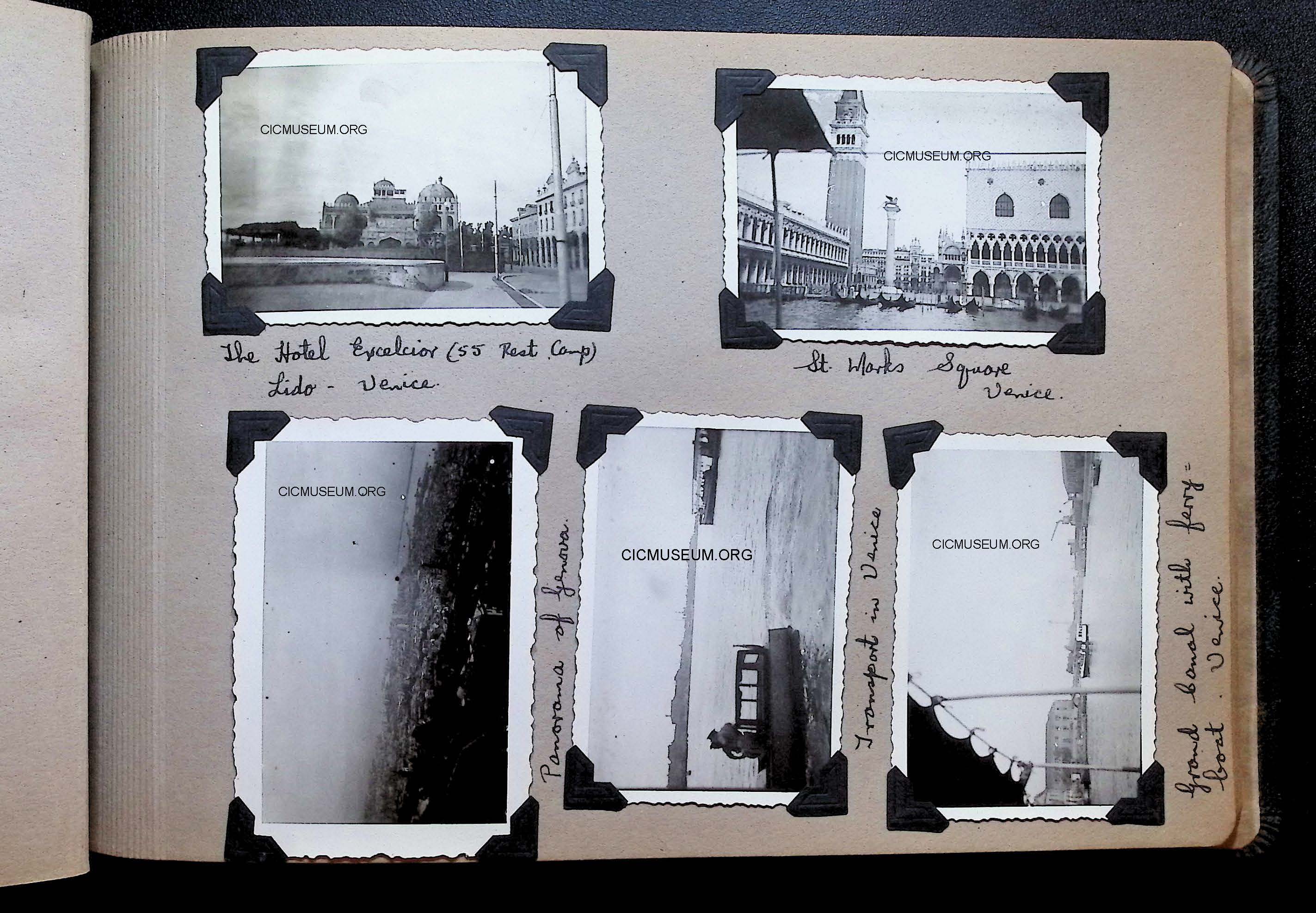
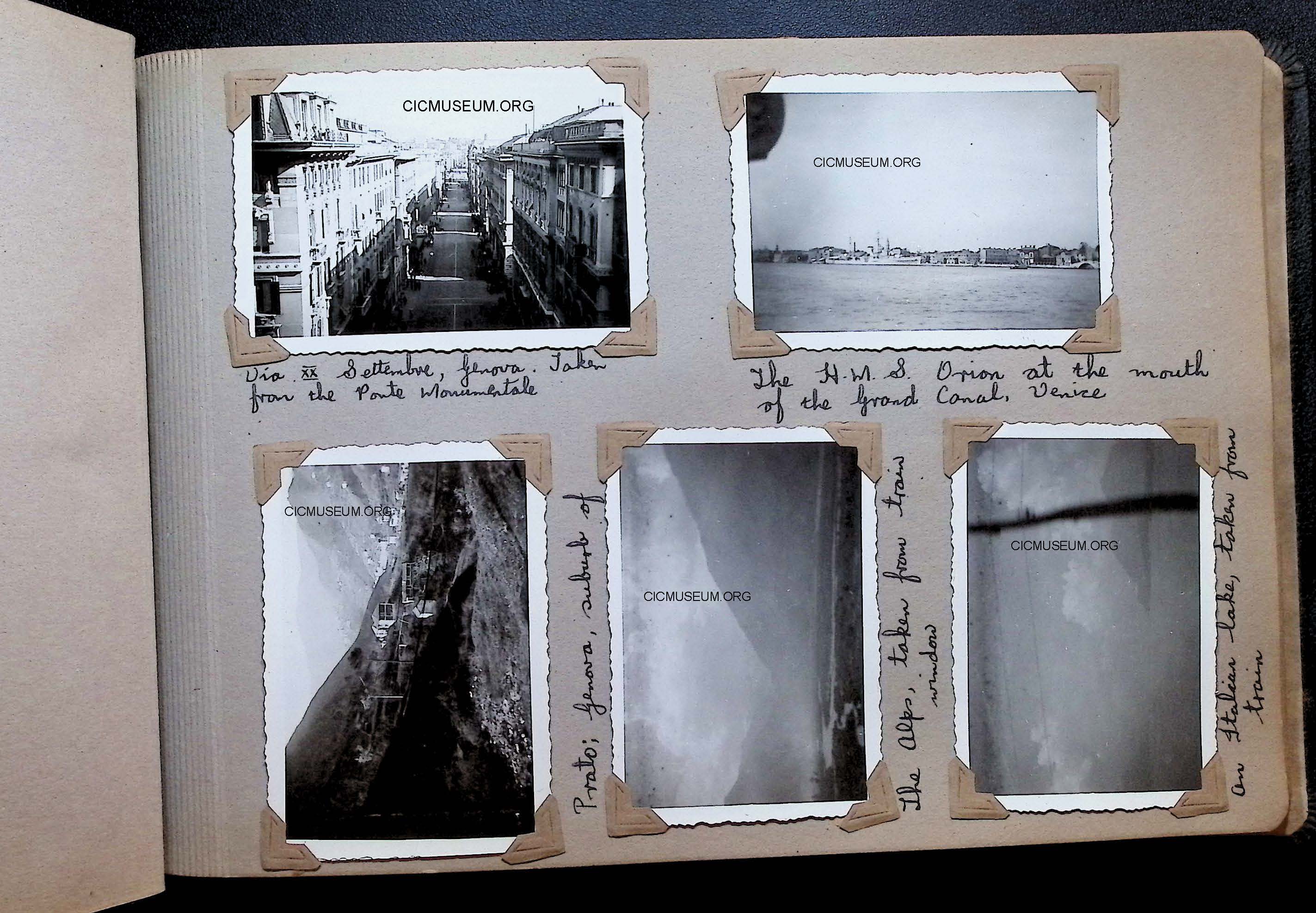
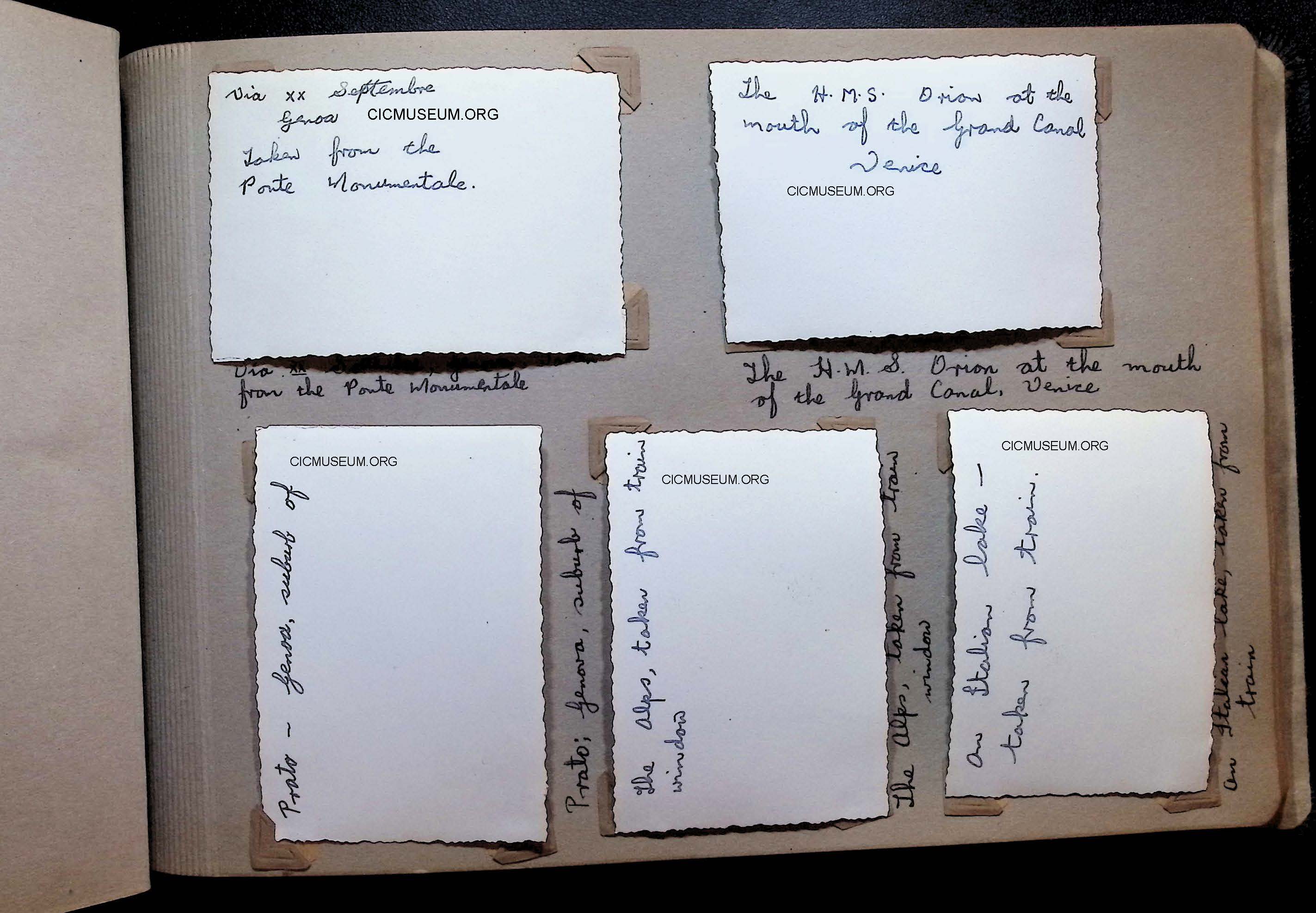
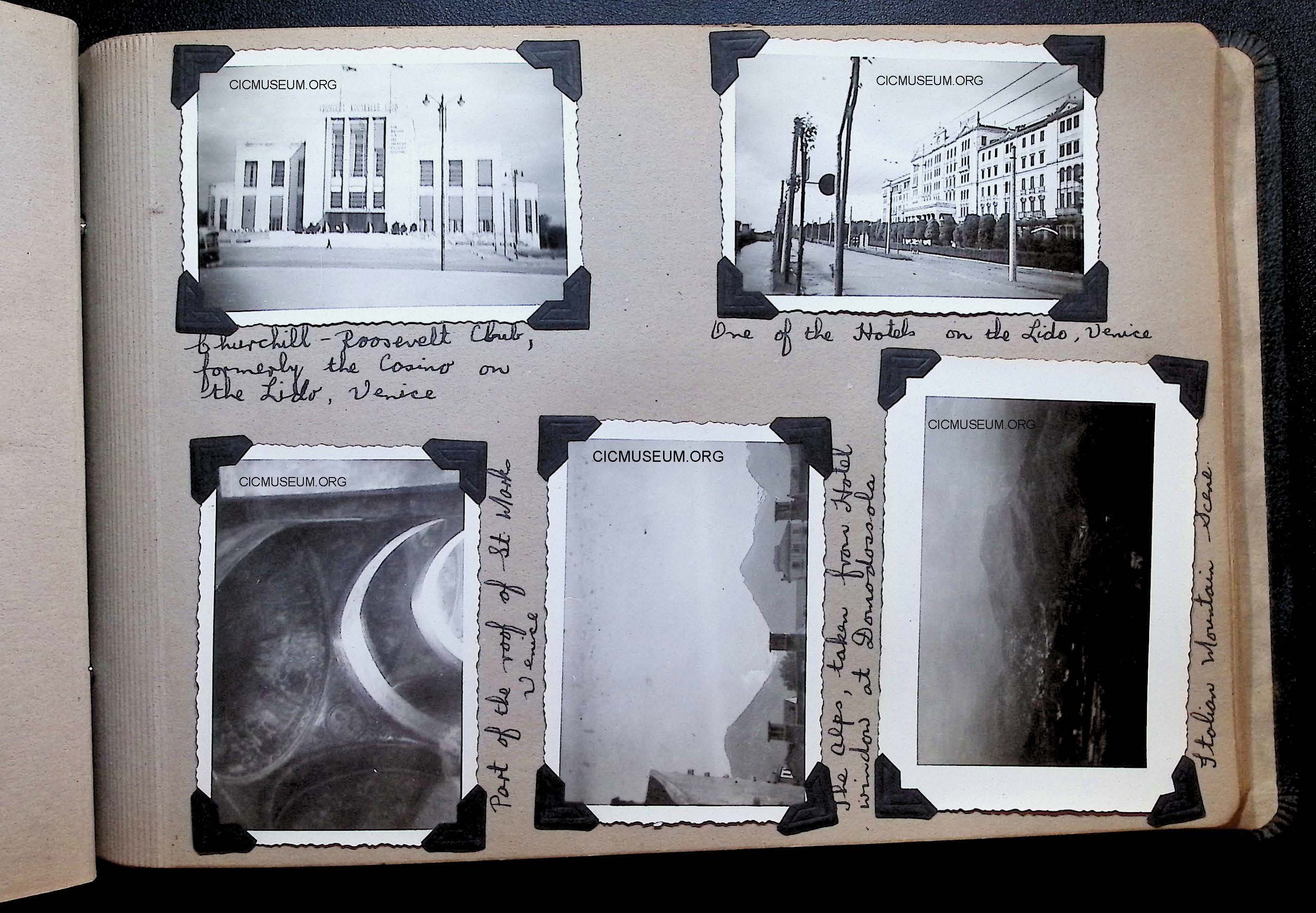
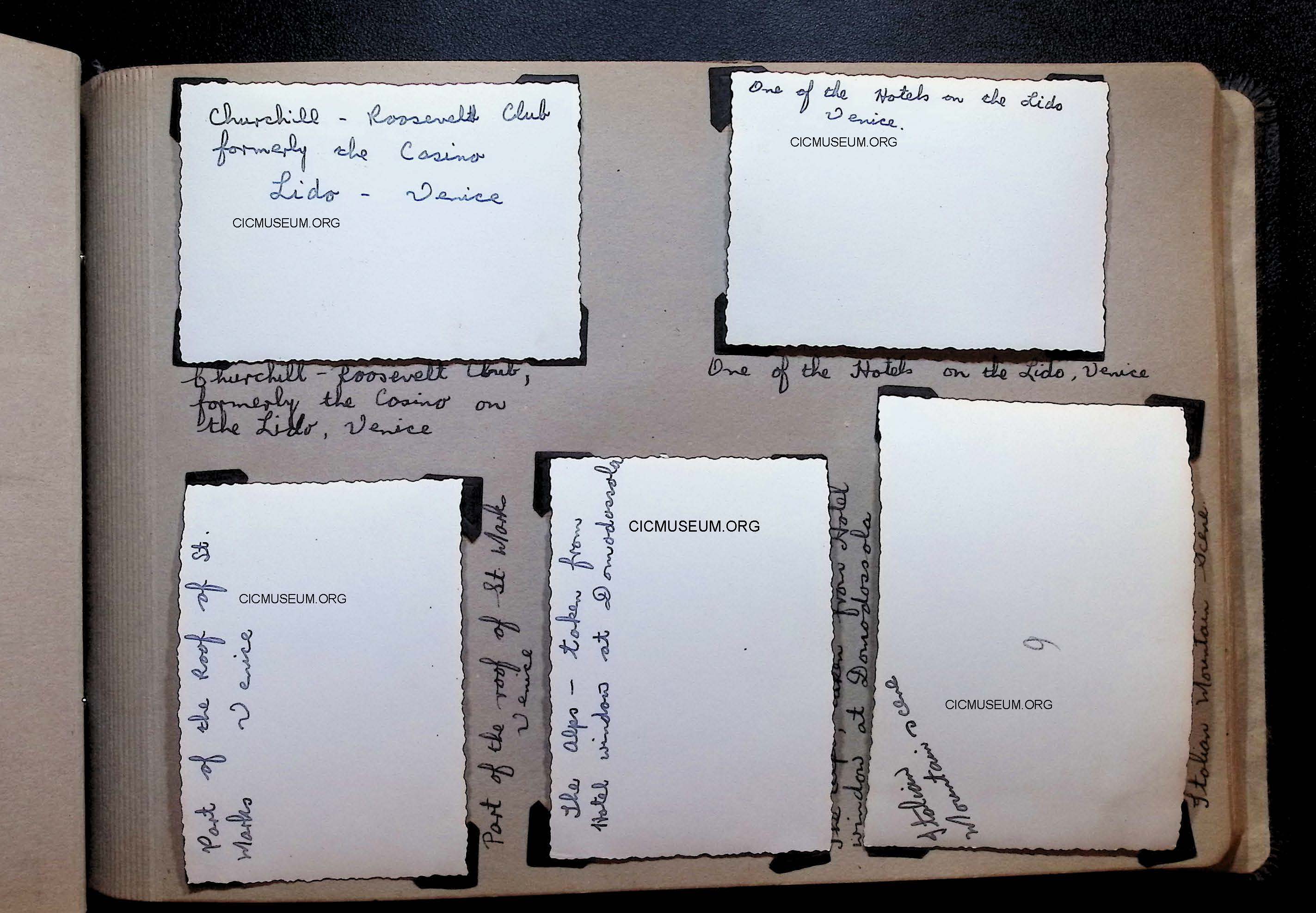
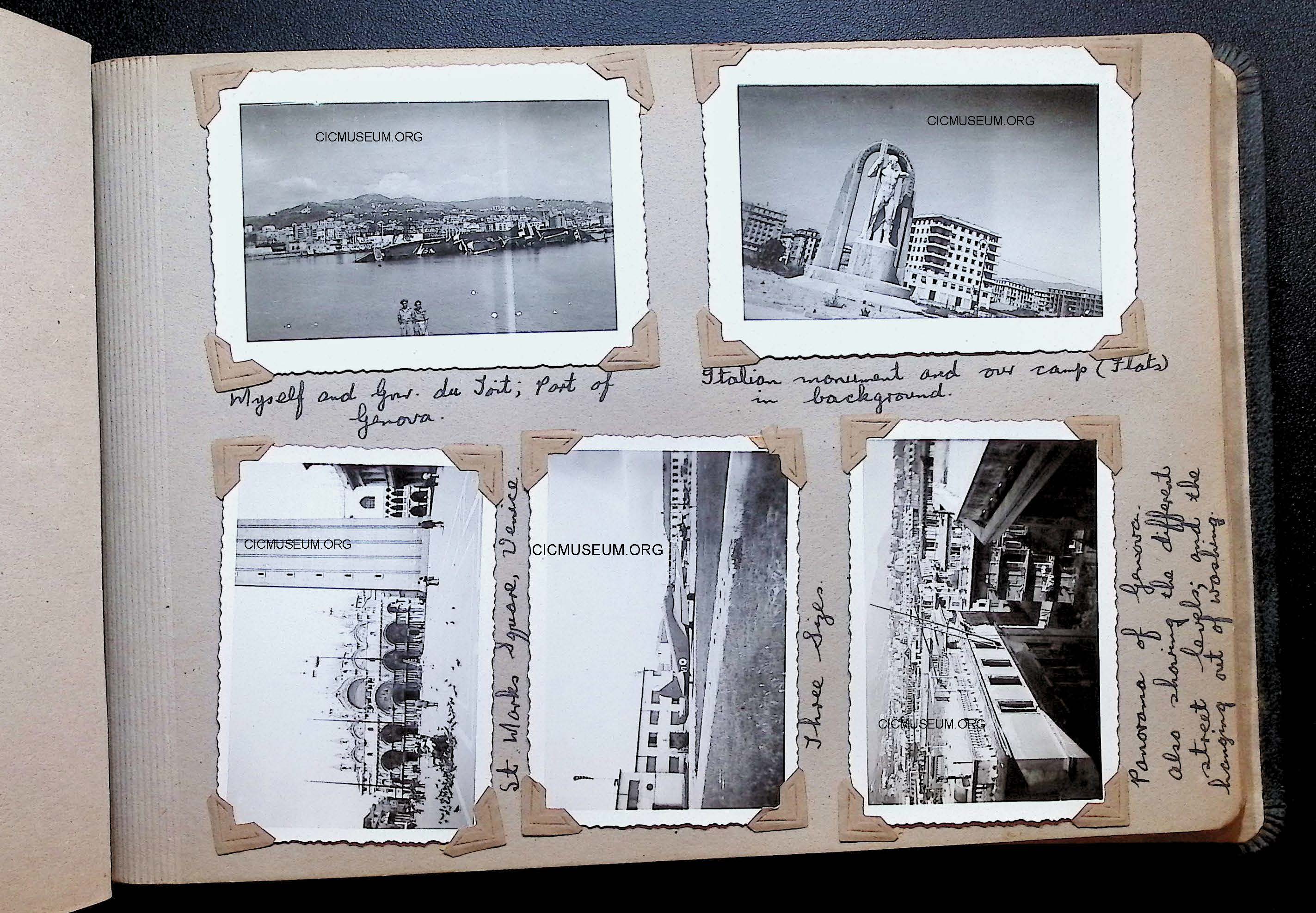
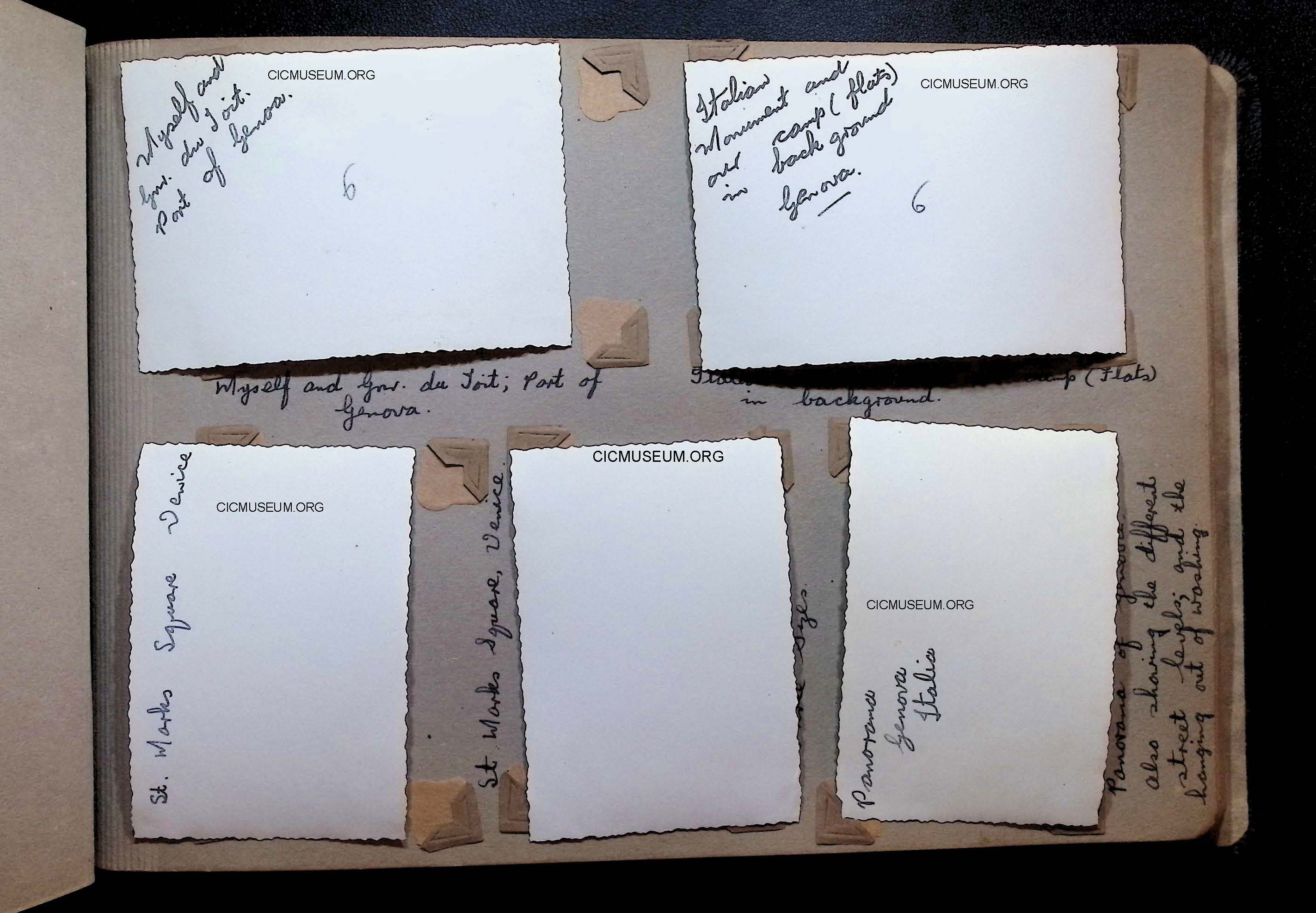
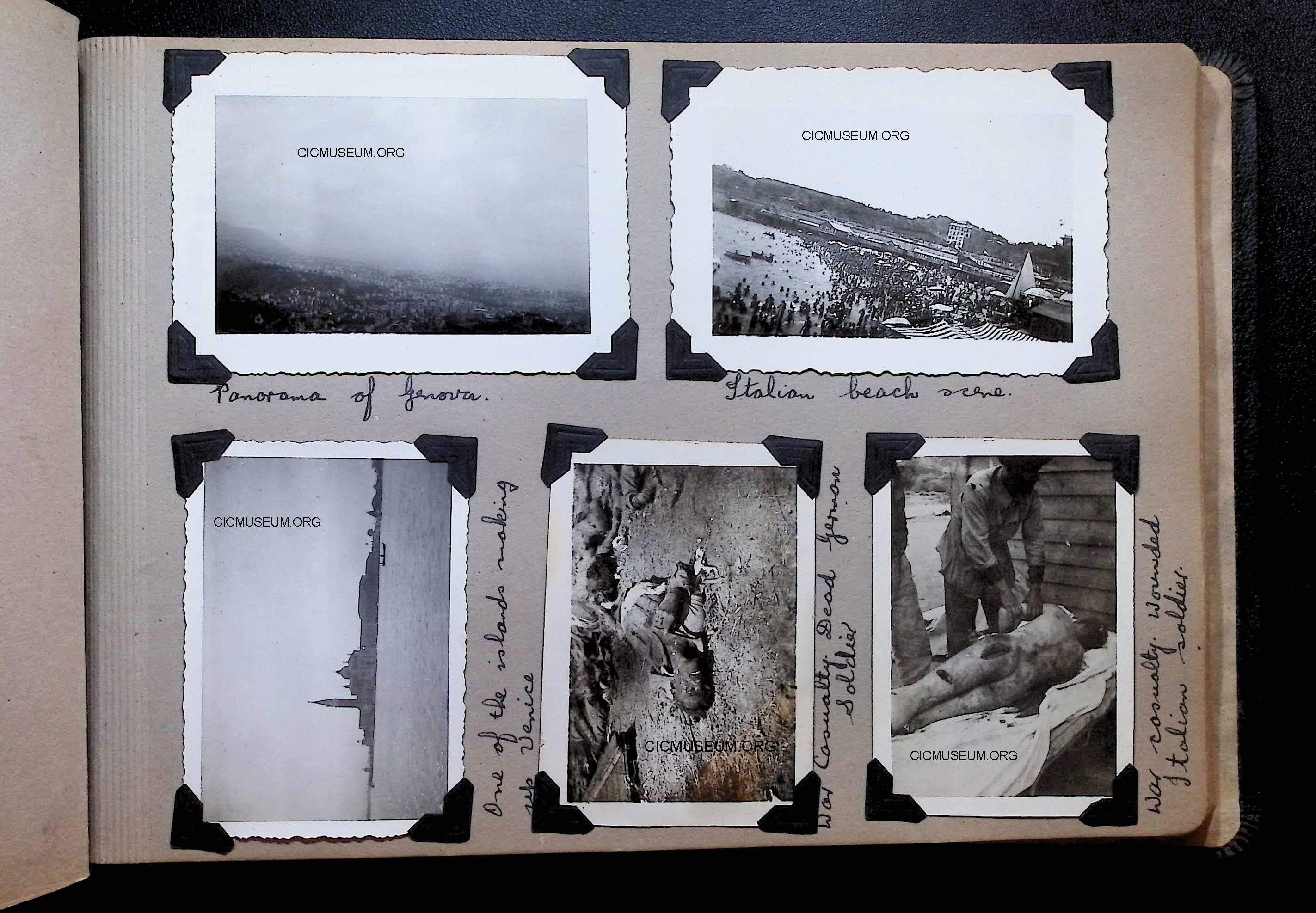
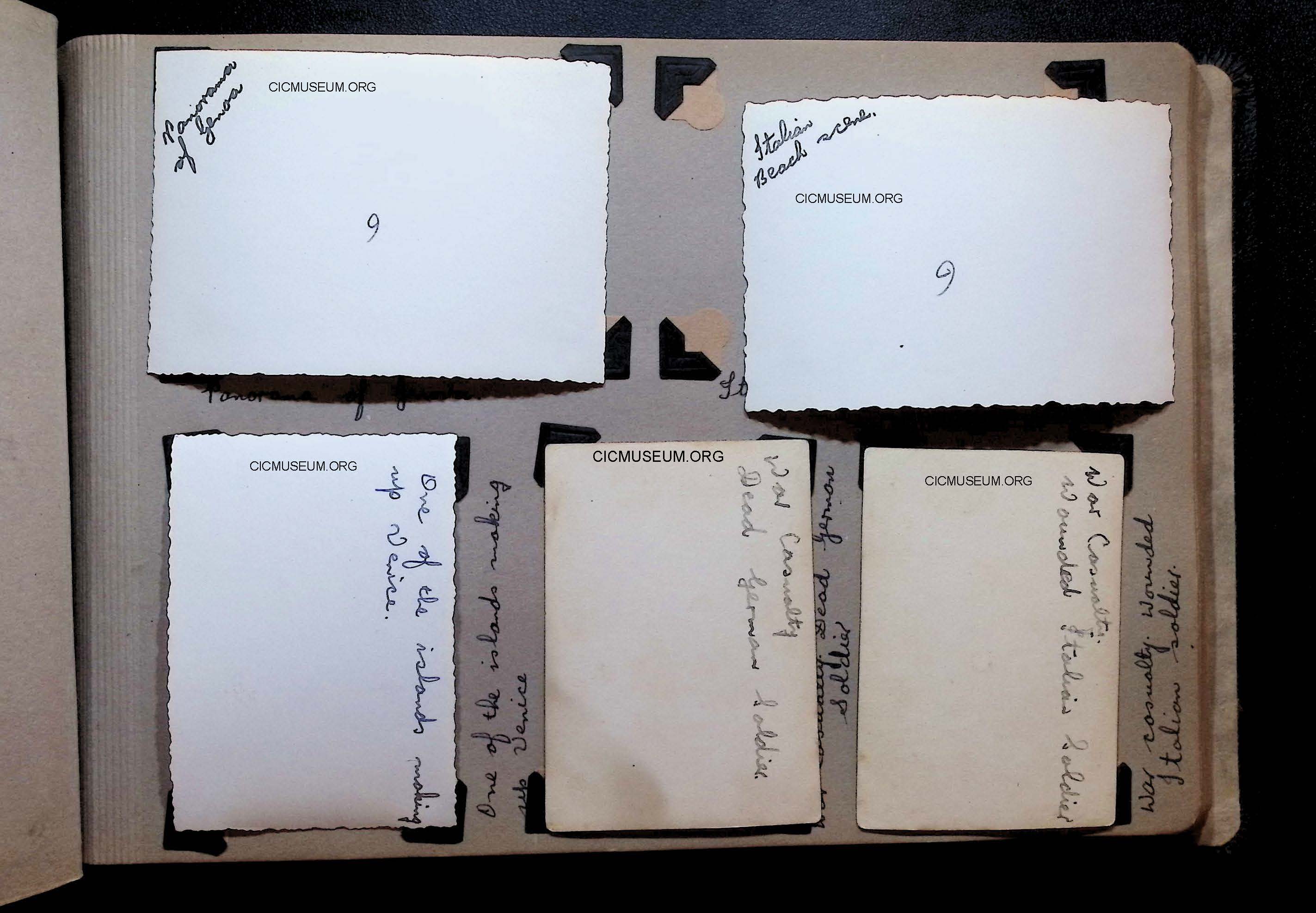
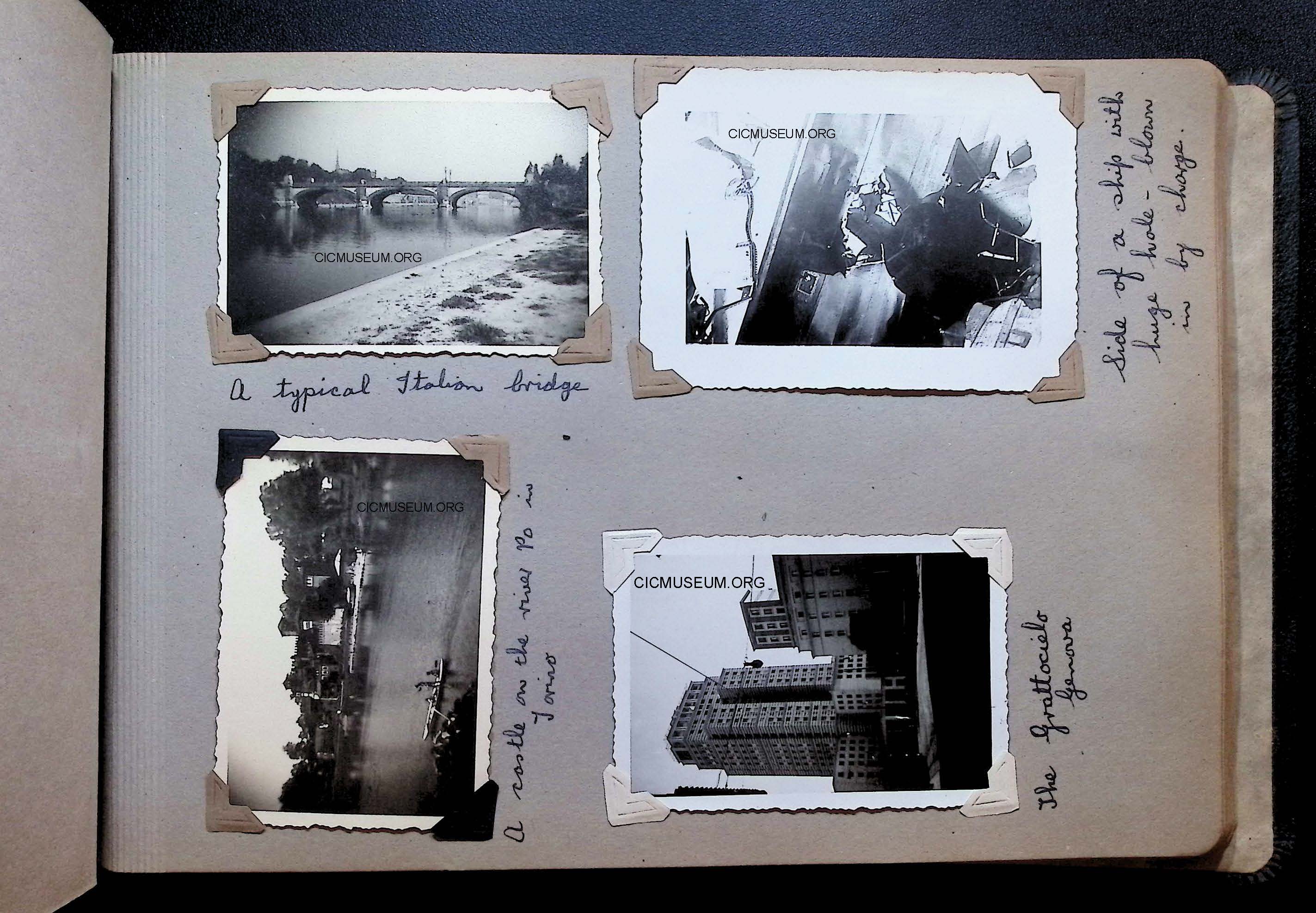
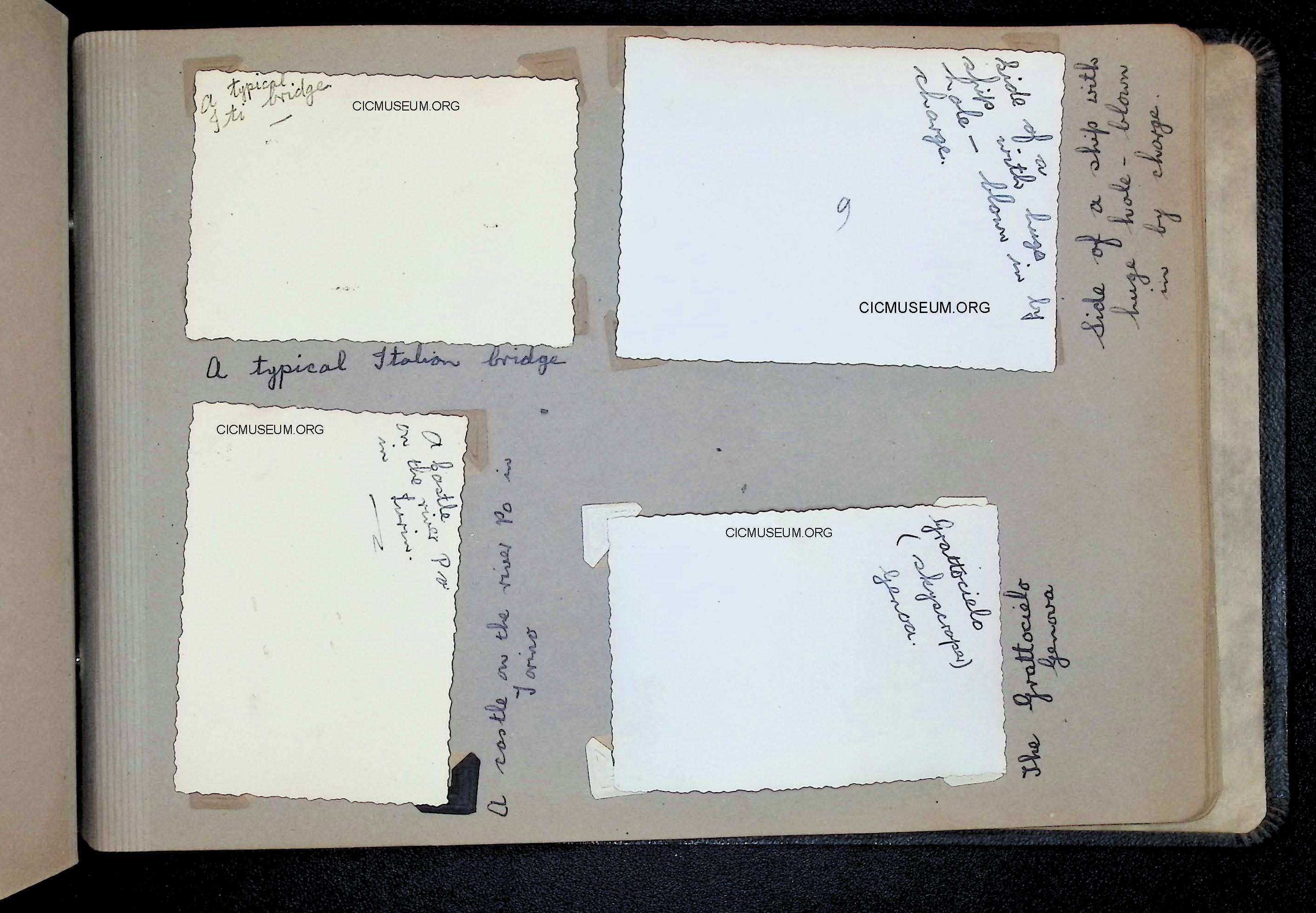
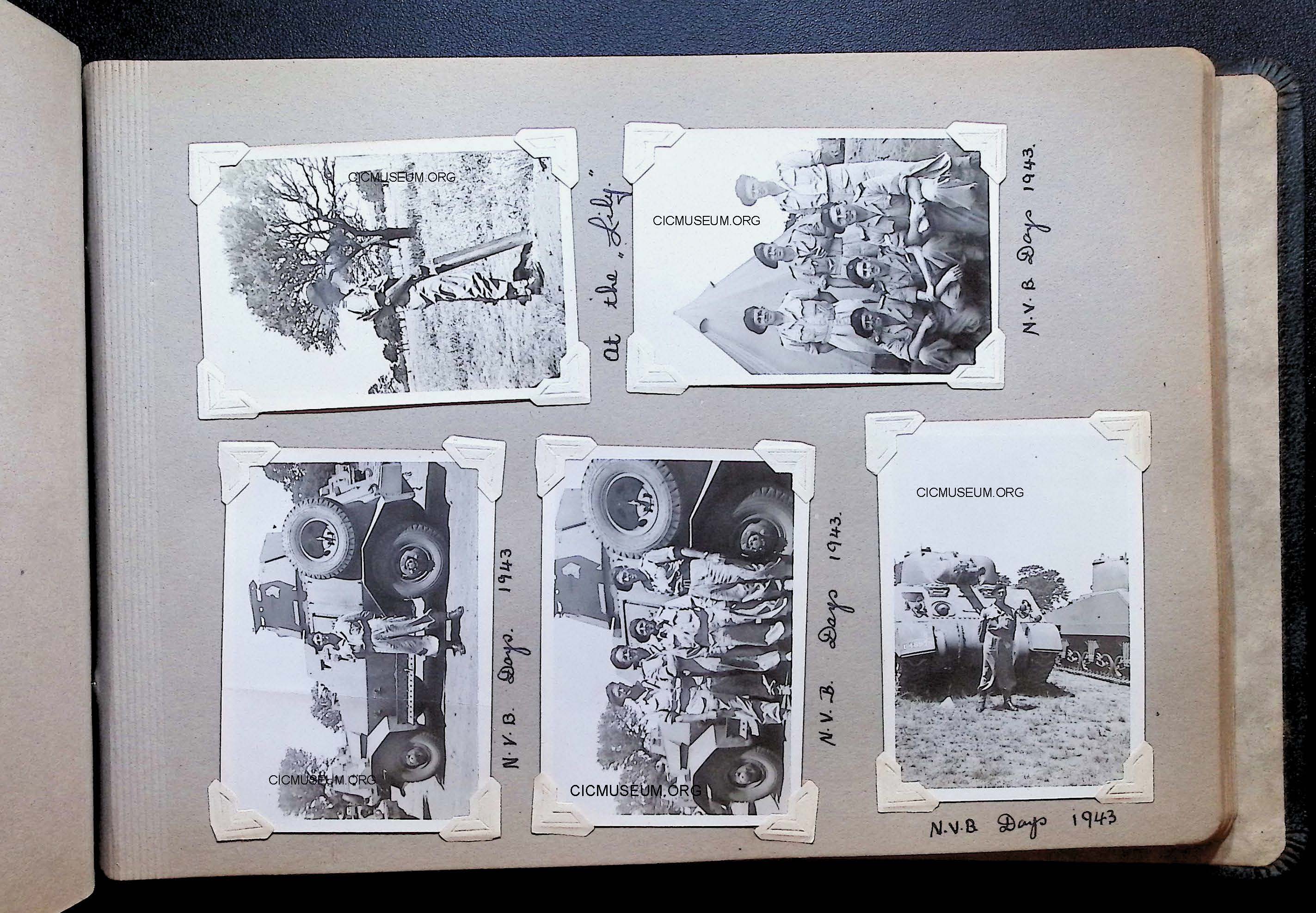
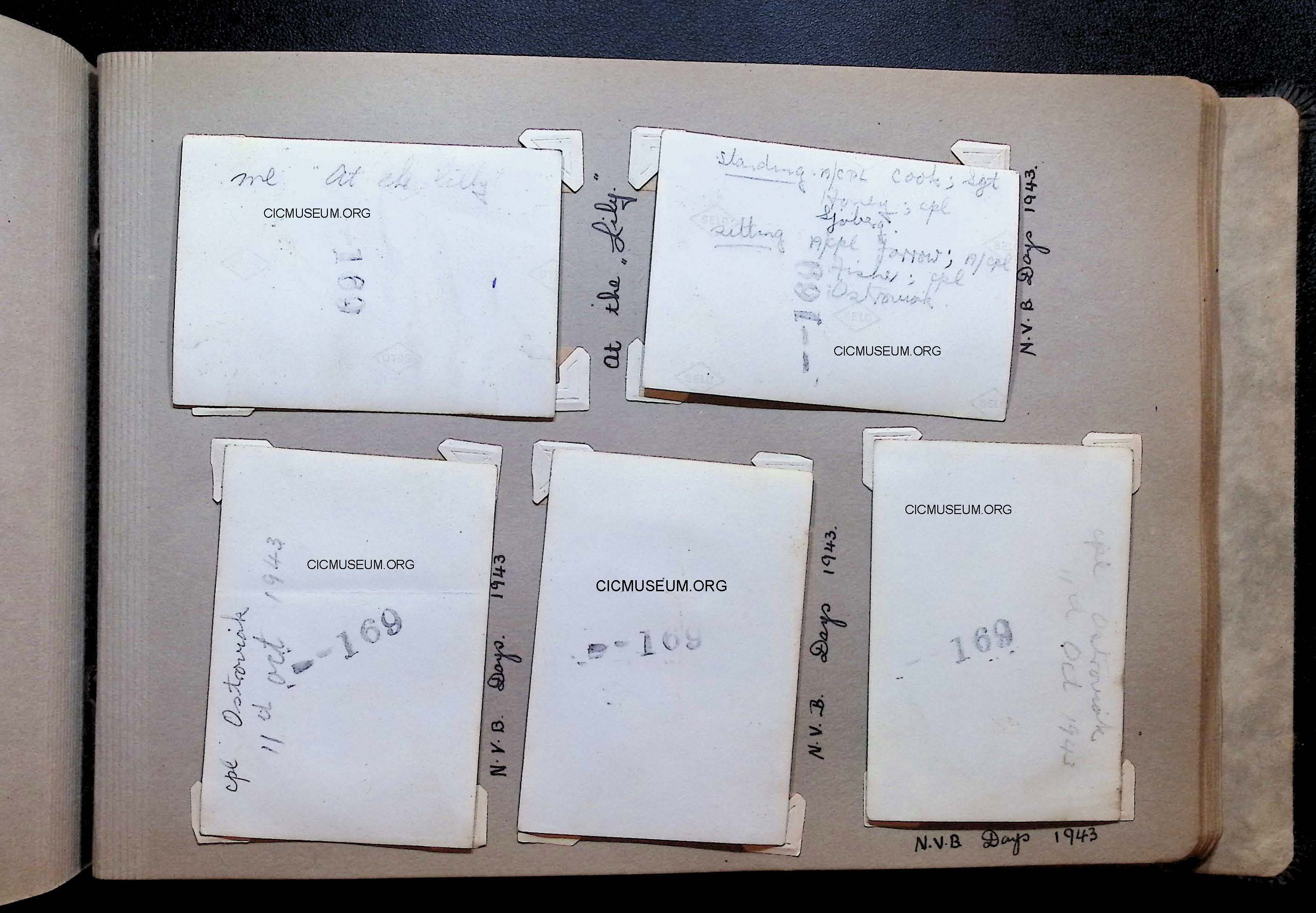
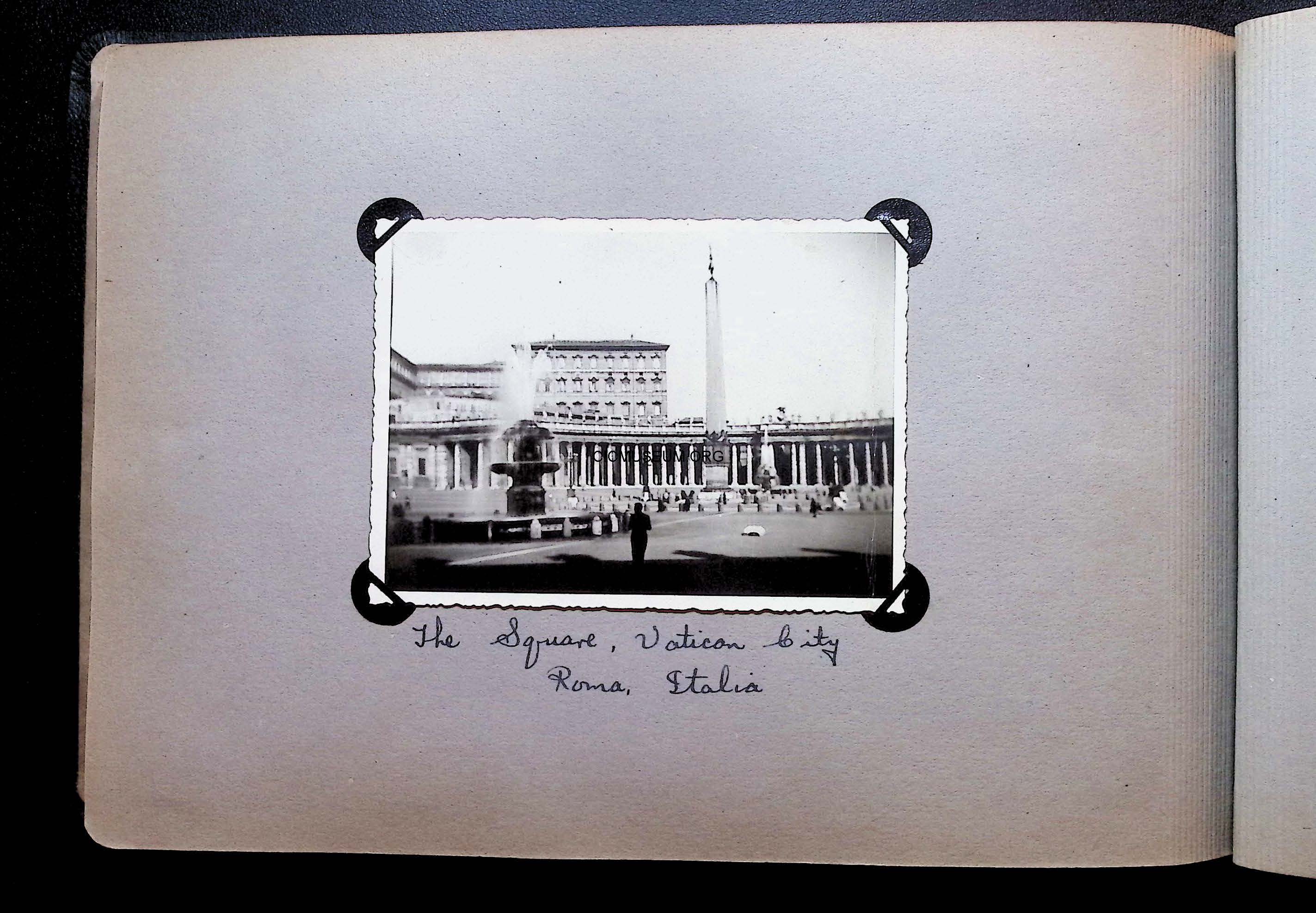
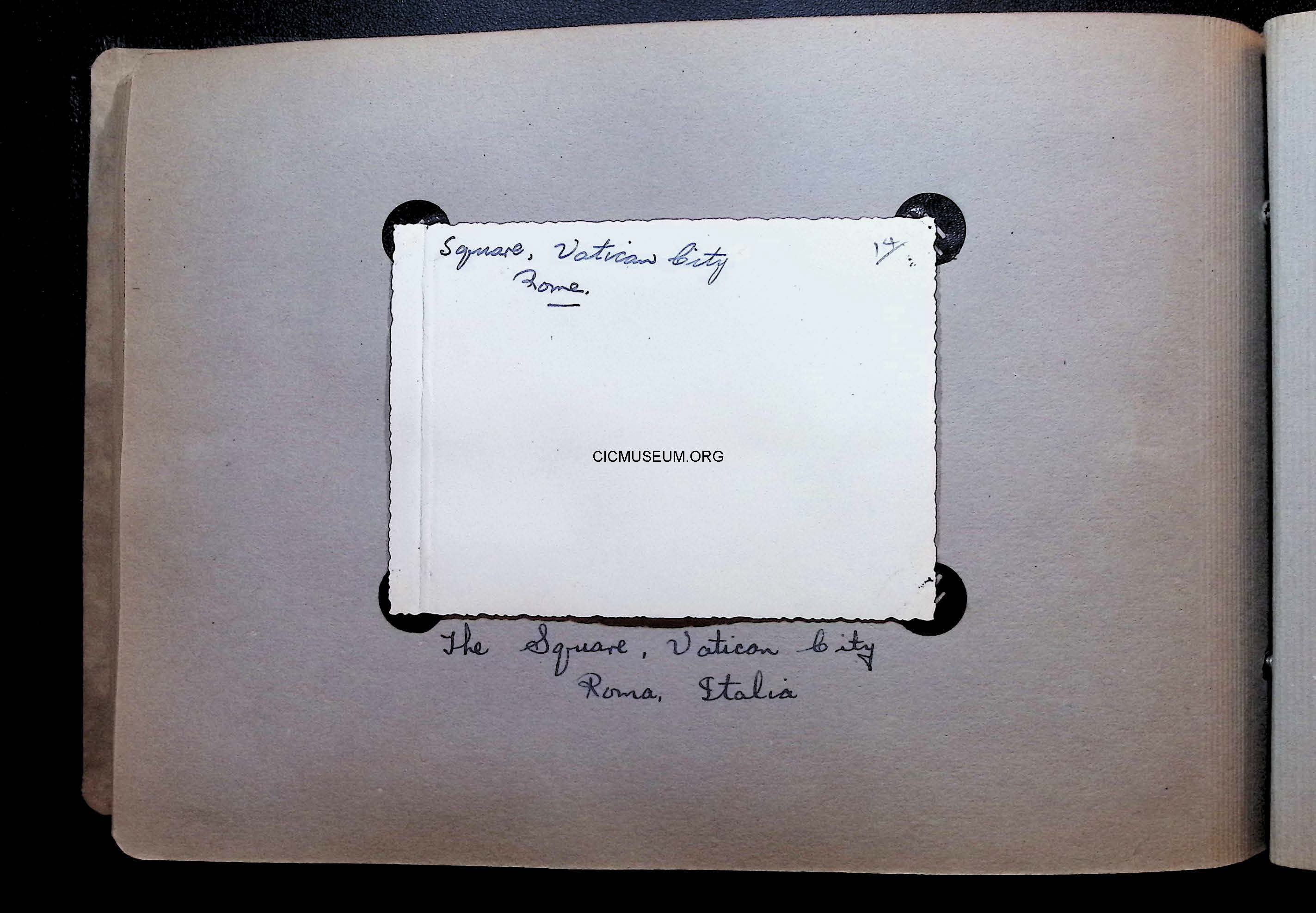
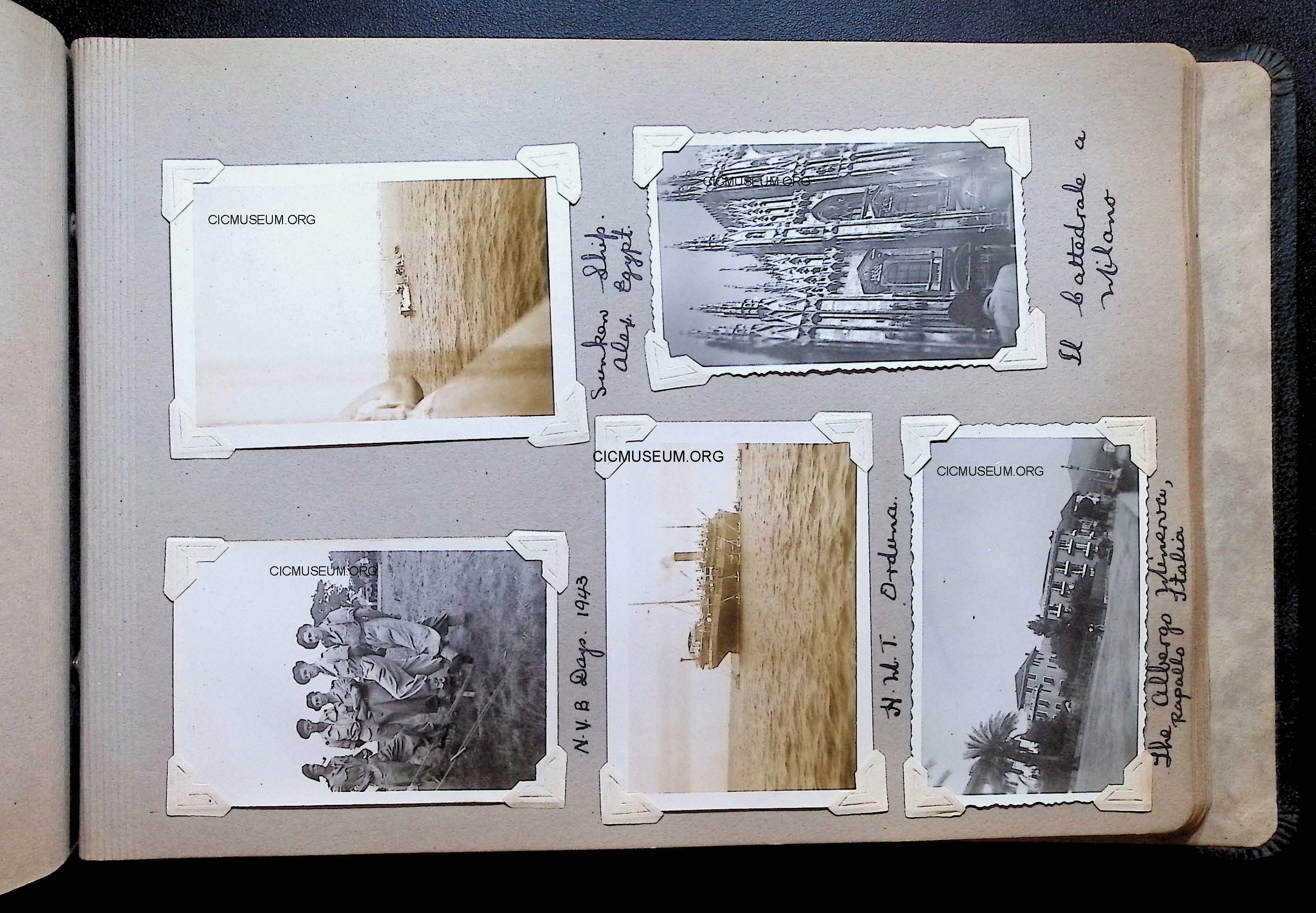
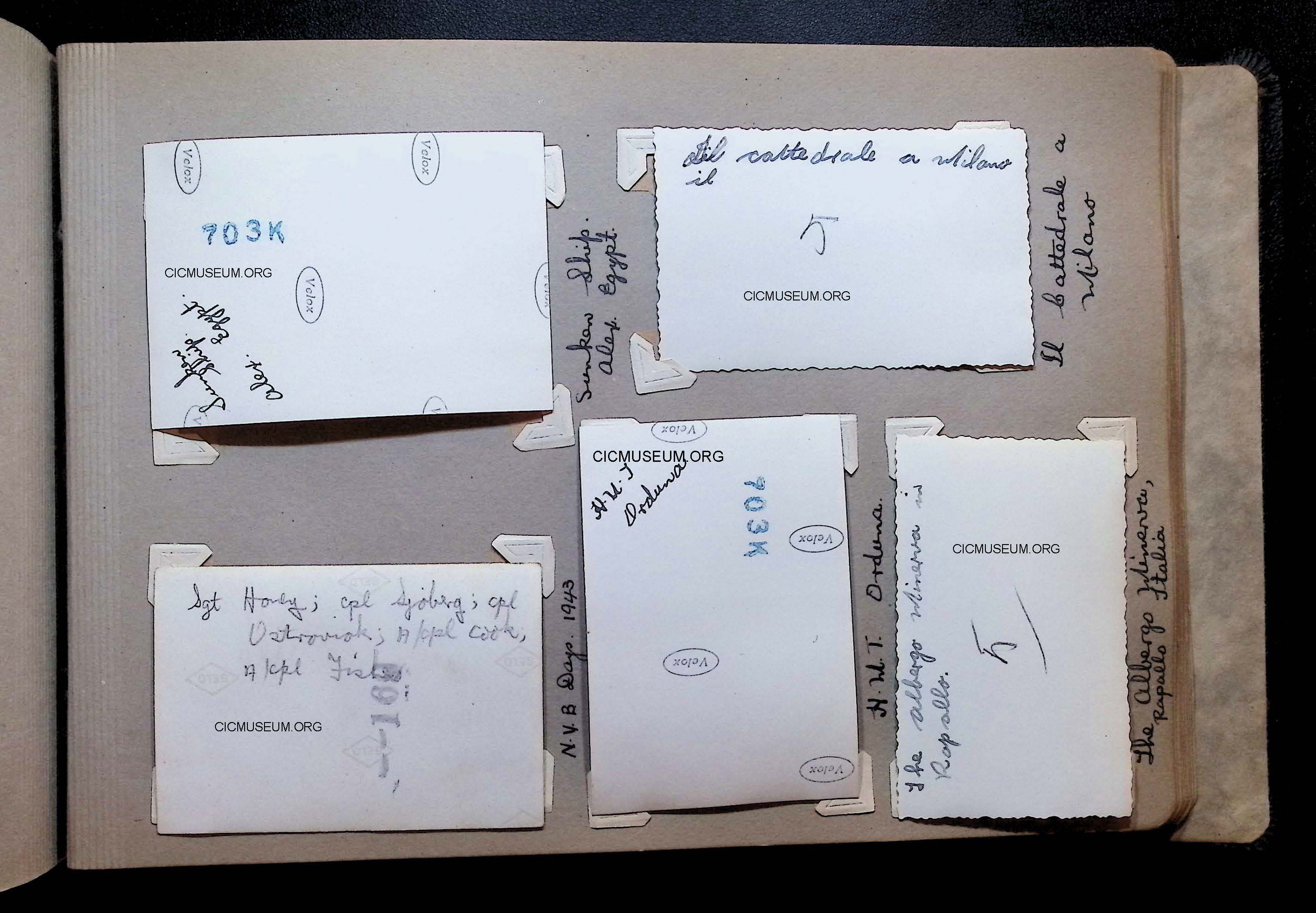
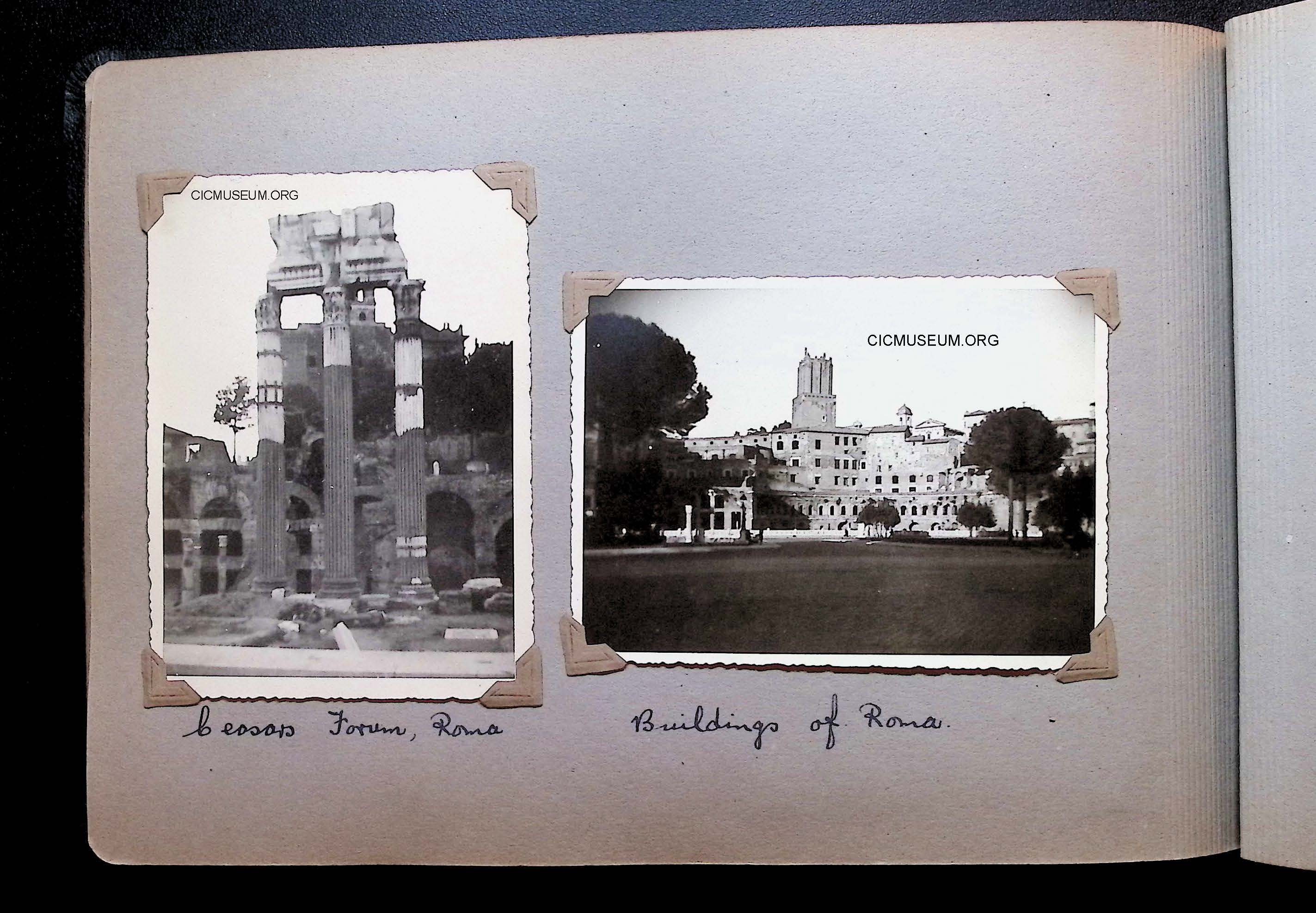
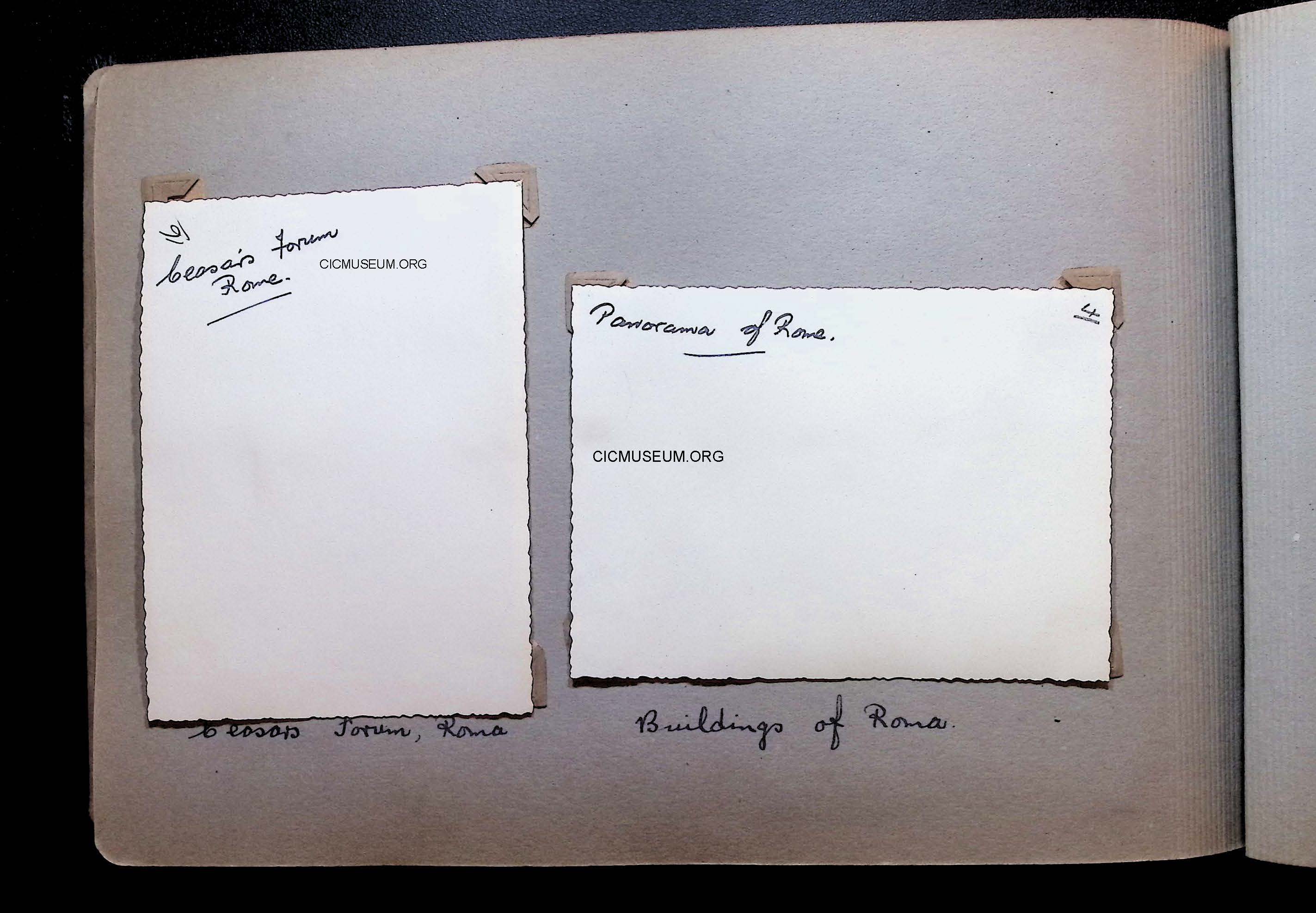
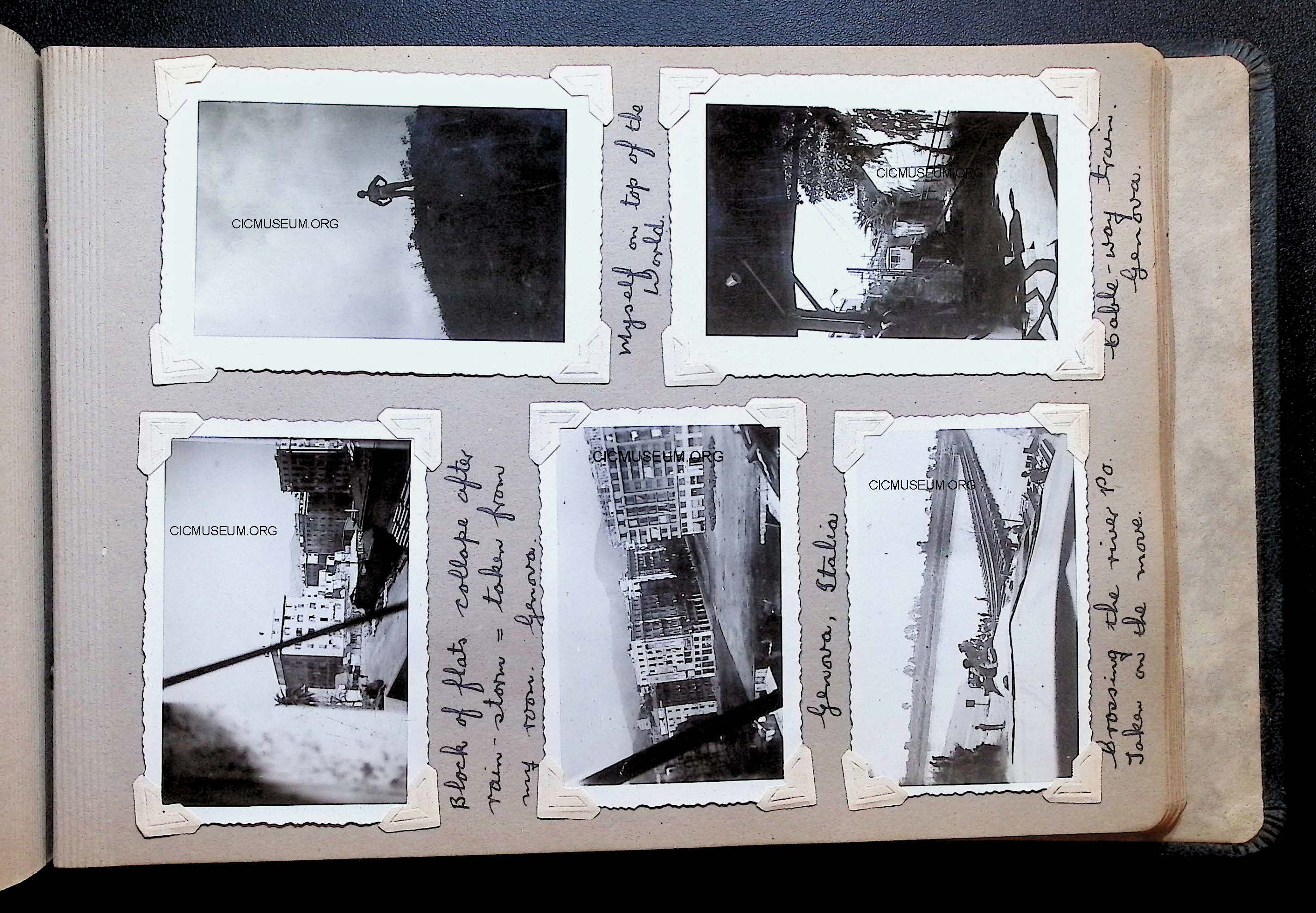
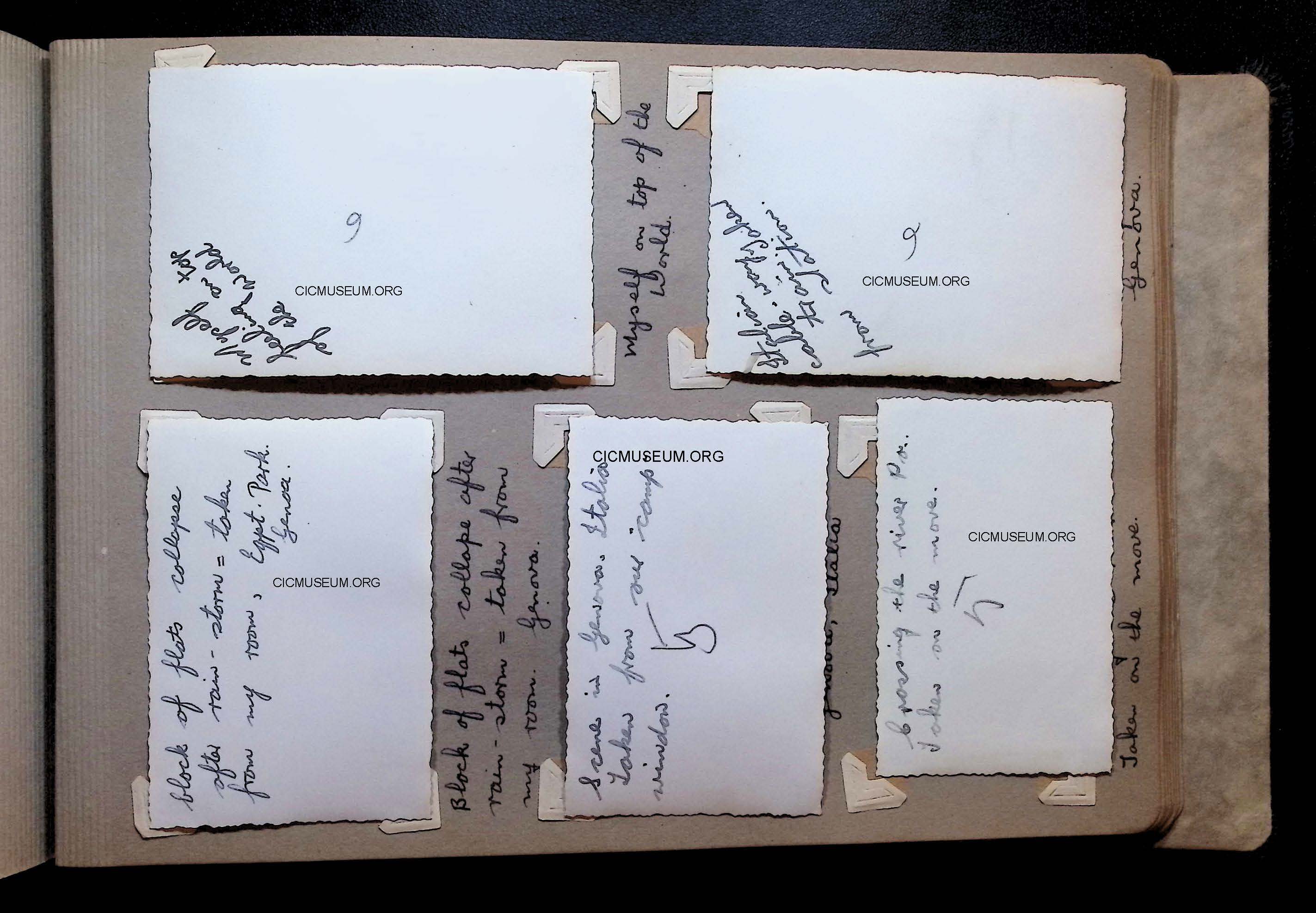
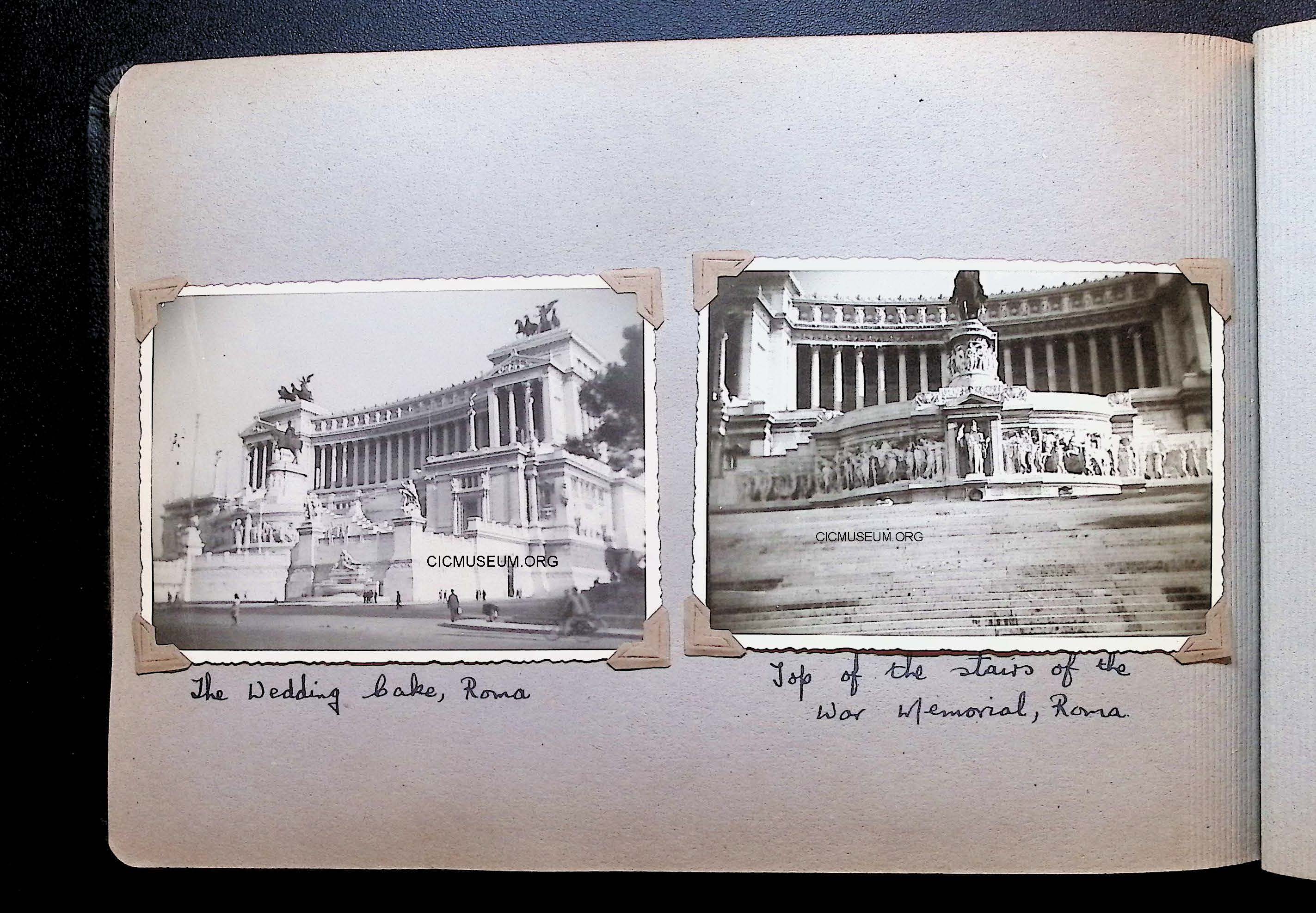
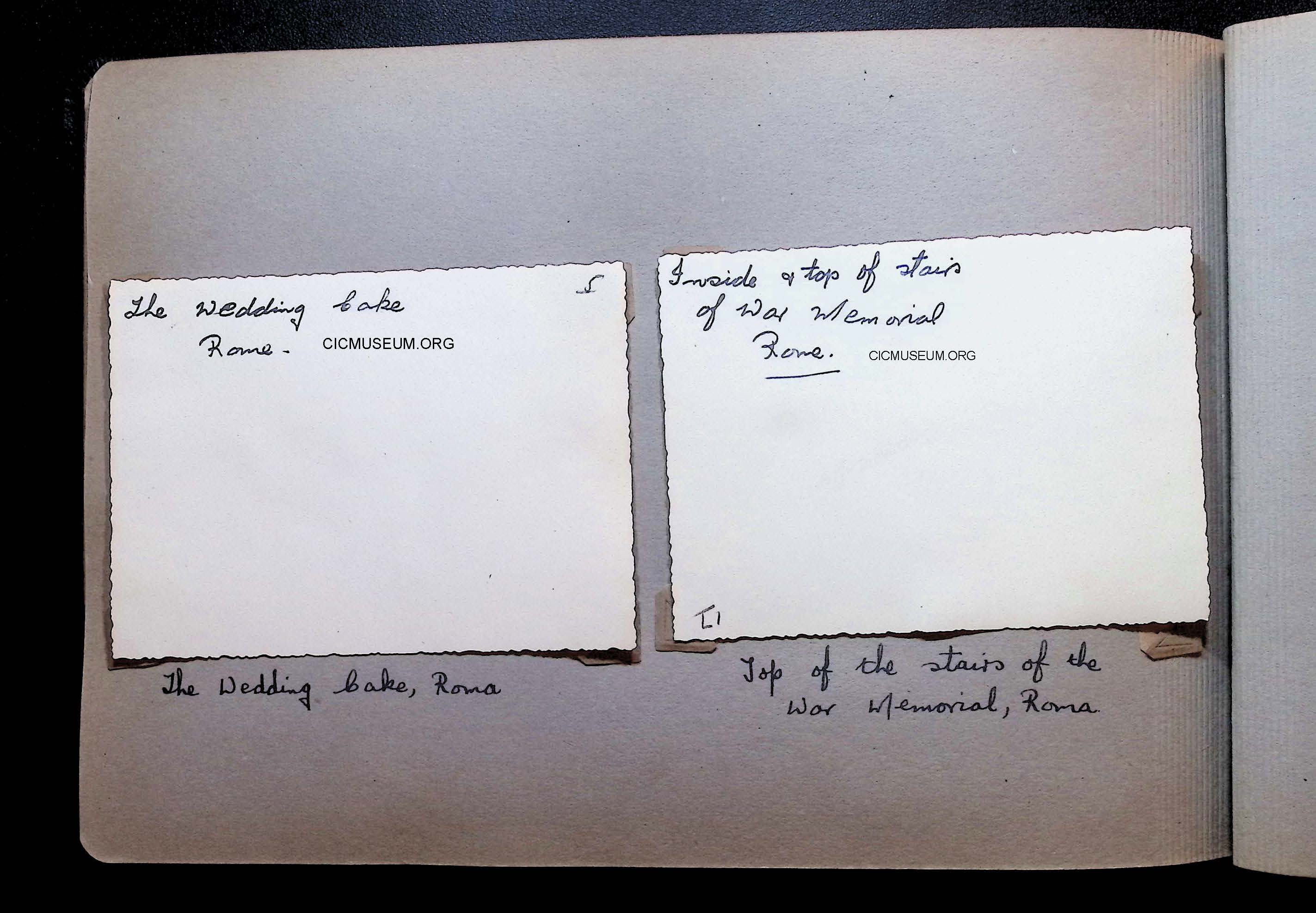
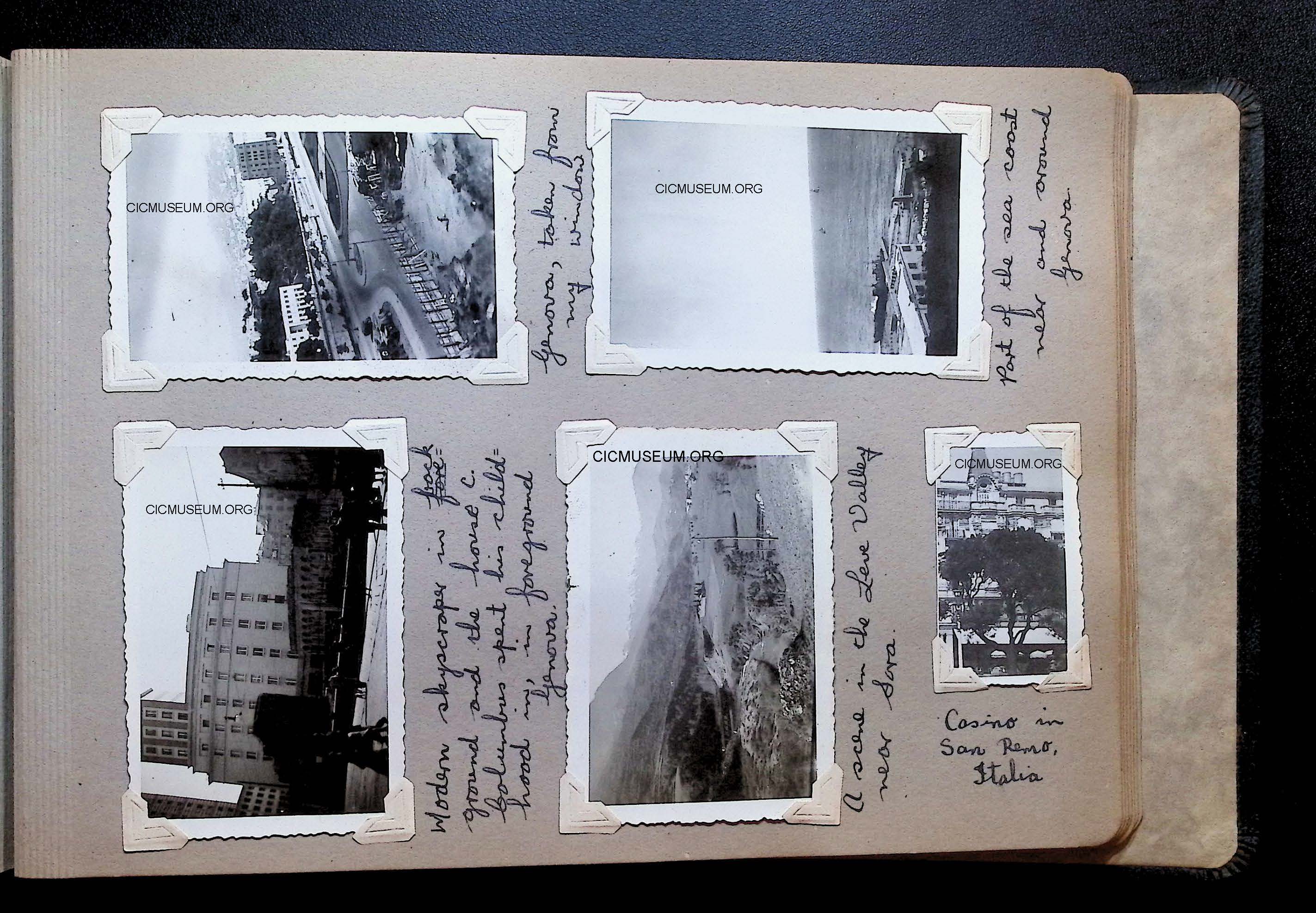
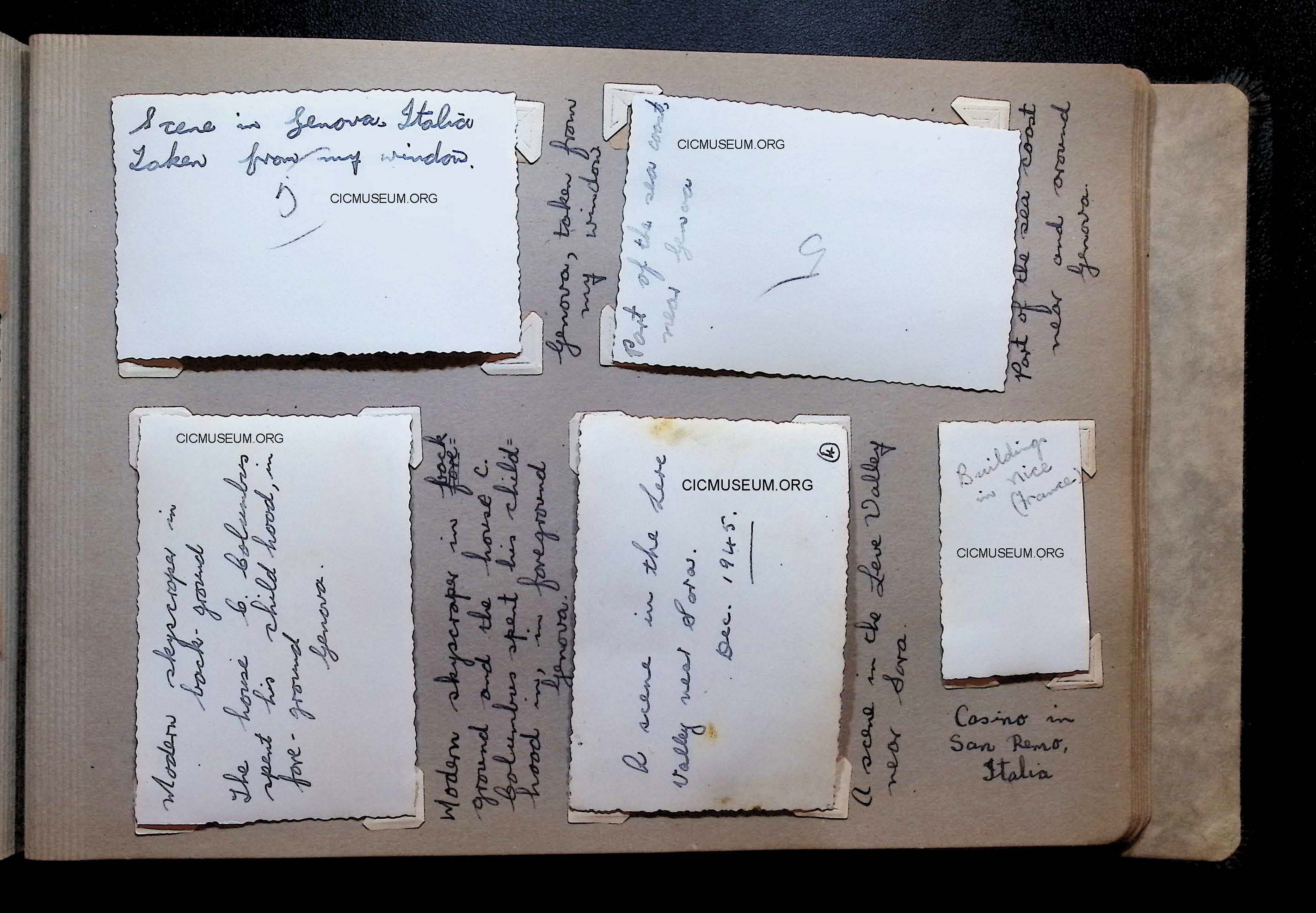
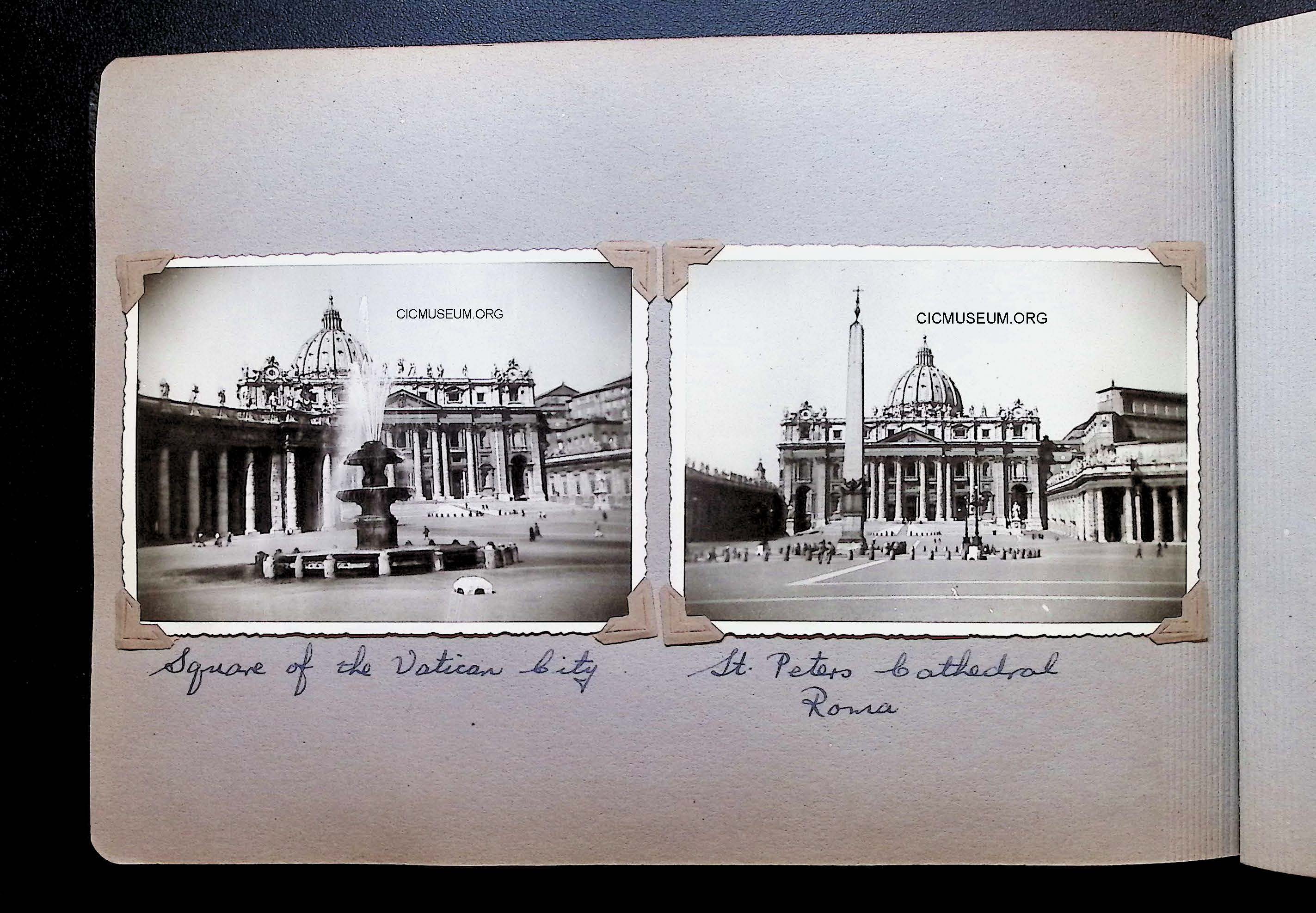
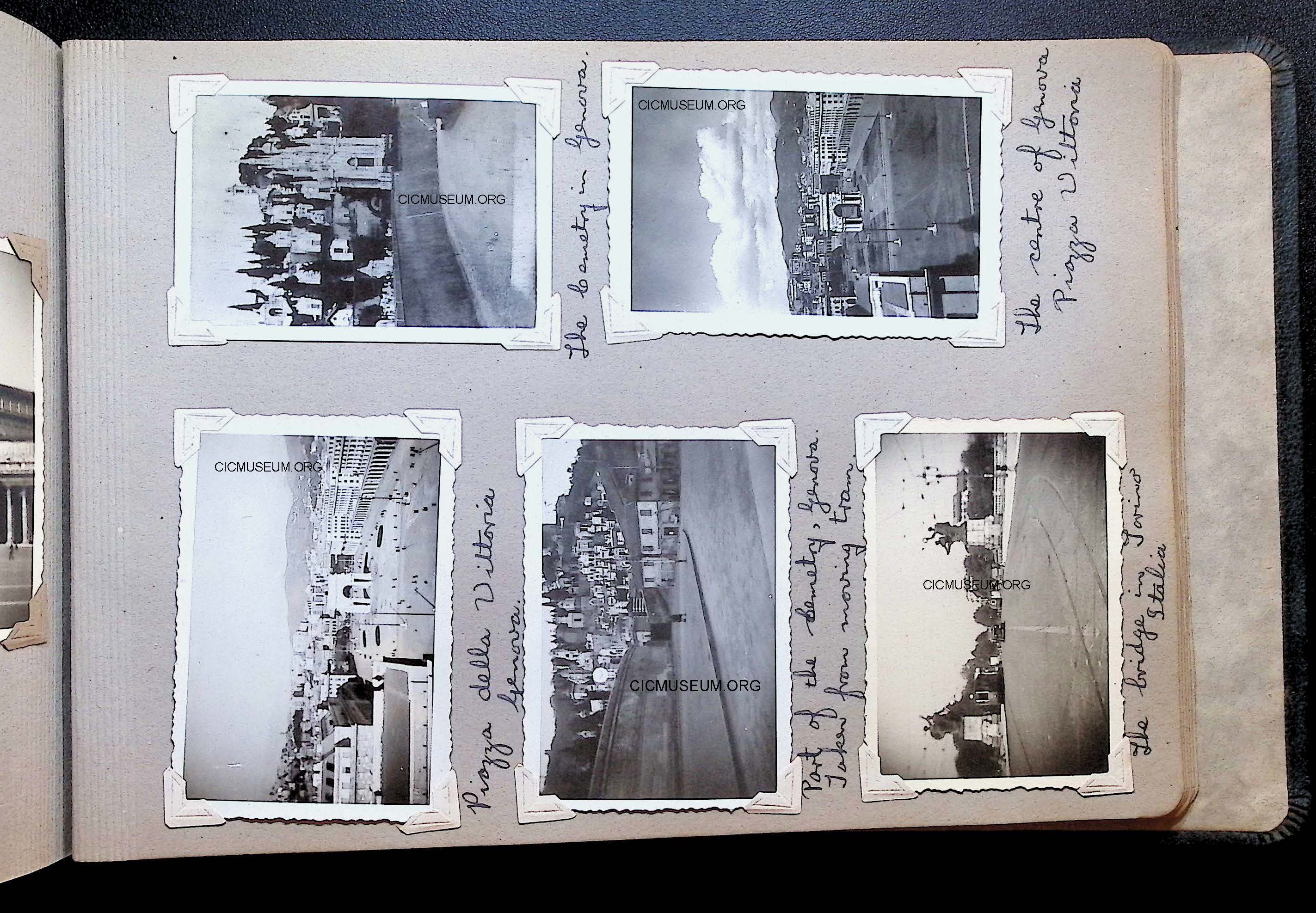
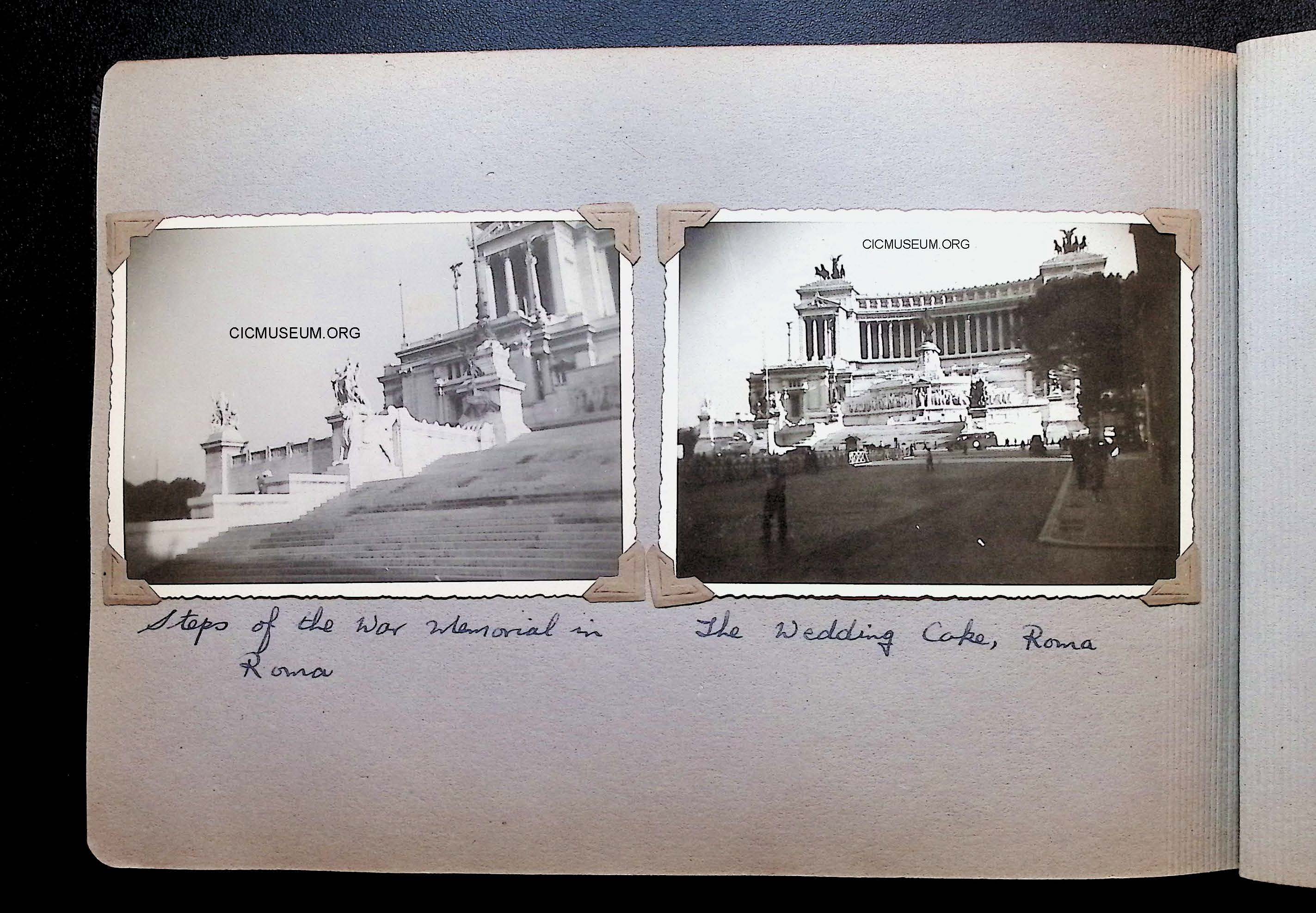
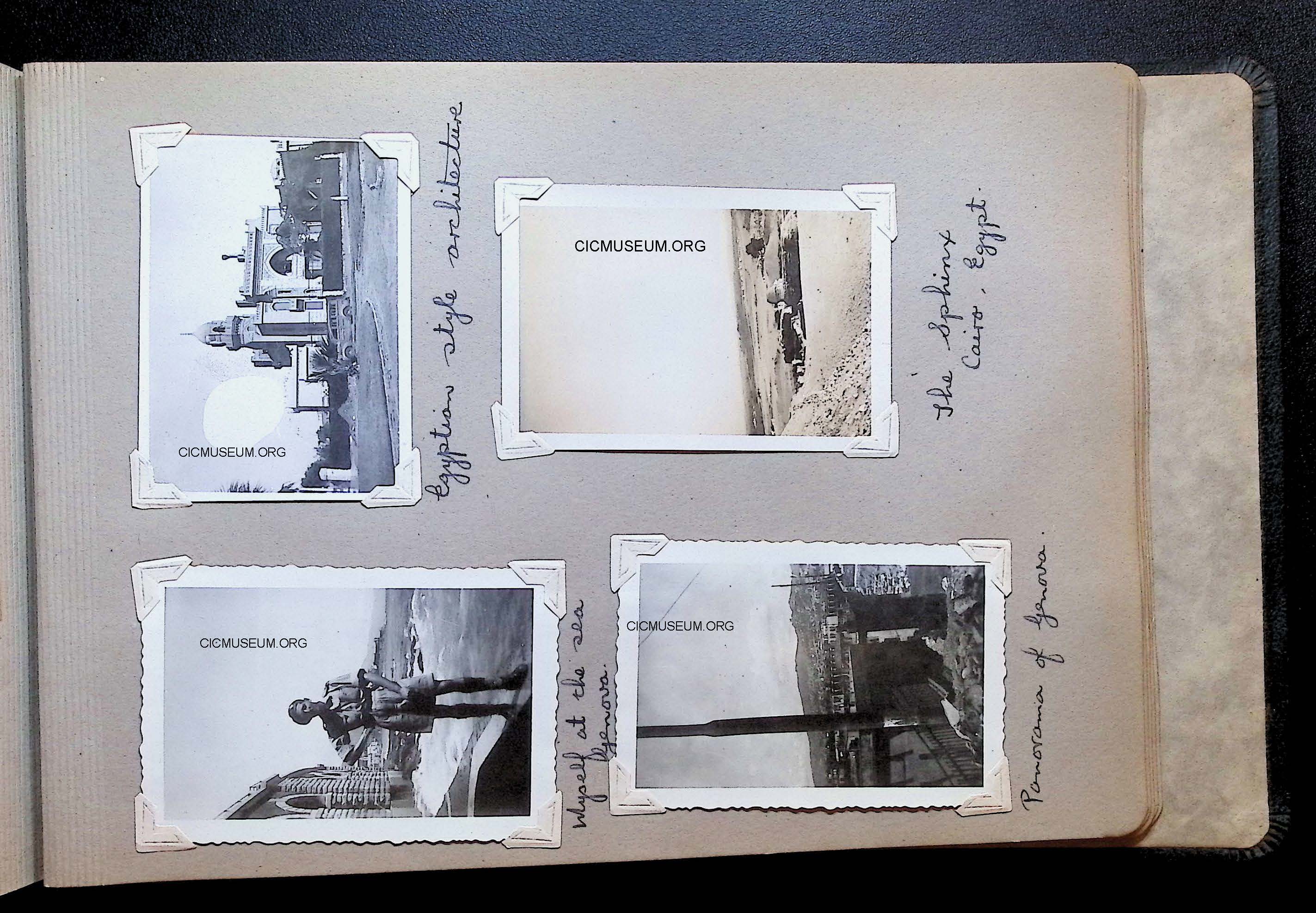
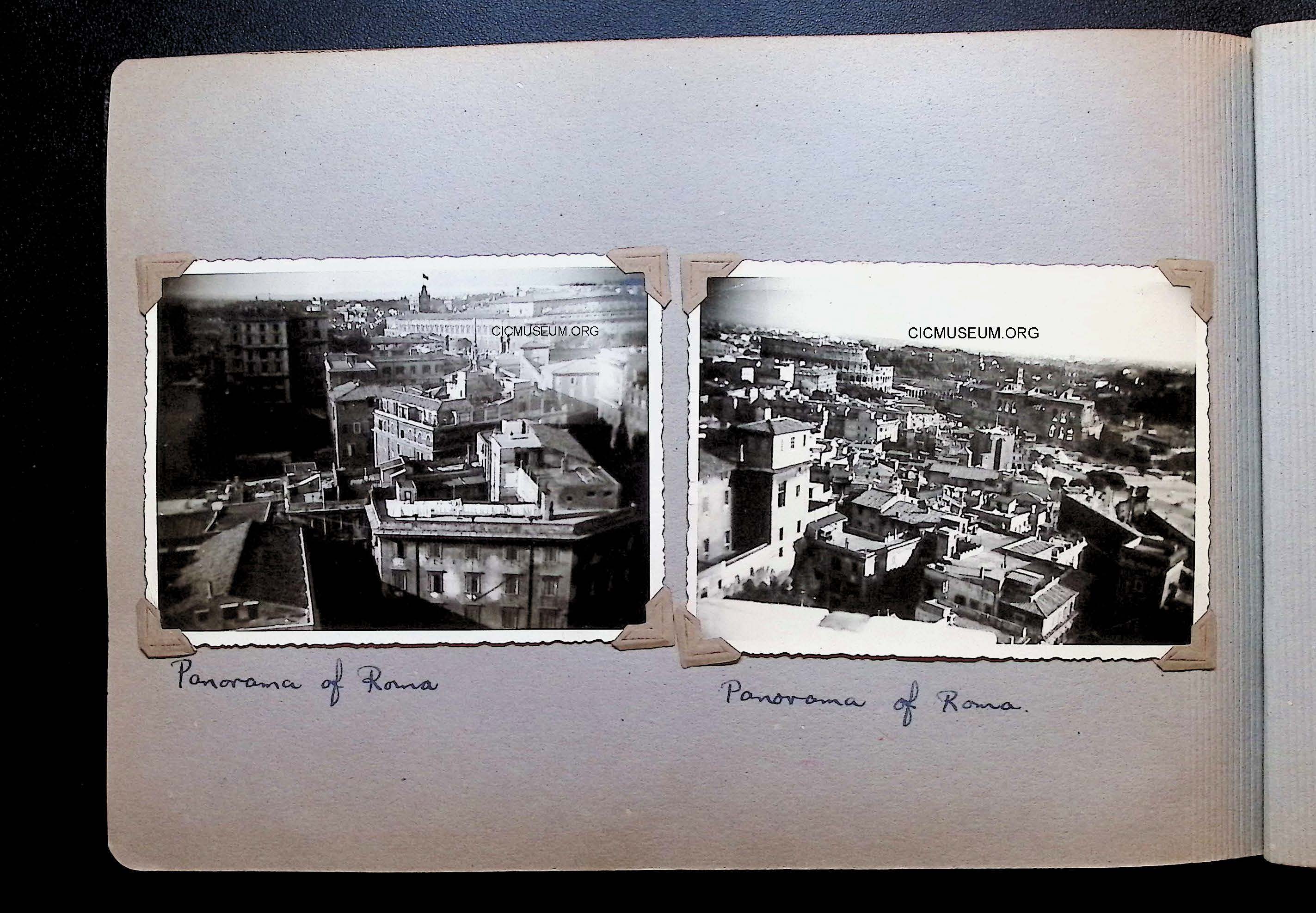
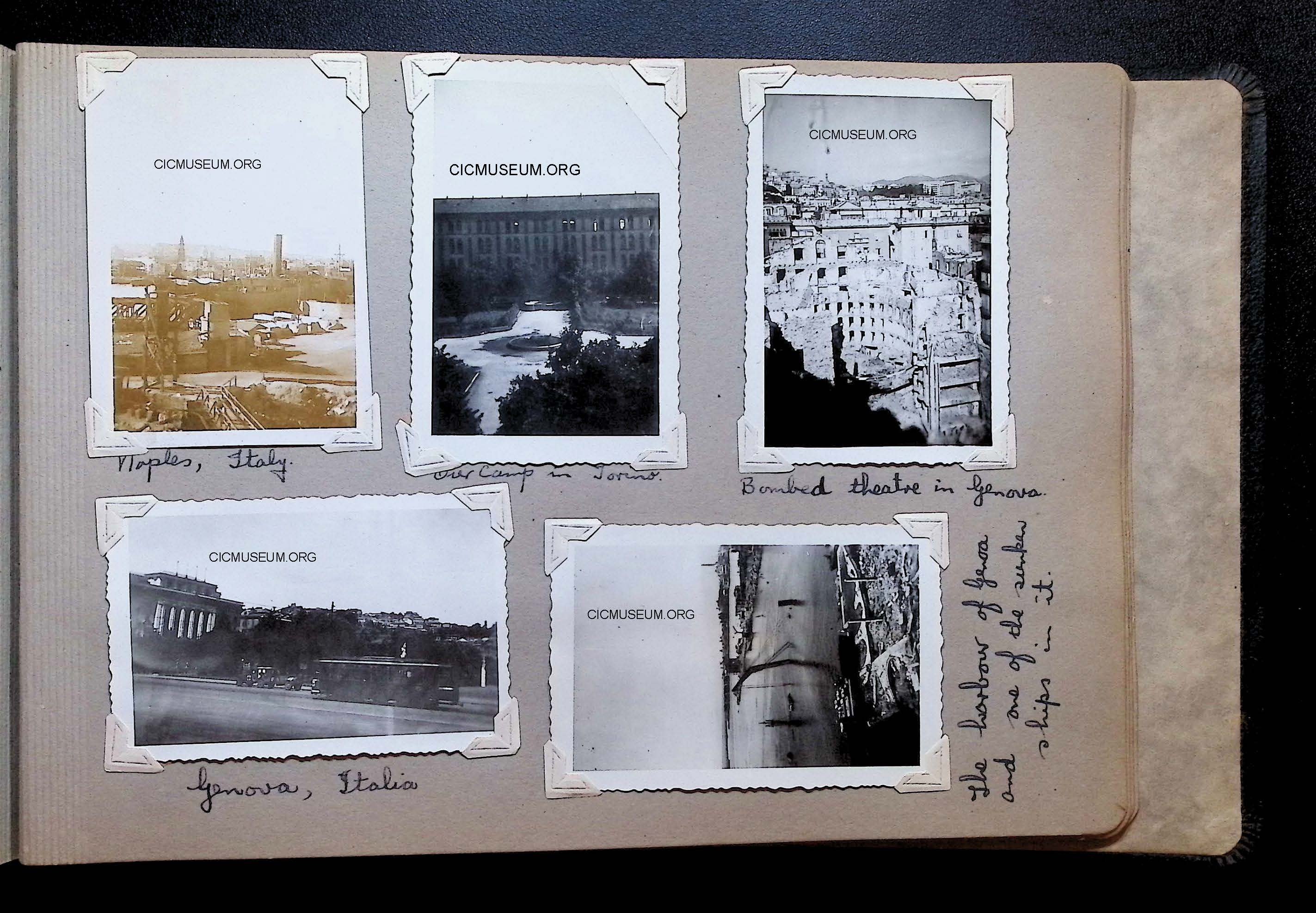
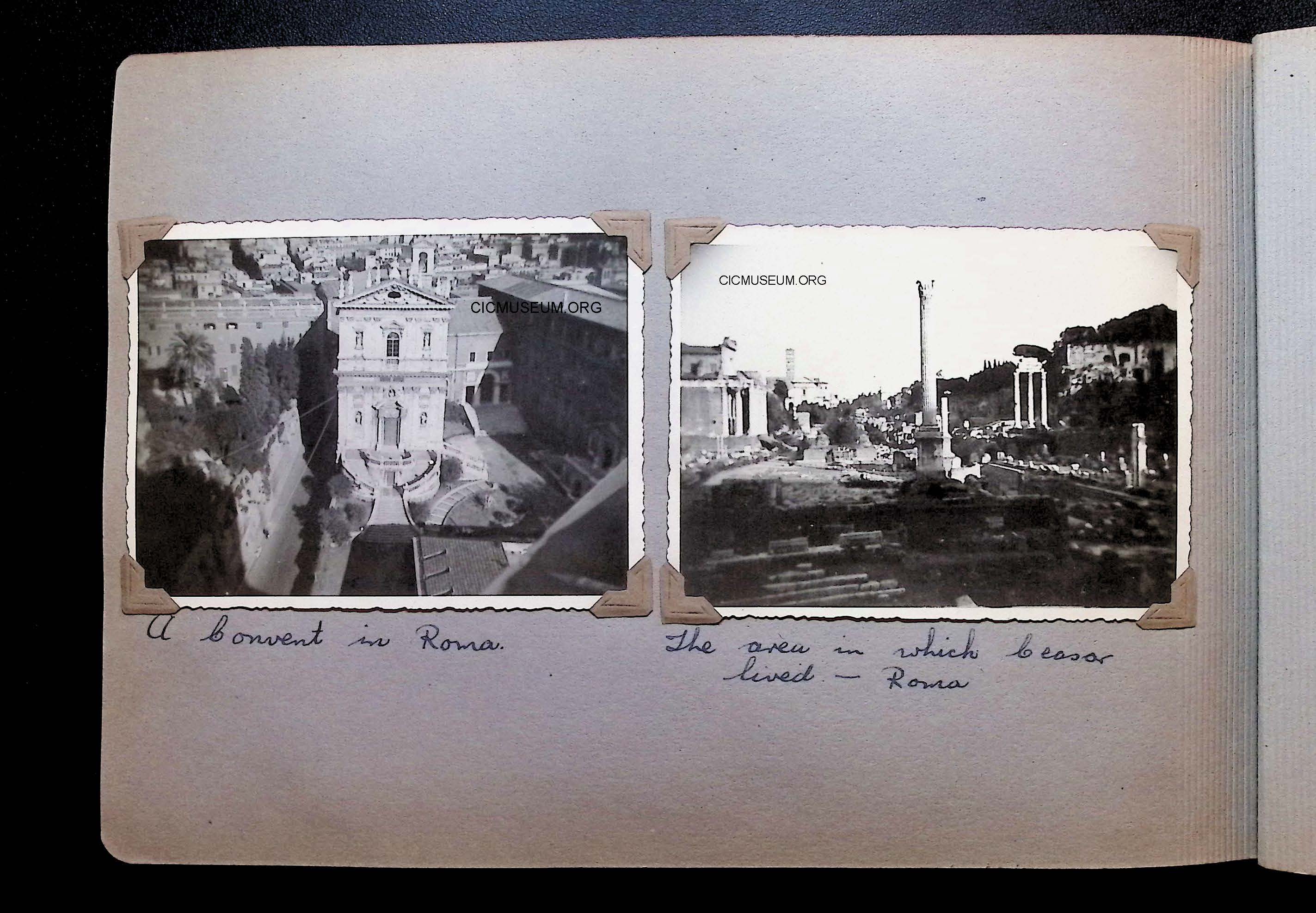
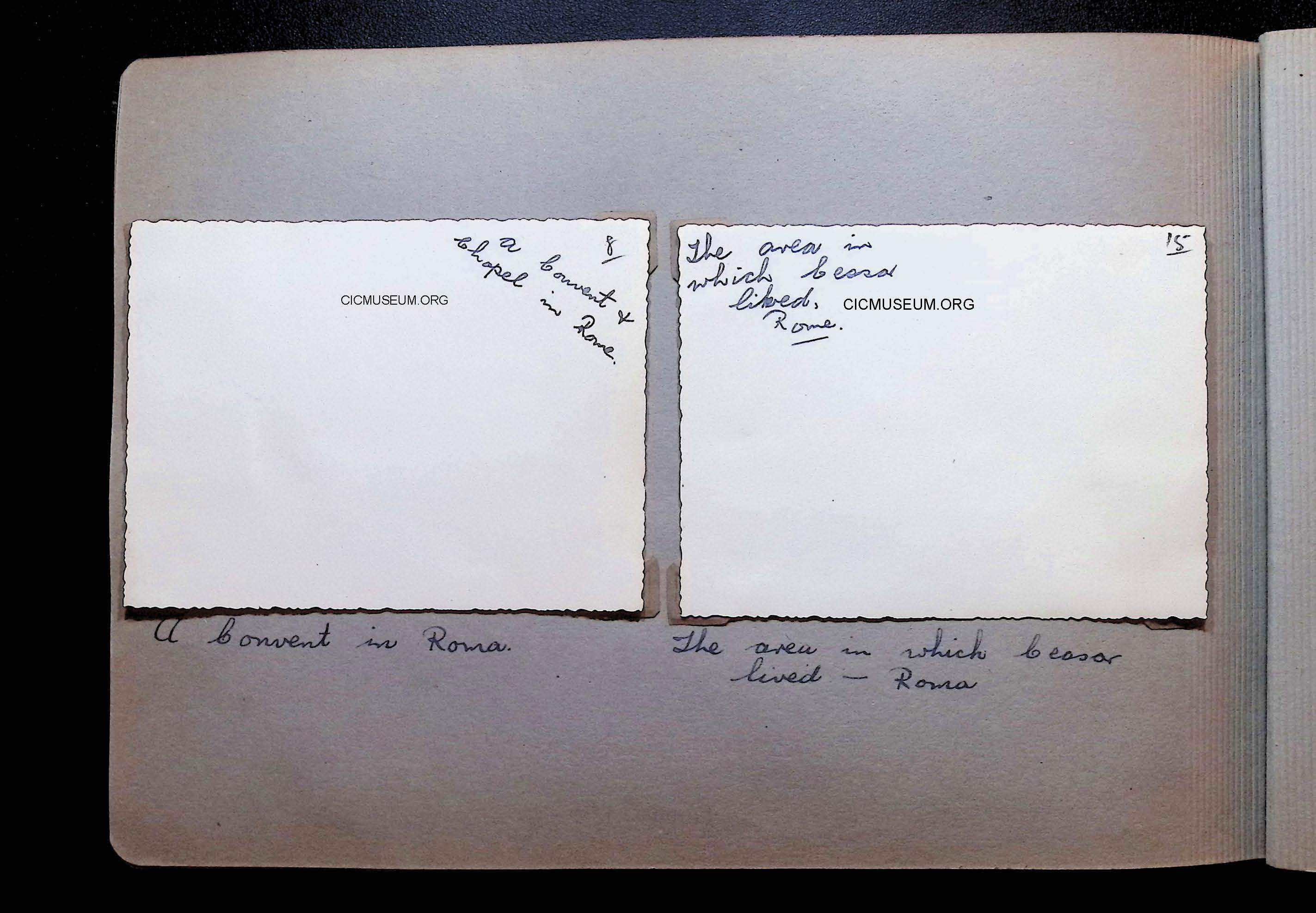
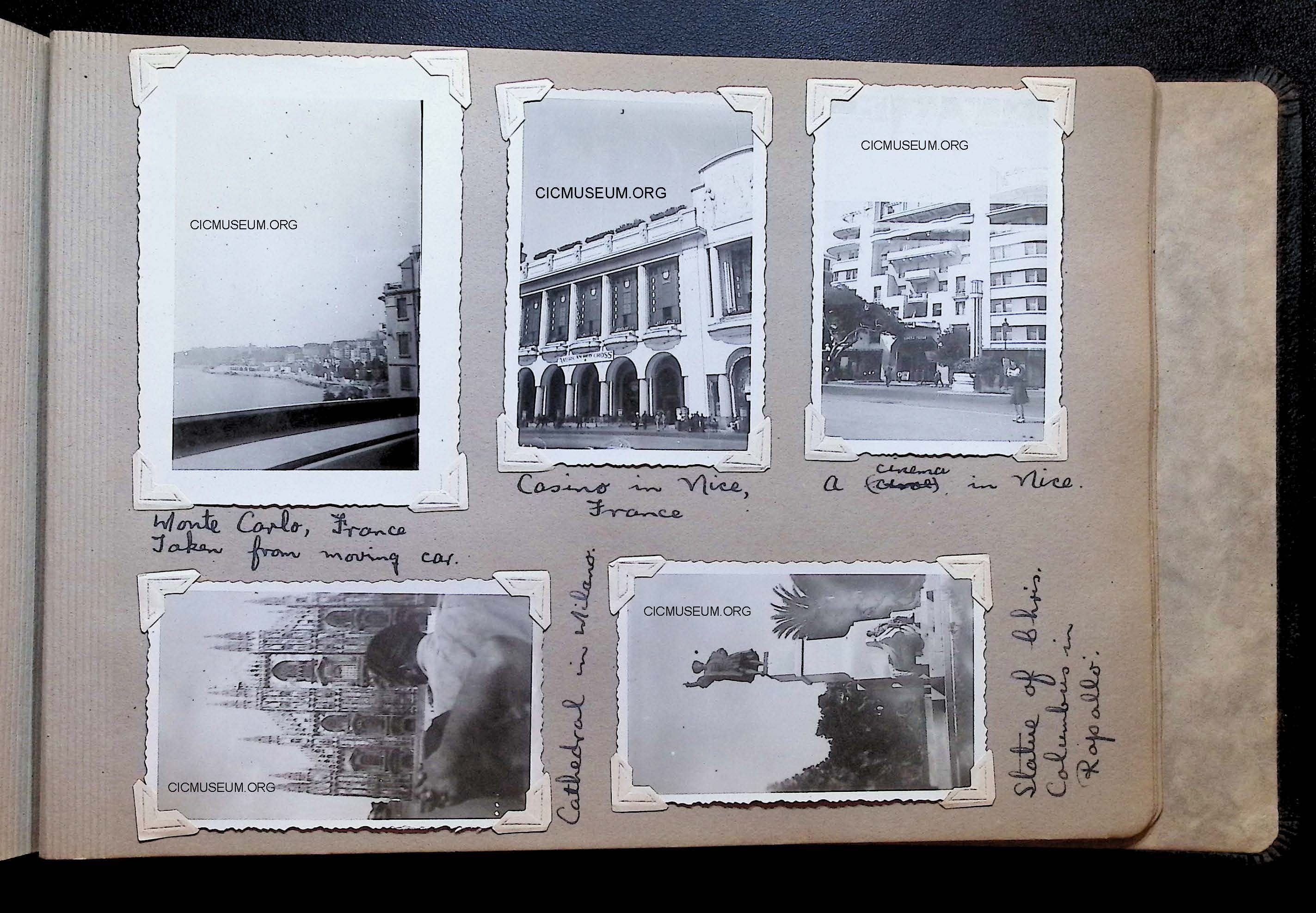
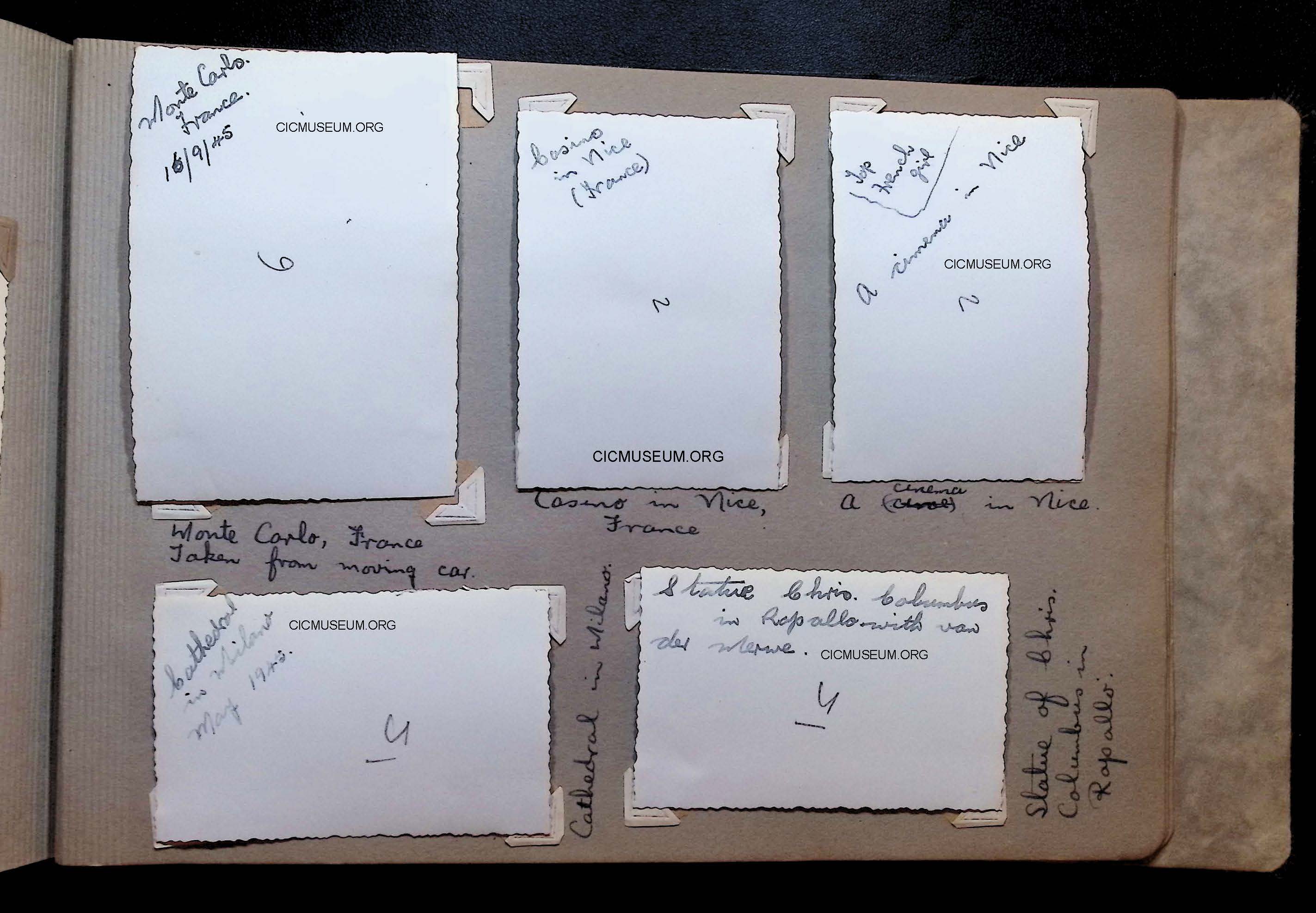
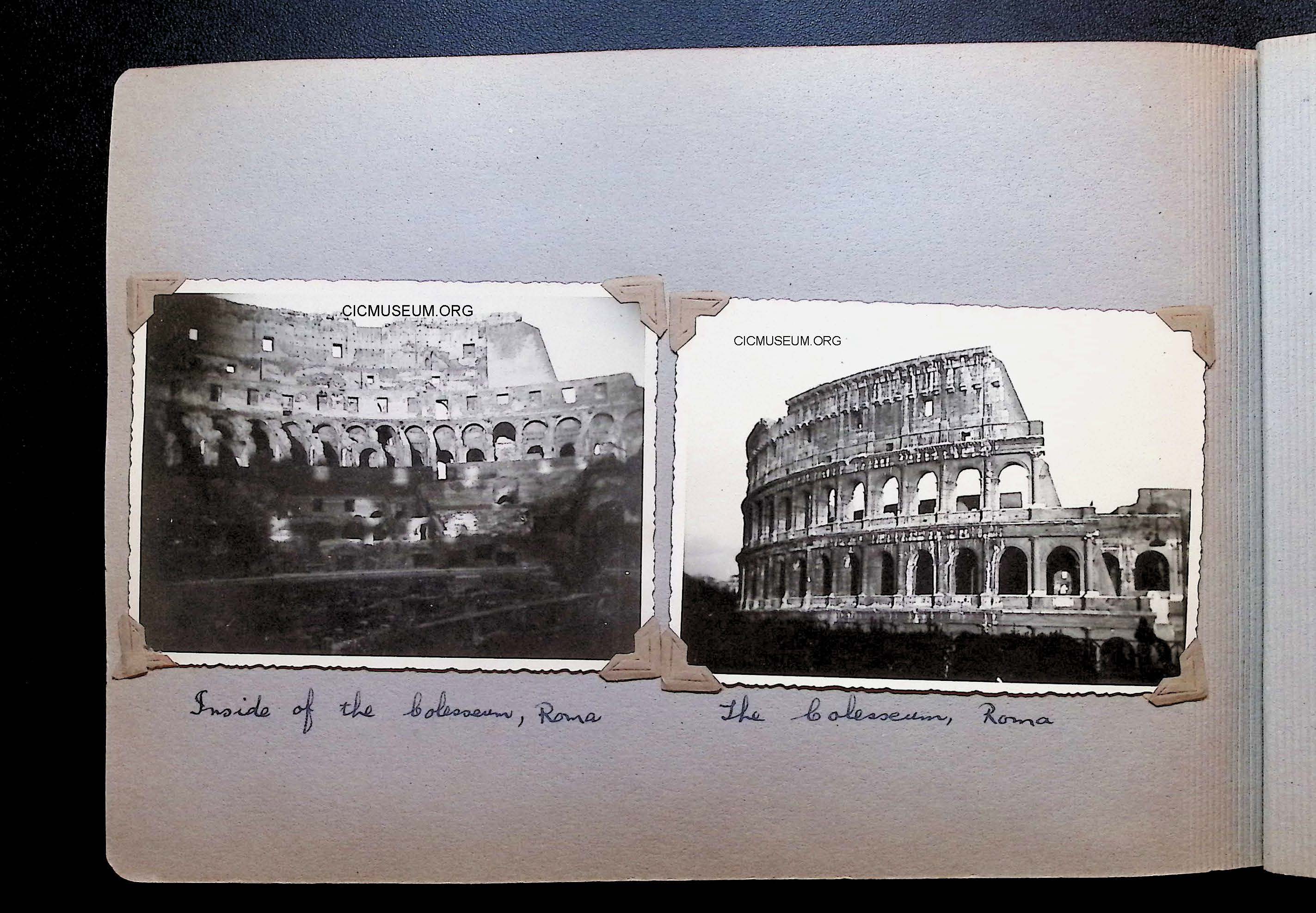
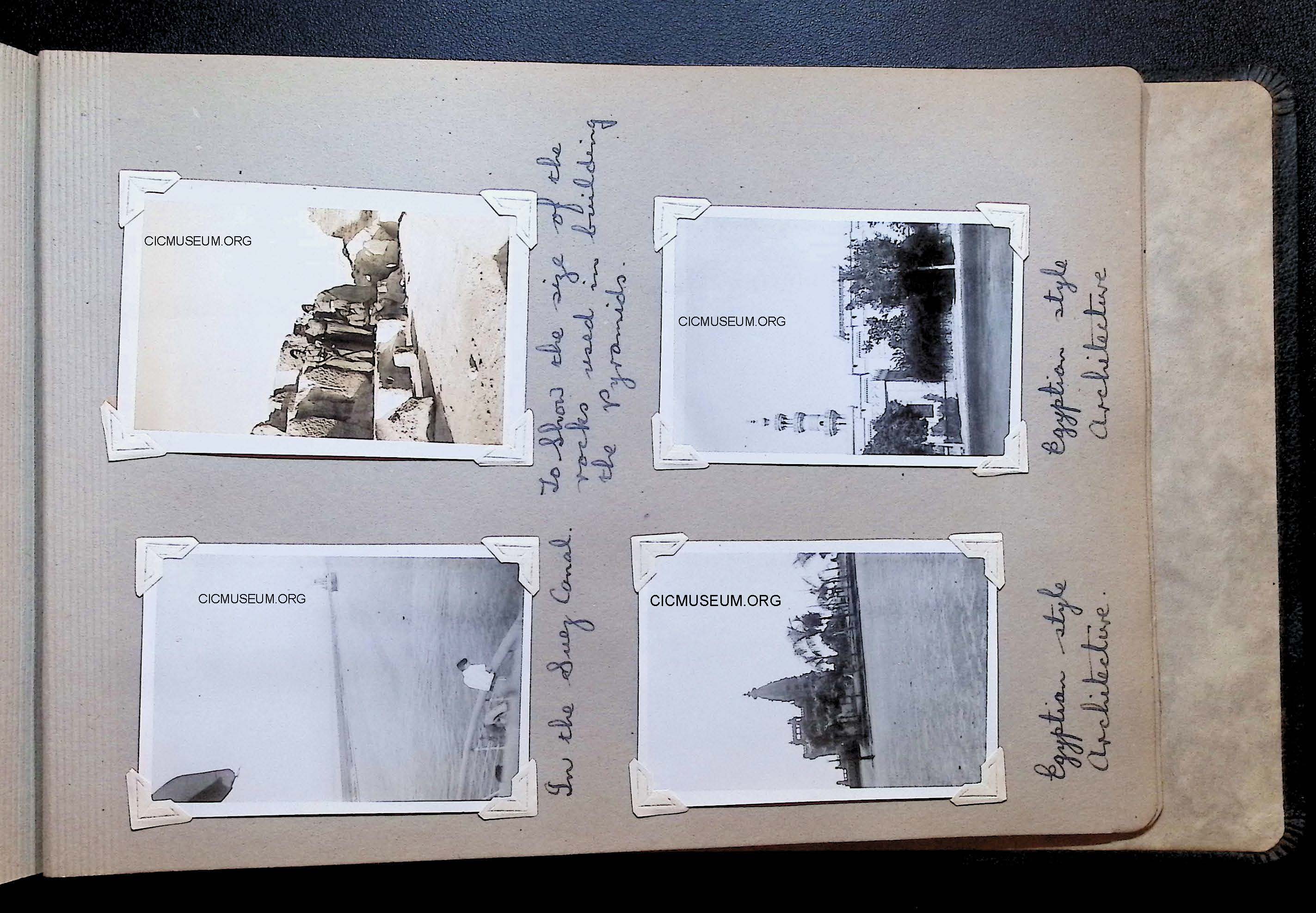
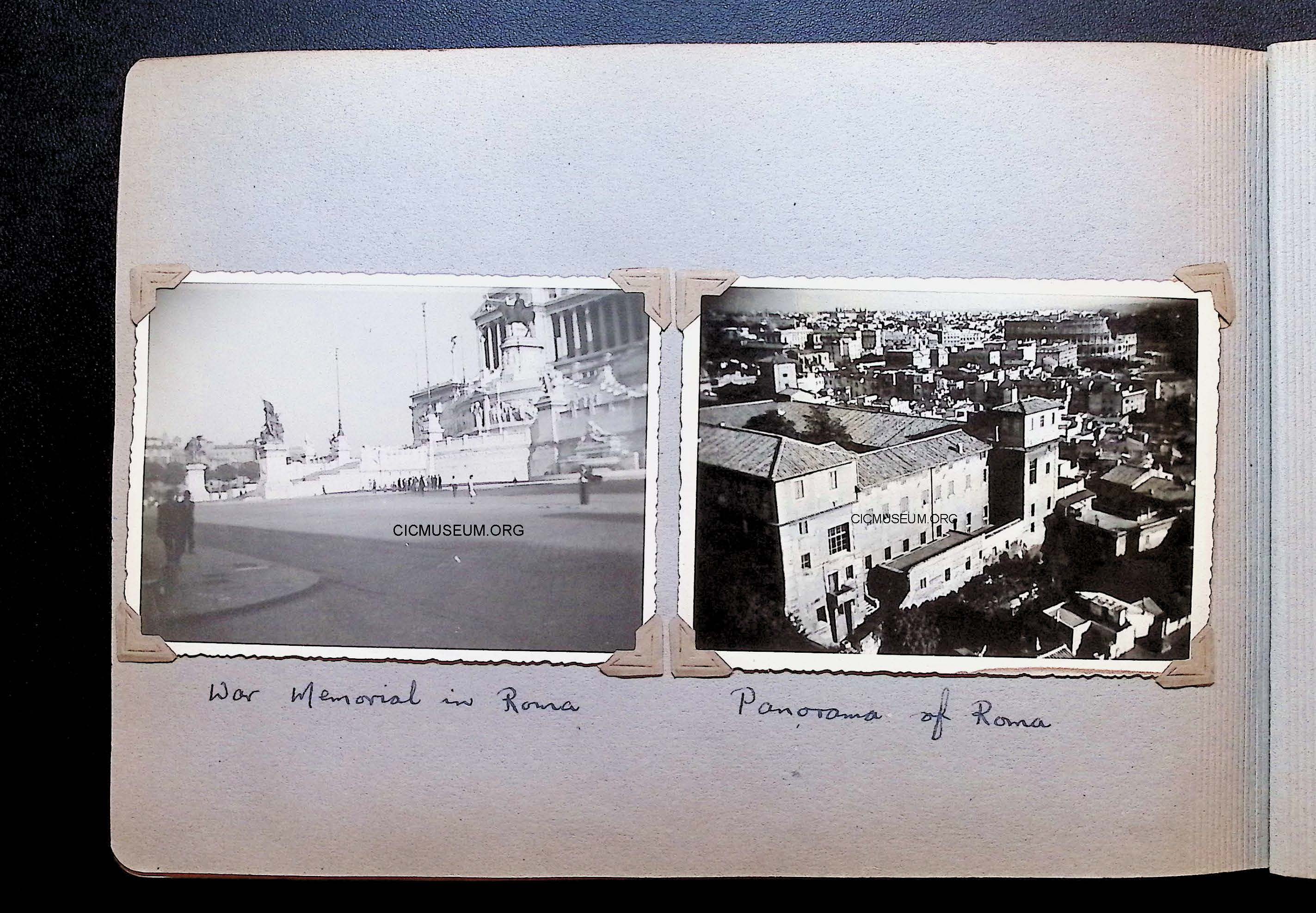
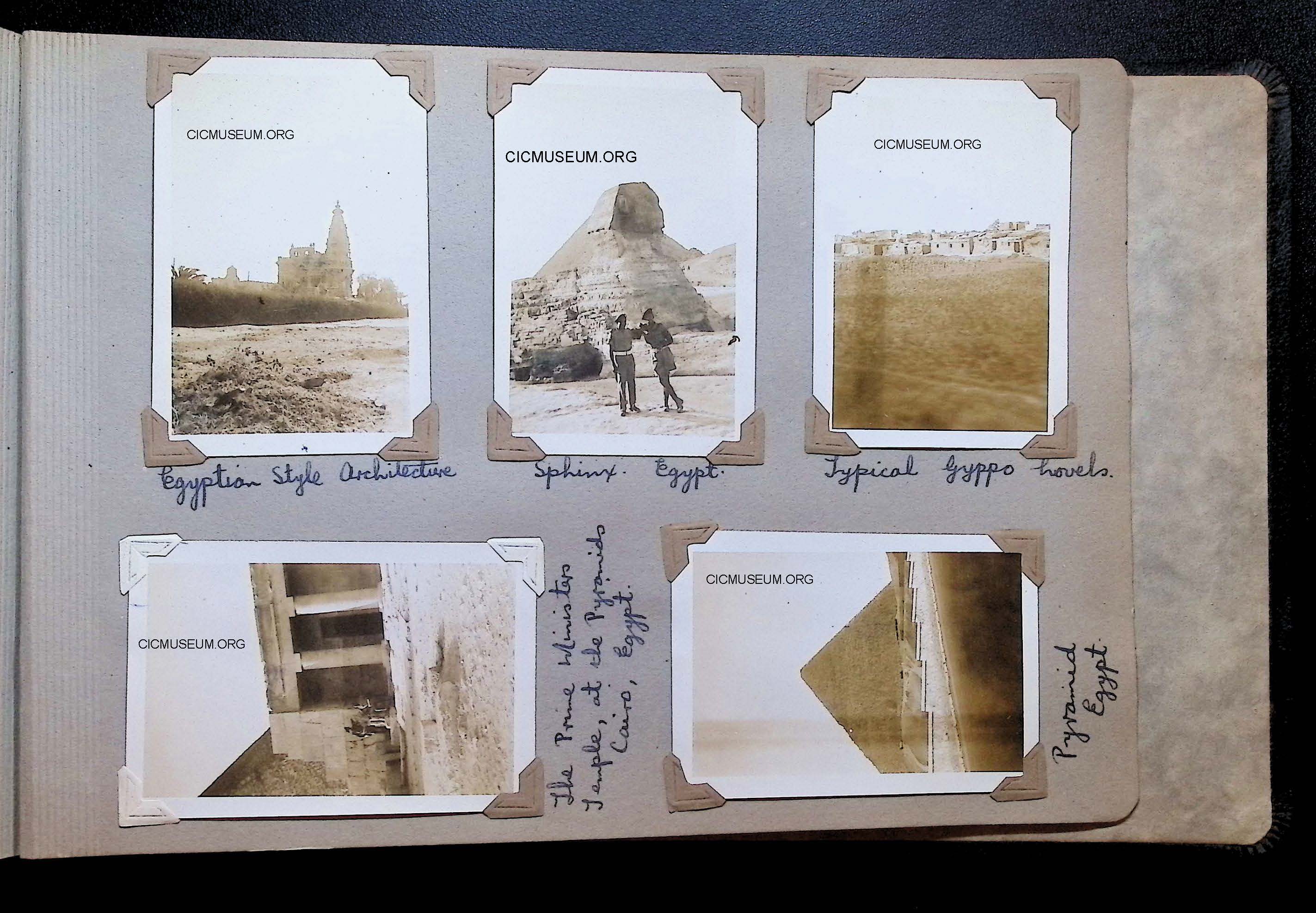
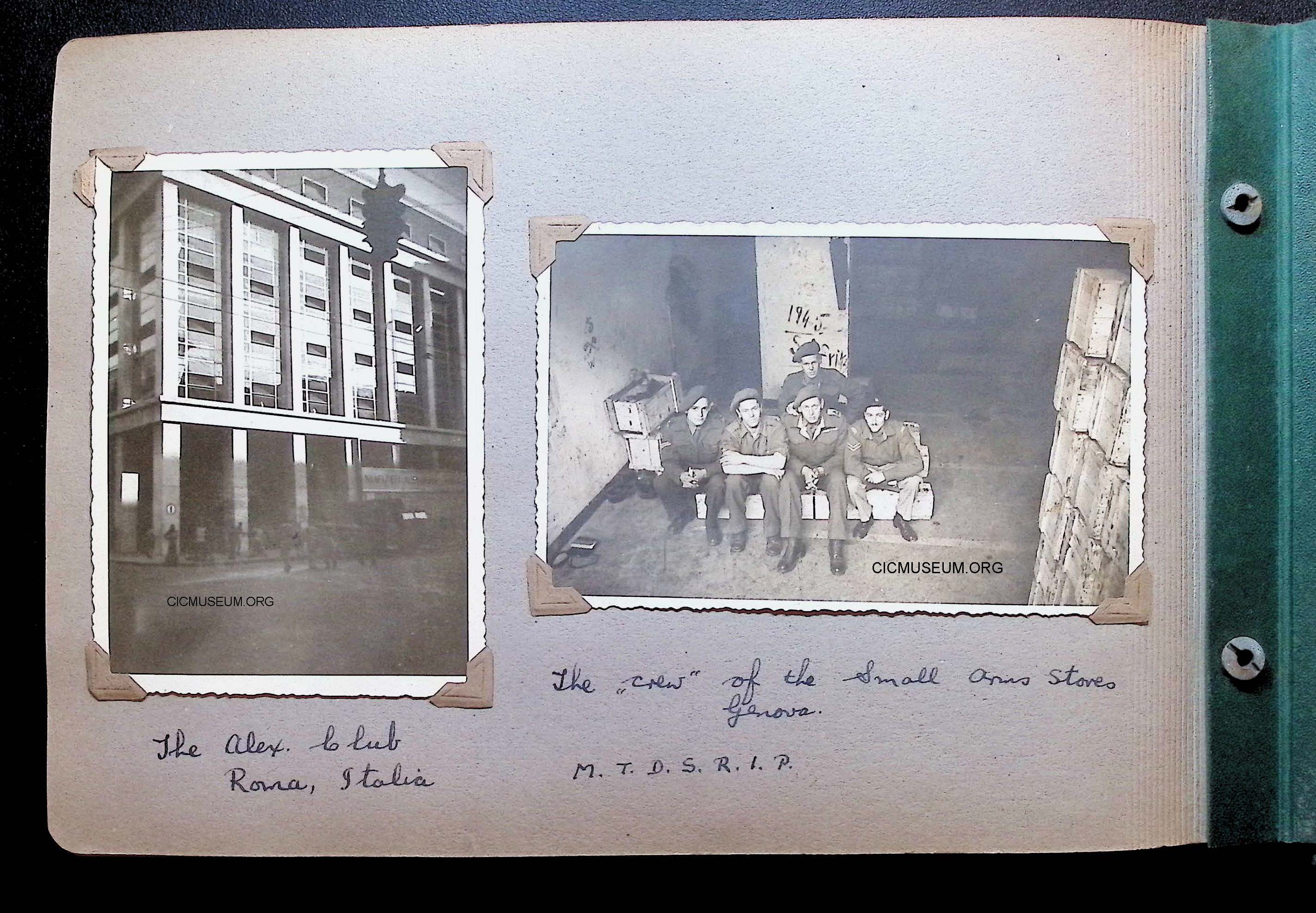
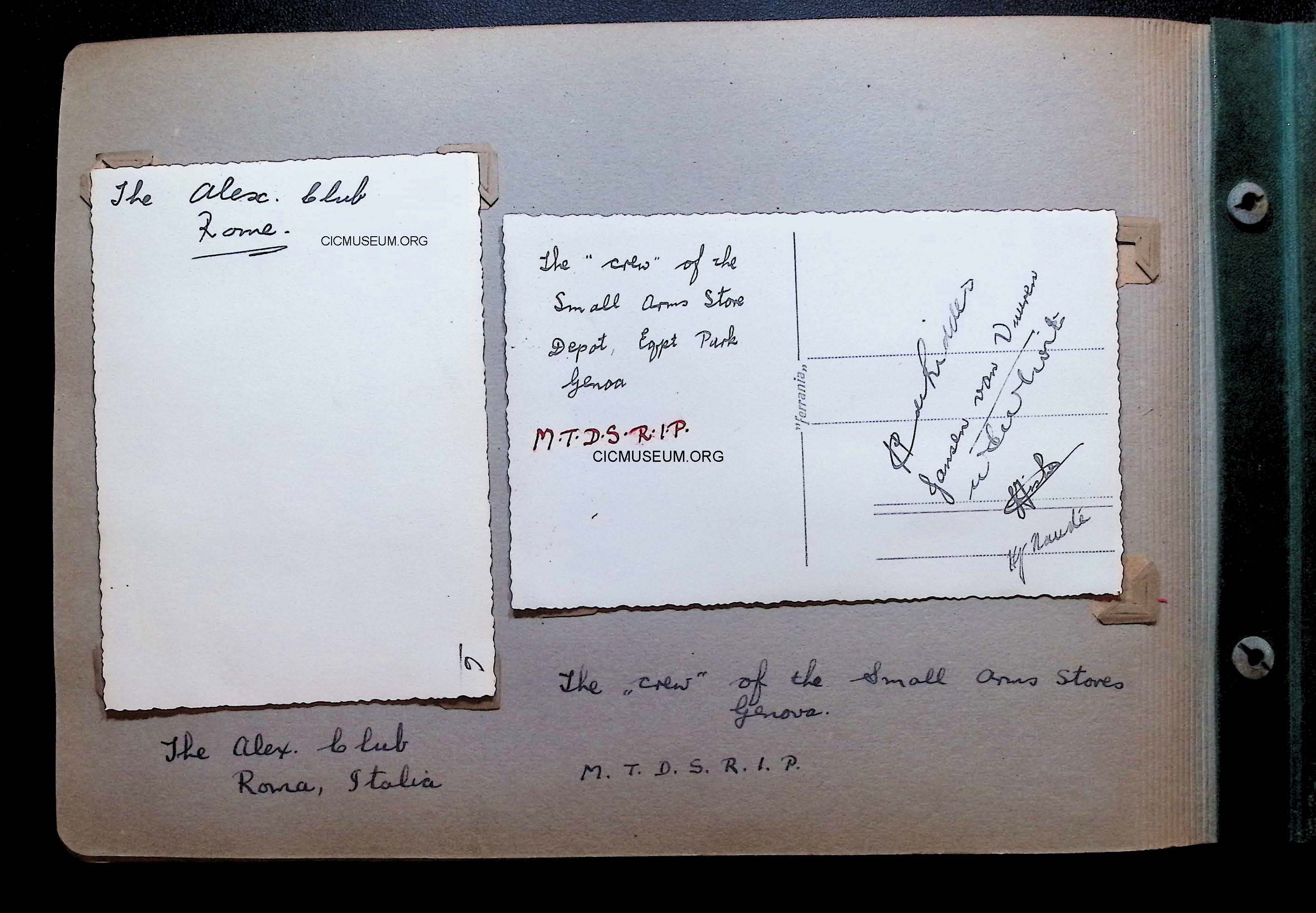
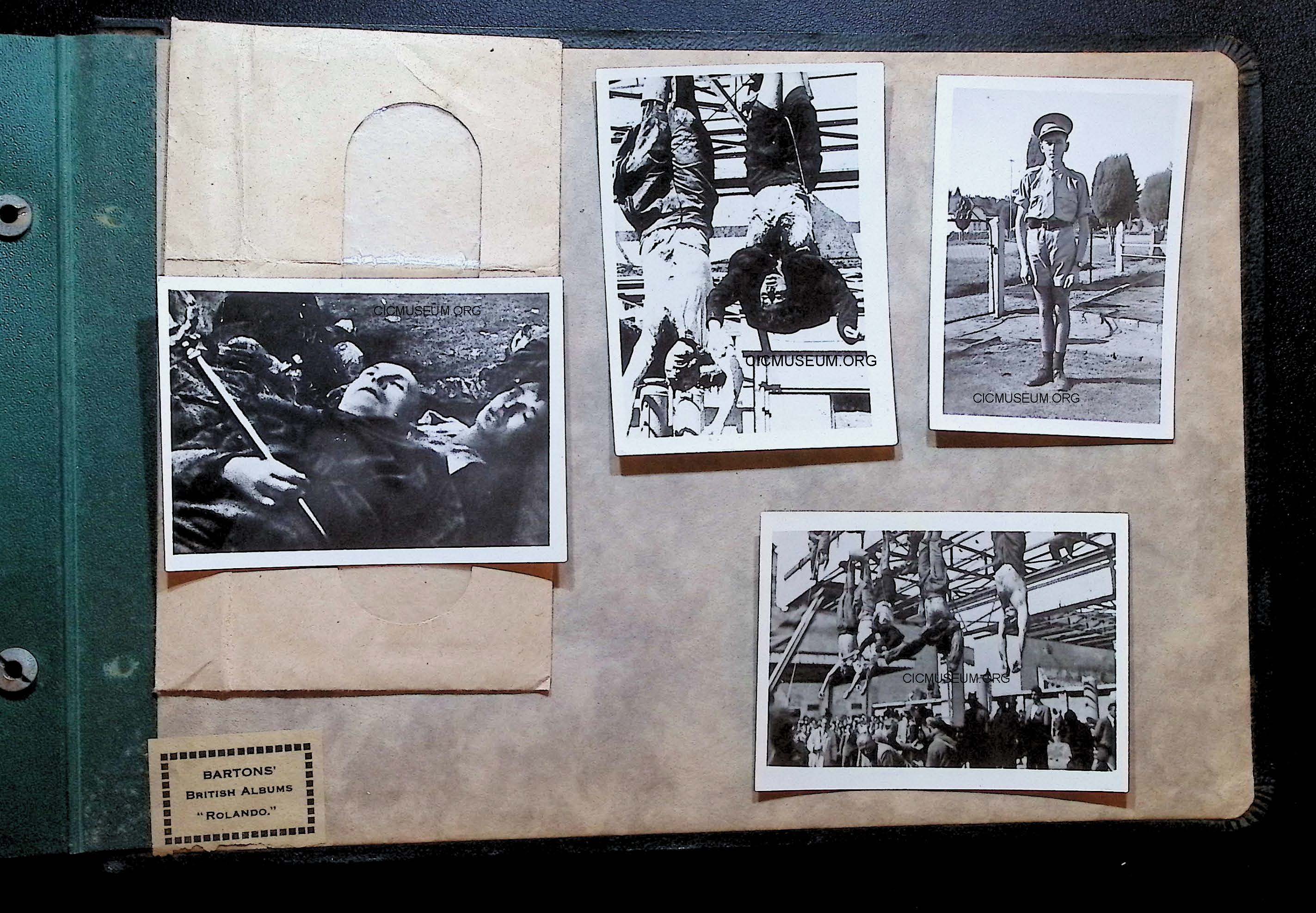
Cpl. Julius Fisher seems to have originally joined as part of the N.V.B. (National Volunteer Brigade), He was sent to Egypt for training before being sent to Italy. There are lots of photos with him and different Italian women and plenty of tourist photos of famous places in Genoa, Rome, and Venice. His shoulder device indicates he may have been part of Alpha Squadron. Post war he worked in a small arms store depot in Genoa that was likely a gathering point for captured enemy weapons. There is one photo of a dead German soldier who looks burned, and a wounded Italian soldier with severe lacerations on his left buttocks and leg. These two photos were actually removed from the album when I purchased it and were contained in a small envelope tucked in the back of the album along with photos of a dead Mussolini and a photo of a younger Julius in uniform. It's possible that the veteran removed these more graphic photos to when sharing the album with family, but kept them in the envelope.
Description
The Pretoria Regiment was formed on 1 July 1913 as the 12th Infantry Battalion (The Pretoria Regiment) – a unit of the Active Citizen Force – by the amalgamation of several units: the Pretoria Company of the Transvaal Scottish, the Central South African Railway Volunteers, the Northern Mounted Rifles and the Pretoria detachment of the Transvaal Cycle and Motor Corps. The Regiment began as an Infantry Bn and served the UDF in this capacity for 30 years from 1913 to 1943.In 1943, the PR converted to Armour at the RAC depots in Egypt - for the Italian Campaign, as part of the 6 SA Armoured Division - and has served the UDF, the SADF and the SANDF in both these capacities since then.
The Regiment founded in 1913 as The XIIth Infantry Battalion ( The Pretoria Regiment) in 1929 it was remanded 'The Pretoria Regiment (Princess Alice's Own) in 1936 the 1st Battalion Pretoria Regiment (Princess Alice's Own) as well as the 2nd Battalion Pretoria Regiment (Princess Alice's Own) in 1941 The Amalgamated Pretoria Regiment ( Princess Alice's Own) in 1946 1 Pretoria Regiment (Princess Alice's own) as well as the 2 Pretoria Regiment (Princess Alice's Own) in 1945 The Amalgamated Pretoria Regiment in 2019 the Regiment was renamed to The Pretoria Armour Regiment.
When War came the UDF was poorly prepared, having only begun re-armament in 1936 as a war with Germany seemed possible. On Parliament’s declaration of war after Germany’s invasion of Poland on 1 September 1939 the permanent Force was only 3353 and the ACF was 14631 Active Citizen Force soldiers, sailors and airmen.
Besides the trained manpower shortage, the UDF’s usual supplier of armaments, Britain, was unable to satisfy her own needs let alone the countries of the Commonwealth. South Africa had to look after herself. Fortunately under the leadership of Dr Hendrik van der Bijl, the famous South African electrical engineer and industrialist, within two years the country had develop her own war industries, making artillery, armoured cars, lorries, tires and all kinds of ammunition and optical gun-sights.
In 1940 fascist Italy entered the War on German side when Holland, Belgium and France surrendered and British and some French forces were evacuated to England in June 1940. Italy attacked Sudan and Kenya and in August 1940 advanced into British Somaliland from the Italian East Africa colonies of Ethiopia, Italian Somaliland and Eritrea – which was seen as the root of potential threats to South Africa. From 1940 the 1st SA Infantry Division fought in Somalia, took part in liberating Abyssinia (Ethiopia) and then in Lybia, together with the 2nd SA Infantry Division captured Bardia and the German Division Bardia of Panzer Gruppe Africa in January 1942. The 1st SA Infantry Division suffered heavy losses at Sidi Rezegh in operation Crusader 1941, but fought successfully at El Alamain in October 1942. However, the 2nd SA Infantry Division surrendered to Gen Erwin Rommel at Tobruk in June 1942, losing two brigades and a number of attached British and Indian soldiers, although some units escaped.
At first the PR’s war was dull. The 1st Battalion’s 364 volunteers were mobilized only on 23 July 1940, the day after the 2nd Battalion. The PR’s departure from Pretoria station was marked by tearful farewells. Families believed the soldiers would be sent into action immediately. However, many of the men were at home that night as their train had taken them only to Premier Mine. They were retrained and as a unit of the 3rd SA Infantry Division (witch never left the country) they began a period of garrison duties, guarding the eastern border since in Pretoria there was a belief that enemy troops might invade through Mozambique. Then they guarded interned German citizens and performed all duties that often make war monotonous. By October, 1940, the 2nd BN was still much under strength and was amalgamated with 1st PR which then was designated simply the Pretoria Regiment (Princess Alice’s Own).
Following the surprise attack by the Japanese on the US Navy at Pearl Harbour, Hawaii, on 7 December 1941, Japanese forces moved into the Indian Ocean early in 1942. To prevent a Japanese landing in Madagascar and perhaps on South Africa’s coast, British forces occupied the island. As a Battalion of the 7th SA Infantry Brigade, the Pretoria Regiment accompanied the British force. The Regiment took part in amphibious landings and some small engagements with the Vichy French garrison of Madagascar. Given the task of organizing the rear-guard if the Japanese landed. The CO, Lt Col CL Engelbrecht, DSO, realistically saw no chance of a rear-guard action. Instead he planned to turn the PR into a guerilla force to fight during a Japanese occupation. The Japanese did not invade and the Pretoria Regiment went home to prepare for its real war.
Converting from Infantry to Tanks the Pretoria Regiment was attached to the new 6th Armoured division and sent to Egypt for full-scale armour training including a divisional to armour exercise in the desert at Khatatba. They then sailed to Italy and were introduced to armour warfare north of Rome, at Bagnoregio, where the first Military Cross was earned by Lt Fred Davey. Eventually, 1200 strong, the PR consisted of five squadrons. One squadron was the reconnaissance-Assault Squadron. As the Reconnaissance Regiment of the 6th Armoured Division early in 1945 the PR needed Infantry for close support. The CO established a Recce Assault Squadron composed of three troops of seven tanks, one for each tank squadron, and a six-tank Mortar Support Troop. They were mounted in turretless Stuart tanks fitted with 2-inch mortars and .30-inch Browing machine-guns. The five infantrymen per tank were armed with Thompson and Sten sub-machine guns and grenades. The squadron made joint armour-infantry operations a reality.
The PR shared in liberating Italy from German occupation during 1944 and 1945, serving as infantry in the snow of the Winter line. At the War’s end Pretoria Regiment added to theatre honours of South West Africa 1914-1915 and Madagascar 1942 the honours of, Italy 1944-1945, Bagno Regio, Sarteano, La Foce, Florence, the Gothic line, Monte Caterelto and Po Valley. After fighting as the tank regiment of the 24th Guards Brigade for six months, the Pretoria Regiment was granted colours in the form of wings behind the PR headdress badge.
By 1945, 406.133 full-time volunteers had served in the Union Defence Force full-time or part-time- whites, the Indian and Malay corps (later called the Cape Corps) and Native Military Corps, the Woman’s Services, the SA Air Force and the SA Naval Forces of ninety-five armed trawlers and whale catchers as corvettes and mine sweepers in the South Atlantic and Mediterranean. The SA Air Force numbered 35 squadrons flying 82.401 operational missions in Abyssinia, the Western Desert, Tunisia, Italy, the Balkans and the Romanian oilfields and at sea. To supply the Polish uprising in Warsaw against the German occupation in August 1944, Liberator bombers flew 2500km from Italy in 41 missions. All, even Permanent Force personnel, were enrolled in the Active Citizen Force for the period of the war.
The Regiment founded in 1913 as The XIIth Infantry Battalion ( The Pretoria Regiment) in 1929 it was remanded 'The Pretoria Regiment (Princess Alice's Own) in 1936 the 1st Battalion Pretoria Regiment (Princess Alice's Own) as well as the 2nd Battalion Pretoria Regiment (Princess Alice's Own) in 1941 The Amalgamated Pretoria Regiment ( Princess Alice's Own) in 1946 1 Pretoria Regiment (Princess Alice's own) as well as the 2 Pretoria Regiment (Princess Alice's Own) in 1945 The Amalgamated Pretoria Regiment in 2019 the Regiment was renamed to The Pretoria Armour Regiment.
When War came the UDF was poorly prepared, having only begun re-armament in 1936 as a war with Germany seemed possible. On Parliament’s declaration of war after Germany’s invasion of Poland on 1 September 1939 the permanent Force was only 3353 and the ACF was 14631 Active Citizen Force soldiers, sailors and airmen.
Besides the trained manpower shortage, the UDF’s usual supplier of armaments, Britain, was unable to satisfy her own needs let alone the countries of the Commonwealth. South Africa had to look after herself. Fortunately under the leadership of Dr Hendrik van der Bijl, the famous South African electrical engineer and industrialist, within two years the country had develop her own war industries, making artillery, armoured cars, lorries, tires and all kinds of ammunition and optical gun-sights.
In 1940 fascist Italy entered the War on German side when Holland, Belgium and France surrendered and British and some French forces were evacuated to England in June 1940. Italy attacked Sudan and Kenya and in August 1940 advanced into British Somaliland from the Italian East Africa colonies of Ethiopia, Italian Somaliland and Eritrea – which was seen as the root of potential threats to South Africa. From 1940 the 1st SA Infantry Division fought in Somalia, took part in liberating Abyssinia (Ethiopia) and then in Lybia, together with the 2nd SA Infantry Division captured Bardia and the German Division Bardia of Panzer Gruppe Africa in January 1942. The 1st SA Infantry Division suffered heavy losses at Sidi Rezegh in operation Crusader 1941, but fought successfully at El Alamain in October 1942. However, the 2nd SA Infantry Division surrendered to Gen Erwin Rommel at Tobruk in June 1942, losing two brigades and a number of attached British and Indian soldiers, although some units escaped.
At first the PR’s war was dull. The 1st Battalion’s 364 volunteers were mobilized only on 23 July 1940, the day after the 2nd Battalion. The PR’s departure from Pretoria station was marked by tearful farewells. Families believed the soldiers would be sent into action immediately. However, many of the men were at home that night as their train had taken them only to Premier Mine. They were retrained and as a unit of the 3rd SA Infantry Division (witch never left the country) they began a period of garrison duties, guarding the eastern border since in Pretoria there was a belief that enemy troops might invade through Mozambique. Then they guarded interned German citizens and performed all duties that often make war monotonous. By October, 1940, the 2nd BN was still much under strength and was amalgamated with 1st PR which then was designated simply the Pretoria Regiment (Princess Alice’s Own).
Following the surprise attack by the Japanese on the US Navy at Pearl Harbour, Hawaii, on 7 December 1941, Japanese forces moved into the Indian Ocean early in 1942. To prevent a Japanese landing in Madagascar and perhaps on South Africa’s coast, British forces occupied the island. As a Battalion of the 7th SA Infantry Brigade, the Pretoria Regiment accompanied the British force. The Regiment took part in amphibious landings and some small engagements with the Vichy French garrison of Madagascar. Given the task of organizing the rear-guard if the Japanese landed. The CO, Lt Col CL Engelbrecht, DSO, realistically saw no chance of a rear-guard action. Instead he planned to turn the PR into a guerilla force to fight during a Japanese occupation. The Japanese did not invade and the Pretoria Regiment went home to prepare for its real war.
Converting from Infantry to Tanks the Pretoria Regiment was attached to the new 6th Armoured division and sent to Egypt for full-scale armour training including a divisional to armour exercise in the desert at Khatatba. They then sailed to Italy and were introduced to armour warfare north of Rome, at Bagnoregio, where the first Military Cross was earned by Lt Fred Davey. Eventually, 1200 strong, the PR consisted of five squadrons. One squadron was the reconnaissance-Assault Squadron. As the Reconnaissance Regiment of the 6th Armoured Division early in 1945 the PR needed Infantry for close support. The CO established a Recce Assault Squadron composed of three troops of seven tanks, one for each tank squadron, and a six-tank Mortar Support Troop. They were mounted in turretless Stuart tanks fitted with 2-inch mortars and .30-inch Browing machine-guns. The five infantrymen per tank were armed with Thompson and Sten sub-machine guns and grenades. The squadron made joint armour-infantry operations a reality.
The PR shared in liberating Italy from German occupation during 1944 and 1945, serving as infantry in the snow of the Winter line. At the War’s end Pretoria Regiment added to theatre honours of South West Africa 1914-1915 and Madagascar 1942 the honours of, Italy 1944-1945, Bagno Regio, Sarteano, La Foce, Florence, the Gothic line, Monte Caterelto and Po Valley. After fighting as the tank regiment of the 24th Guards Brigade for six months, the Pretoria Regiment was granted colours in the form of wings behind the PR headdress badge.
By 1945, 406.133 full-time volunteers had served in the Union Defence Force full-time or part-time- whites, the Indian and Malay corps (later called the Cape Corps) and Native Military Corps, the Woman’s Services, the SA Air Force and the SA Naval Forces of ninety-five armed trawlers and whale catchers as corvettes and mine sweepers in the South Atlantic and Mediterranean. The SA Air Force numbered 35 squadrons flying 82.401 operational missions in Abyssinia, the Western Desert, Tunisia, Italy, the Balkans and the Romanian oilfields and at sea. To supply the Polish uprising in Warsaw against the German occupation in August 1944, Liberator bombers flew 2500km from Italy in 41 missions. All, even Permanent Force personnel, were enrolled in the Active Citizen Force for the period of the war.
Source
Acquired from The War Store in Johannesburg, South Africa. Additional information pulled from Wikipedia.
Date
October 11, 1943 - July 27, 1946
Collection
Citation
“Pretoria Armour Regiment Photo Album of Cpl. Julius Fisher,” CIC Museum, accessed October 13, 2026, https://cicmuseum.org/items/show/77.